Skip to content
Dram Shop Laws in Arizona
Understanding dram shop laws in Arizona is critical for injured individuals, families pursuing wrongful death claims, and businesses involved in serving alcohol. These laws define when a liquor licensee may be held liable for injuries or property damage caused by an intoxicated person, including a drunk driver involved in a car accident or drunk driving accident.
Arizona’s dram shop framework places a strong public-safety duty on establishments that sell or serve spirituous liquor. Arizona law may allow injured parties to pursue a dram shop claim, depending on the specific facts, evidence, and statutory requirements.
This guide explains Arizona’s dram shop law, the evidence required, recent court rulings, and how these cases interact with auto-injury litigation.
Quick Summary of Arizona’s Dram Shop Laws
Arizona’s dram shop laws are governed primarily by A.R.S. § 4-311, which establishes when a liquor licensee may be held responsible for alcohol-related injuries.
Key points include:
- The alcohol must be sold by a licensed establishment, meaning the licensee sold spirituous liquor
- The patron must be obviously intoxicated or under the legal drinking age
- The service must be the proximate cause of injury or damage
- Dram shop actions must be filed within one year, shorter than most personal injury claims
- Social host liability is limited and generally applies only to serving minors
Covered establishments include bars, nightclubs, restaurants with a restaurant license, grocery stores, and other dram shops that sell alcohol for on- or off-premises consumption.
What Is a Dram Shop Claim?
A dram shop claim is a civil action brought against a business that sells or serves alcohol when that service contributes to injury, wrongful death, or property damage.
These claims are separate from criminal DUI charges. A drunk driver may face prosecution, but the injured party may also pursue a dram shop lawsuit against the business that served the alcohol.
Common defendants include:
- A bar owner
- A restaurant whose licensee operates alcohol service
- Convenience or grocery stores selling packaged alcohol
Educational resources from the Arizona State Bar Association explain that dram shop liability is a civil concept designed to promote public safety by regulating alcohol service, while also clarifying the narrow scope of social host liability under Arizona law. These resources help distinguish between criminal DUI enforcement and civil injury claims arising from alcohol service.
Arizona Dram Shop Law and Required Elements
Under Arizona law, a plaintiff must prove all statutory elements to successfully pursue a dram shop case.
Obvious Intoxication Standard
Arizona defines obvious intoxication as being inebriated to such an extent that a person’s physical faculties are substantially impaired, which would be apparent to a reasonable person.
Indicators include:
- Slurred speech
- Significantly uncoordinated physical action
- Significant physical dysfunction
- Behavior suggesting the person means inebriated
An obviously intoxicated patron is one whose impairment should be recognized during a reasonable period before service.
Proximate Cause Requirement
The spirituous liquor sold must be a proximate cause of the injury. This means the purchaser consumed alcohol at the establishment and that service contributed directly to the harm.
Alcohol consumed at other locations or locations unknown can complicate liability unless evidence shows the establishment’s service materially contributed to intoxication.
Underage Service
Liability also exists when an underage person is served. If a such underage person is provided alcohol and underage person incurs injuries or causes harm, the establishment may be liable.
Arizona recognizes a rebuttable presumption when an underage person consumed alcohol sold by a licensee.
Evidence and Proof in Arizona Dram Shop Cases
The Arizona Department of Liquor Licenses and Control oversees licensing, compliance audits, and enforcement actions involving alcohol service throughout the state. Records generated through restaurant audits, licensing files, and disciplinary proceedings can provide important evidence in dram shop litigation involving bars, restaurants, and other licensed establishments.
Strong evidence is critical in dram shop cases.
Common forms of proof include:
- Video surveillance from the bar or restaurant
- Point-of-sale transaction records
- Credit-card receipts showing timing and quantity
- Witness testimony from patrons
- Statements from staff who observed the intoxicated patron
- Records from any restaurant audit conducted pursuant to state regulation
Early investigation is essential because evidence may be overwritten or destroyed.
Arizona Supreme Court and Common Law Dram Shop Actions
Historically, Arizona recognized limited common law dram shop theories.
However, in Torres v. JAI Dining Services, the Arizona Supreme Court clarified the legal landscape.
On October 16, 2023, the court ruled that Arizona’s constitution does not protect common law dram shop actions. As a result, plaintiffs must rely exclusively on the statutory framework under A.R.S. § 4-311.
The court finds that the legislature intended statutory claims to control Arizona’s dram shop liability.
Effect of Torres on Statutory Dram Shop Claims
Legal analysis published by The National Law Review notes that the Arizona Supreme Court’s ruling in Torres significantly reshaped dram shop litigation by eliminating common law claims and reinforcing the statutory requirement that plaintiffs prove obvious intoxication. This clarification has increased the importance of surveillance footage, transaction records, and eyewitness testimony in dram shop cases.
After Torres:
- Plaintiffs must prove obviously intoxicated service under the statute
- Common law dram shop actions are preempted
- A patron reaching home safely does not automatically end liability if later harm is foreseeable
- Knowledge of previous acts or earlier drinking alone does not establish liability without visible intoxication at service
This ruling places a clear burden on plaintiffs but also provides predictability.
Statute of Limitations and Procedural Deadlines
Arizona imposes a one-year statute of limitations for dram shop claims.
This deadline applies to:
- Personal injuries
- Wrongful death pursuant to statute
- Property damage
If a public entity is involved, a 180-day notice may apply.
Prompt action allows attorneys to issue preservation letters, secure records, and protect information relevant to the claim.
Damages Available in Arizona Dram Shop Cases
Recoverable damages may include:
- Medical expenses
- Rehabilitation and future care
- Lost income
- Pain and suffering
- Wrongful death damages for surviving family members
Punitive damages may be available when conduct shows conscious disregard for safety, such as repeated serving intoxicated person behavior.
Common Defenses in Dram Shop Actions
Defendants often argue:
- The patron consumed alcohol at other locations
- An intervening or superseding cause broke the chain
- Comparative fault of the injured party
- The patron was not obviously intoxicated
- Identification was checked and appeared valid (requesting identification)
Each defense is fact-specific and often contested with expert testimony.
How Dram Shop Claims Interact With Car Accident Cases
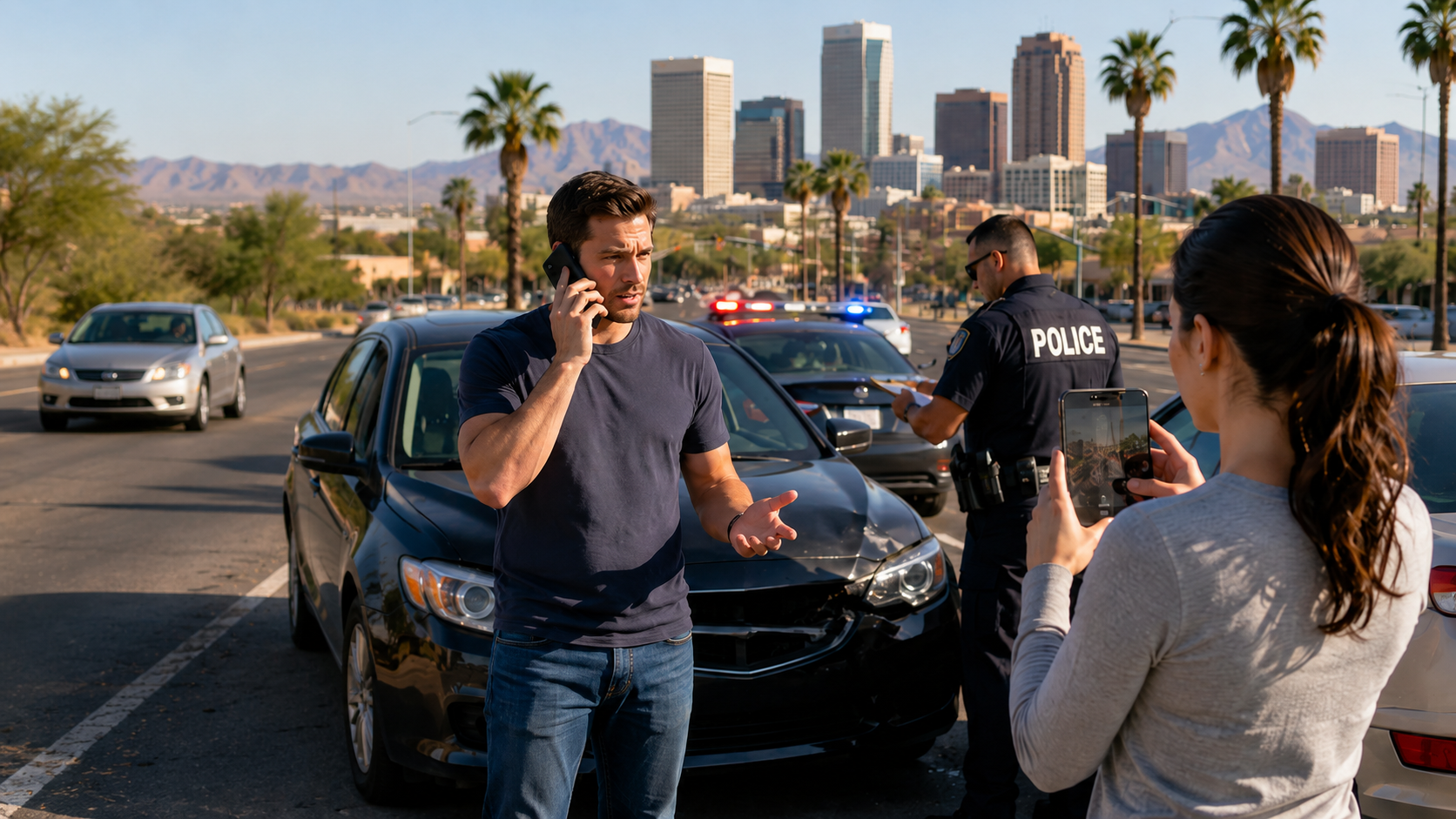
Many dram shop claims arise from a car accident involving an intoxicated individual.
DUI convictions are not required. The civil burden is lower than criminal proof.
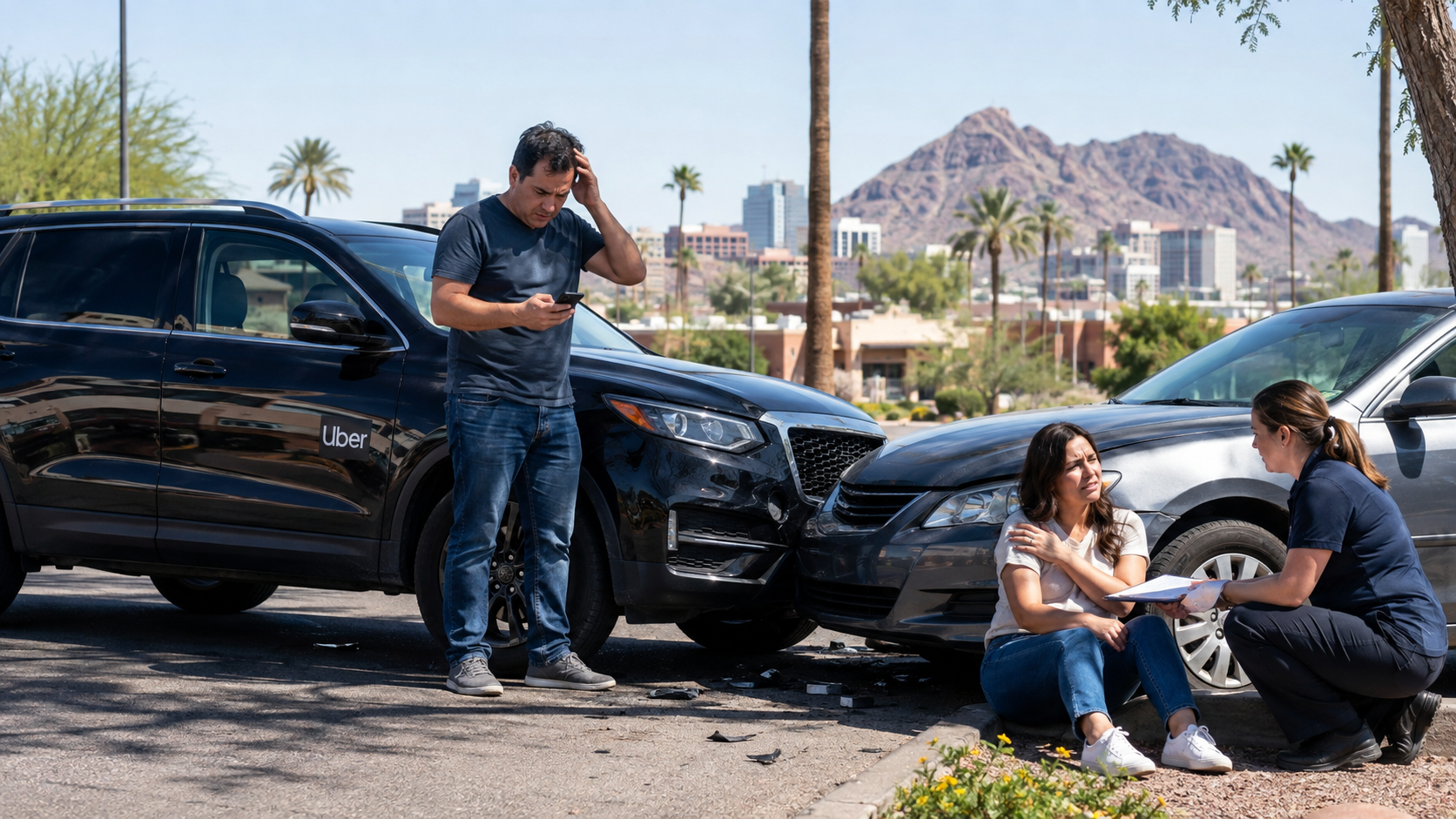
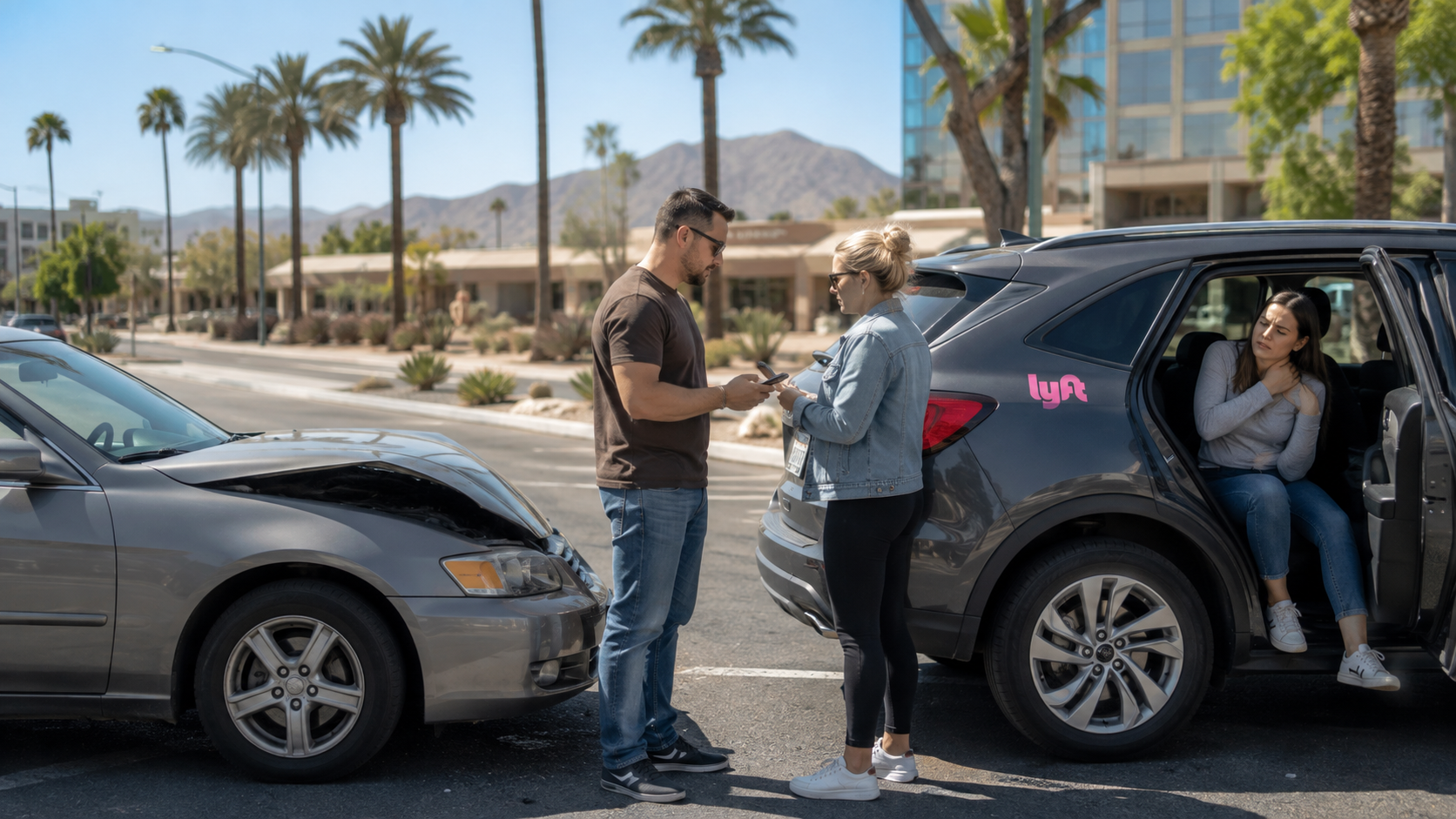
When a drunk driving accident involves a rideshare vehicle, dram shop liability issues may overlap with rideshare injury claims. Coordinating these legal theories early is critical, particularly when multiple insurance policies apply. Learn more about these cases through Harris Injury Law’s Phoenix Uber accident lawyer page.
Investigative Steps for Building Dram Shop Cases
Effective investigation may include:
- Immediate preservation letters to the establishment
- Subpoenas for POS data and restaurant audit files
- Interviews with staff and patrons
- Retaining toxicology and accident-reconstruction experts
- Evaluating liquor-liability insurance coverage
Dram Shop Cases and Precedent Examples
- Ontiveros v. Borak established early recognition of alcohol-service duties
- Patterson v. Thunder Pass addressed underage service issues
- Torres v. JAI Dining Services eliminated common law claims and confirmed statutory preemption
Insurance, Settlements, and Trial Strategy
Because of high exposure, most establishments carry liquor-liability insurance. Cases often involve policy-limit negotiations, expert reports, and, if necessary, trial preparation where a jury finds liability based on visible intoxication evidence.
Practical Checklist After an Alcohol-Related Crash
- Call 911 and seek medical care
- Photograph vehicles, scene, and injuries
- Collect witness contact details
- Preserve clothing and medical records
Choosing Counsel for Arizona Dram Shop Actions
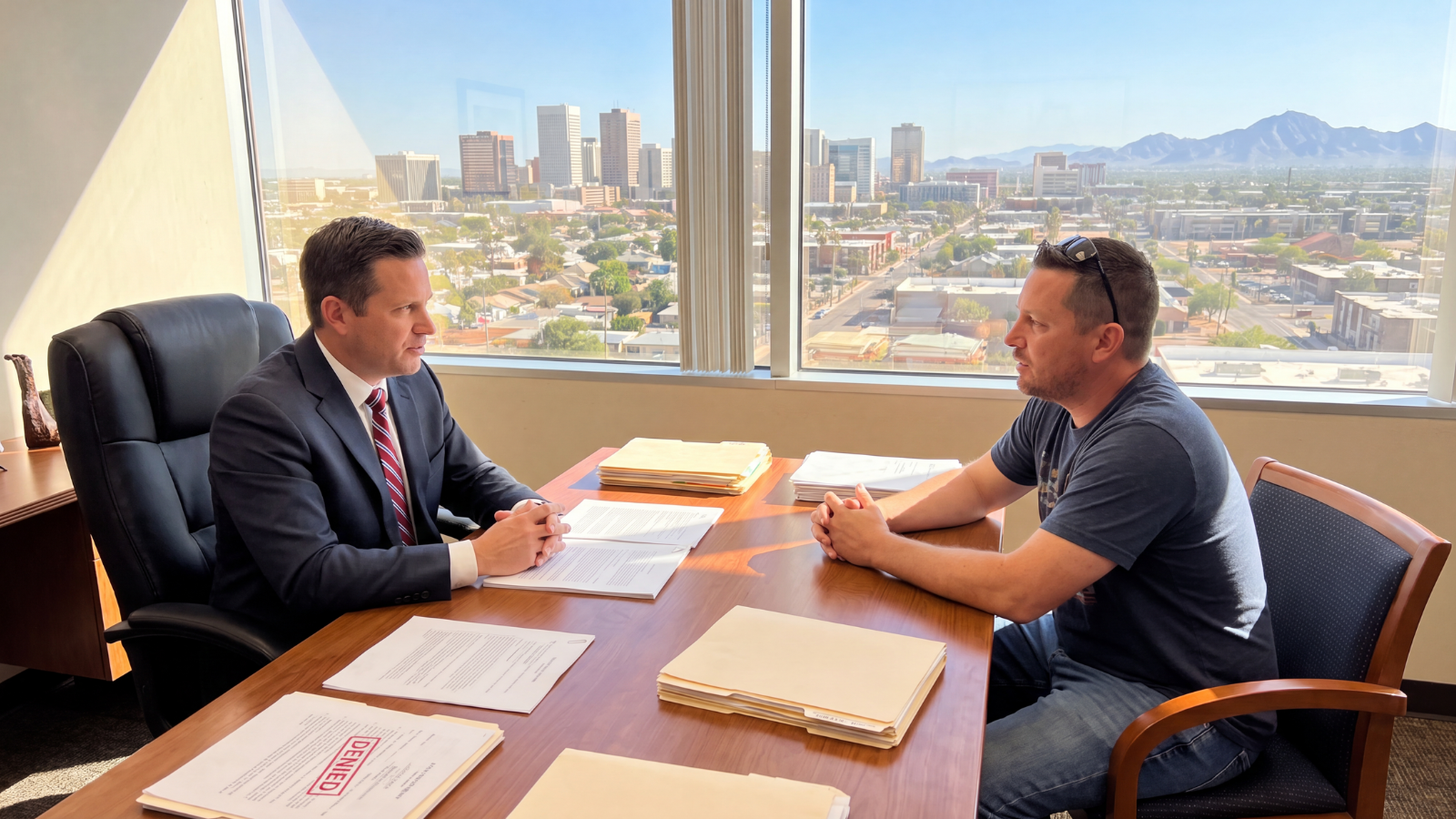
Dram shop litigation is complex and time-sensitive. Individuals benefit from attorneys experienced with Arizona dram shop law, evidence preservation, and multi-party injury cases.
Consulting counsel early helps protect rights, clarify options, and understand whether a viable dram shop lawsuit exists. We offer a free initial consultation. No attorney-client relationship is formed unless and until a written agreement is signed. Contact us today at (480) 800-4878.
This content is provided for general informational purposes only and does not constitute legal advice. Reading this page does not create an attorney-client relationship.