Skip to content
Auto Accident Attorney Phoenix: Fault & Liability Explained
Understanding Fault and Liability After a Phoenix Auto Accident
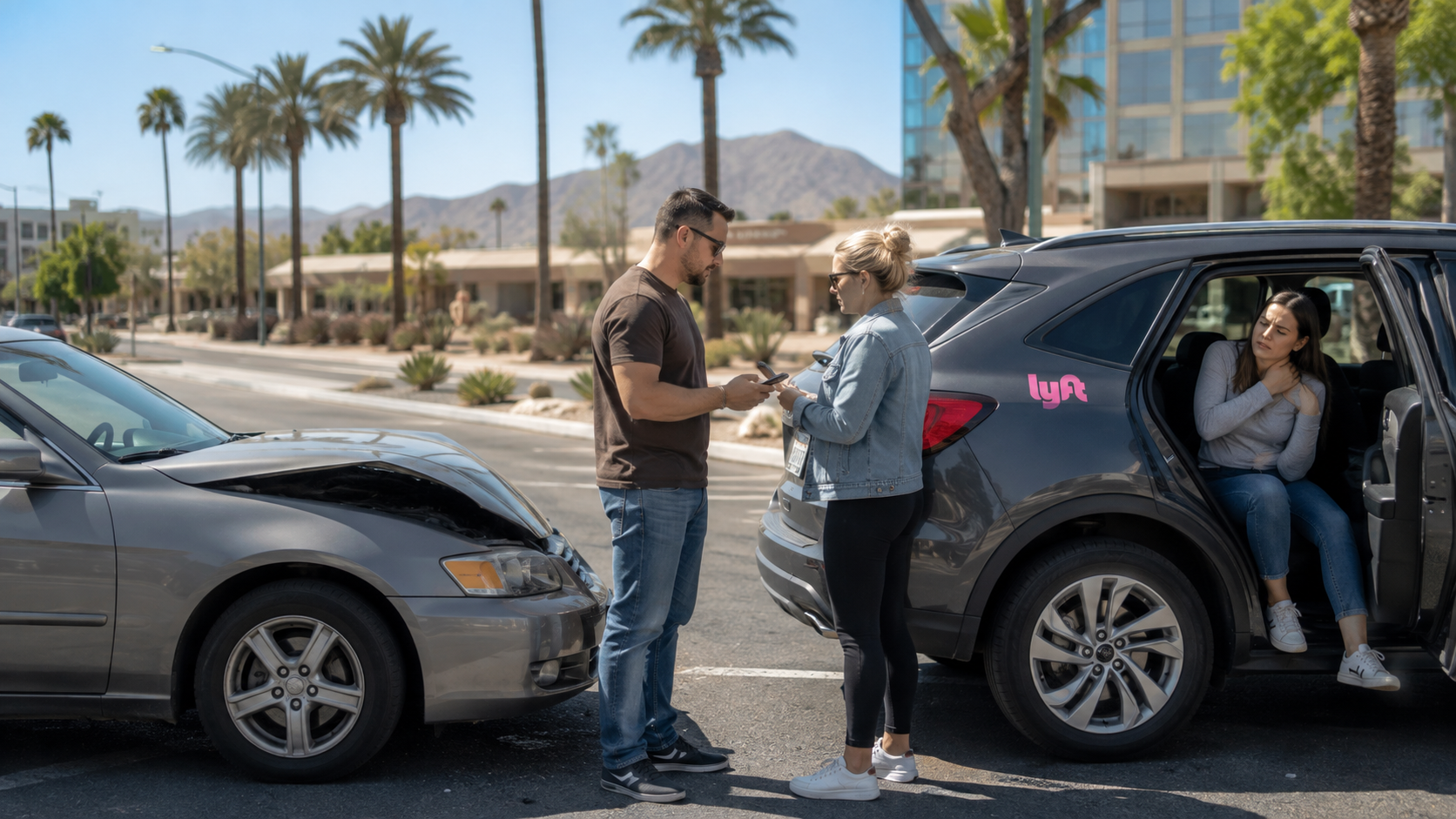
A car accident in Phoenix can change a person’s life in seconds. What begins as a routine commute through city streets or highways may quickly become a serious motor vehicle crash that results in injuries, vehicle damage, and complicated legal questions. For many accident victims, the most important question after a collision is simple: Who is responsible for paying for the damages?
In Arizona, determining fault and liability plays a central role in any car accident case. The state follows a fault based system, meaning the person who caused the crash is generally responsible for the losses suffered by others. These losses may include medical treatment, lost income, vehicle repairs, and other damages that arise after a crash.
Understanding how liability works under Arizona car accident laws is important because it directly affects a person’s ability to recover compensation. If responsibility for the crash is disputed or shared between drivers, the legal process may become complex. Insurance companies often examine every detail of the crash to determine how much they believe they should pay.
This guide explains how fault and liability are determined in a Phoenix auto accident, how Arizona’s pure comparative negligence rule affects recovery, and how legal representation may help individuals protect their rights after a serious collision.
Introduction to Phoenix Auto Accident Liability
Arizona Uses a Fault-Based System
Under Arizona law, car accident cases generally follow a fault-based approach. This means that the at fault driver or their insurer is responsible for covering damages caused by the crash.
In practical terms, a person injured in a motor vehicle accident may pursue compensation through:
- The at fault driver’s insurance
- Their own auto insurance
- A personal injury lawsuit if necessary
The Arizona Department of Transportation (ADOT) reports that more than 119,000 traffic crashes occur across the state each year, with Maricopa County accounting for the majority of collisions.
Why Fault Determination Matters
Fault is not simply about assigning blame. It determines:
- Who pays medical expenses
- Who covers property damage
- Whether accident victims can recover financial compensation
When liability is disputed, the outcome of a personal injury claim may depend on the quality of evidence collected after the crash.
Arizona’s Pure Comparative Negligence Rule
Shared Fault Does Not Prevent Recovery
Arizona follows a pure comparative negligence rule, which means accident victims may still recover damages even if they were partially responsible for the collision.
For example:
- Total damages: $100,000
- Victim’s fault: 20%
- Recoverable compensation: $80,000
The Arizona State Legislature, which outlines comparative negligence rules under Arizona Revised Statutes §12-2505, explains that compensation is reduced by the percentage of responsibility assigned to the injured party.
How Comparative Negligence Affects Compensation
In many Arizona car accidents, both drivers may share responsibility. Insurance companies frequently attempt to assign a higher percentage of fault to injured individuals to reduce payouts.
Because of this, proving liability becomes critical in any auto accident claim.
Why Legal Assistance Can Matter in Complex Cases
Navigating the Insurance Claims Process
After a car crash, victims often face pressure from insurance companies to resolve their claims quickly. Insurance adjusters may request recorded statements or ask detailed questions about the accident.
While this may seem routine, insurers are also evaluating how they can limit financial exposure.
A car accident attorney can help individuals navigate the claims process and work to protect their rights when dealing with insurers.
How Attorneys Support Accident Victims
Legal professionals can help by:
- Investigating the accident scene
- Collecting evidence
- Communicating with insurance adjusters
- Managing the legal process
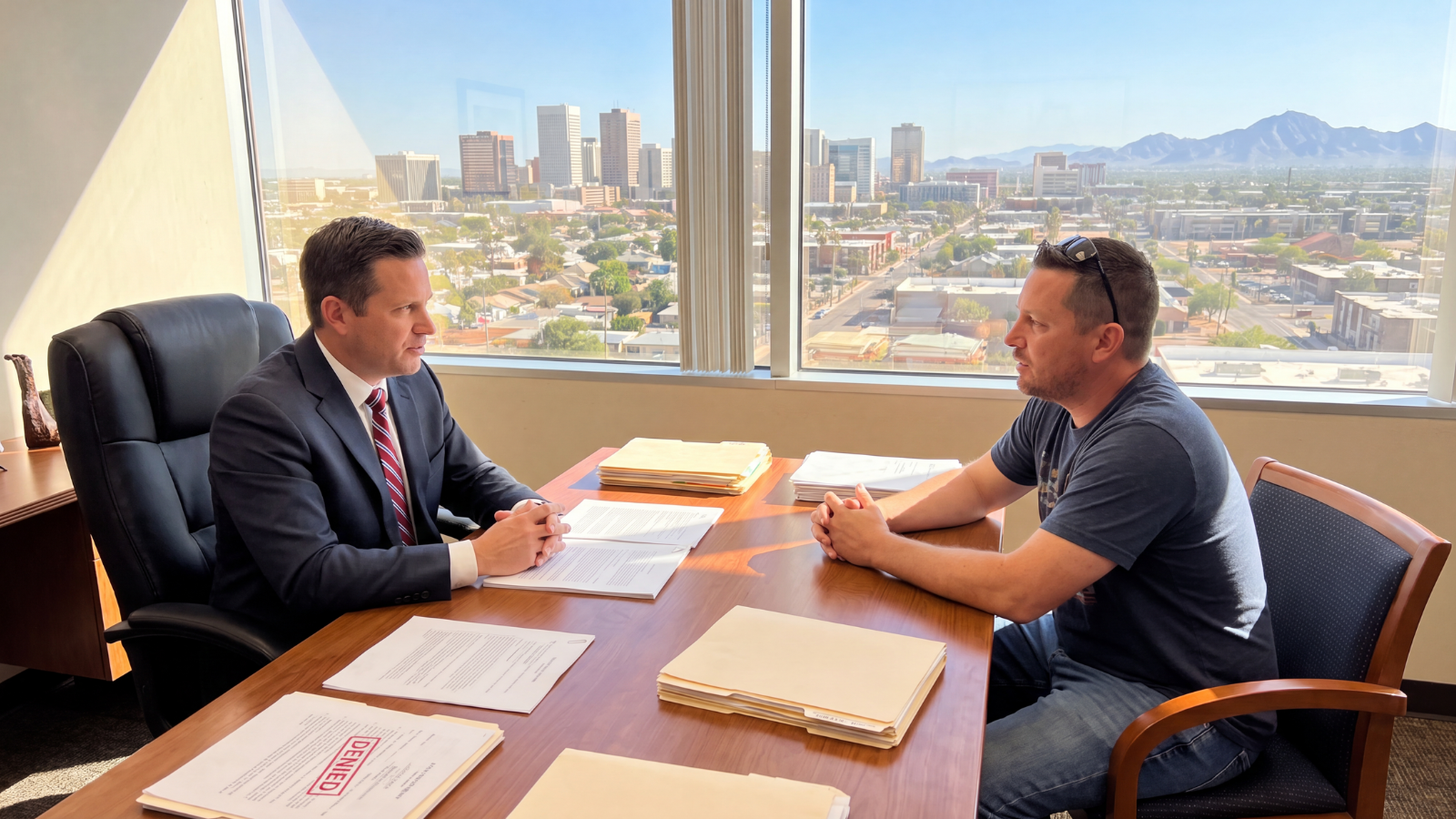
Working with a Phoenix auto accident attorney may help accident victims understand their legal options and pursue compensation available under the law.
Role of a Phoenix Car Accident Attorney
Investigating the Crash
A Phoenix car accident attorney often begins by reviewing evidence from the collision. This may include:
- Police reports
- Witness statements
- Vehicle damage analysis
- Medical records
Attorneys may also obtain traffic camera footage or surveillance video that helps establish how the collision occurred.
For individuals seeking legal assistance, a Phoenix auto accident attorney may evaluate liability, insurance coverage, and potential damages associated with the crash.
Communicating With Insurance Companies
One of the most challenging aspects of a car accident claim is dealing with insurers. Insurance adjusters are responsible for evaluating claims and determining how much compensation their company may pay.
Because adjusters analyze liability, injuries, and policy coverage, communications with insurers may affect the outcome of a case.
Building the Case for Liability
Attorneys may also gather evidence that investigators initially overlooked. This could include:
- Surveillance footage
- Accident reconstruction analysis
- Expert testimony
These tools help clarify how the crash occurred and may reduce attempts by insurers to assign unfair fault percentages.
Determining the At-Fault Party in a Phoenix Car Accident
The Importance of Police Reports
After a serious car accident, calling the police is often one of the most important steps.
Officers typically create an official accident report that documents:
- Driver statements
- Road conditions
- Visible damage
- Potential traffic violations
Insurance companies frequently rely on these police reports when evaluating car accident insurance claims.
Witness Statements and Physical Evidence
Independent witness statements can play a key role in determining fault. Neutral third-party observations often help clarify how the crash happened.
Physical evidence may include:
- Tire marks
- Vehicle damage patterns
- Debris location
These details help investigators reconstruct the sequence of events leading to the crash.
Traffic Cameras and Vehicle Data
Modern vehicles and city infrastructure often capture additional evidence.
Examples include:
- Traffic camera recordings
- Vehicle event data recorders
- Nearby surveillance cameras
These tools may help confirm whether a driver was speeding, running a red light, or making an unsafe lane change.
Common Causes of Phoenix Auto Accidents
Distracted Driving
Distracted driving is one of the leading causes of motor vehicle accidents in Phoenix.
Activities such as texting, adjusting navigation systems, or interacting with passengers can cause drivers to take their attention off the road.
The National Highway Traffic Safety Administration (NHTSA) reports that distraction is a major factor in thousands of crashes each year across the United States.
Speeding
Speeding is another significant factor in Arizona car accidents.
Driving above posted limits reduces reaction time and increases the severity of collisions.
According to the National Highway Traffic Safety Administration (NHTSA), higher vehicle speeds significantly increase the risk of fatal crashes.
Impaired Driving
Driving under the influence of alcohol or drugs remains a major contributor to serious crashes.
Impaired drivers may have reduced reaction time, poor coordination, and impaired judgment.
Aggressive Driving
Reckless behaviors can significantly increase the likelihood of a motor vehicle crash such as:
- Tailgating
- Unsafe lane changes
- Road rage
Weather Conditions in Phoenix
Although Phoenix is known for clear weather, sudden dust storms and monsoon rains can create dangerous driving conditions.
The National Weather Service warns that dust storms, also known as haboobs, can reduce visibility to near zero and contribute to multi-vehicle collisions.
Proving Liability in a Phoenix Car Accident Case
Elements of Negligence
To succeed in a personal injury lawsuit, four elements of negligence must typically be proven:
- Duty of care
- Breach of duty
- Causation
- Damages
Drivers have a legal obligation to operate vehicles safely. When they violate traffic laws or drive recklessly, they may breach that duty.
Evidence Used to Prove Fault
Evidence in a Phoenix car accident case may include:
- Police reports
- Medical records
- Vehicle damage analysis
- Expert reconstruction
Medical documentation helps connect the crash to specific injuries and treatment.
Expert Testimony
In complex cases involving multiple vehicles or disputed fault, accident reconstruction experts may analyze vehicle movement and impact forces.
This type of analysis can help clarify how the collision occurred.
Common Car Accident Injuries Affecting Compensation
Whiplash and Soft Tissue Injuries
Whiplash is one of the most frequently reported common car accident injuries.
Symptoms may include:
- Neck pain
- Limited mobility
- Headaches
These injuries sometimes require physical therapy and extended recovery.
Traumatic Brain Injuries
A traumatic brain injury may occur when the head experiences sudden impact during a crash.
These injuries can affect memory, concentration, and long-term cognitive function.
The Centers for Disease Control and Prevention (CDC) explains that traumatic brain injuries are a major cause of disability and death in the United States.
Spinal Cord Injuries
Spinal cord injuries may result in partial or complete paralysis.
Such injuries often involve significant medical treatment and long-term rehabilitation.
Fractures and Internal Injuries
Broken bones and internal organ injuries are also common in severe collisions.
These injuries frequently require surgery and lengthy recovery periods.
Recovering Compensation After a Phoenix Car Accident
Economic Damages
Economic damages represent measurable financial losses.
These may include:
- Medical bills
- Lost wages
- Rehabilitation costs
- Property damage
Accident victims often face significant medical expenses following a serious crash.
Non-Economic Damages
Non-economic damages compensate for intangible harms such as:
- Pain and suffering
- Emotional distress
- Loss of enjoyment of life
These damages recognize the broader impact of injuries on daily life.
Wrongful Death Claims
In the most tragic cases, a fatal collision may lead to a wrongful death claim.
Family members may pursue compensation for:
- Funeral expenses
- Lost financial support
- Loss of companionship
Uninsured and Underinsured Motorist Coverage
When the At-Fault Driver Lacks Insurance
Sometimes the at fault party lacks adequate insurance.
In such situations, accident victims may file claims through their own uninsured motorist coverage or underinsured motorist coverage.
These policies may help cover damages when the other driver does not have sufficient insurance coverage.
How UM/UIM Coverage Works
UM/UIM coverage may help pay for:
- Medical bills
- Lost wages
- Other damages
This coverage can provide an additional layer of financial protection.
The Statute of Limitations for Arizona Car Accident Claims
Filing Deadlines
Under Arizona law, individuals generally have two years from the date of the accident to file a personal injury lawsuit.
The Arizona Judicial Branch explains that missing the statute of limitations deadline may prevent victims from pursuing compensation through the courts.
Exceptions to the Deadline
Certain circumstances may affect the filing timeline.
Examples include:
- Claims involving minors
- Cases involving government entities
Because deadlines vary, accident victims may benefit from seeking legal guidance early.
Insurance Claims and Common Adjuster Tactics
How Insurance Companies Evaluate Claims
After a crash, insurers evaluate several factors when reviewing car accident insurance claims, including:
- Police reports
- Medical records
- Witness statements
- Vehicle damage
Adjusters use this information to determine liability and potential compensation.
Low Settlement Offers
Insurance companies sometimes make early settlement offers before the full extent of injuries becomes clear.
Accepting a settlement too early may prevent accident victims from seeking additional compensation later.
Protecting Your Claim
Organized documentation, medical treatment records, and legal representation can help strengthen a claim during negotiations.
When to Contact a Phoenix Auto Accident Attorney
Timing Matters
Contacting a personal injury attorney after a crash may help individuals understand deadlines and preserve evidence related to their claim.
What to Expect During a Consultation
During an initial consultation, attorneys may evaluate:
- Liability issues
- Available insurance coverage
- Potential damages
Many auto accident lawyers offer a free consultation to discuss legal options.
Practical Steps After a Car Accident in Phoenix
Seek Medical Attention Immediately
Even if injuries appear minor, seeking medical attention after a crash is important.
Some injuries may not present symptoms immediately.
Report the Accident
Contacting law enforcement ensures that an official accident report is created.
This document may play a key role in future injury claims.
Gather Evidence
Evidence from the accident scene may include:
- Photographs of vehicles
- Road conditions
- Visible injuries
Collecting contact information from witnesses can also help strengthen a claim.
Avoid Admitting Fault
Statements made at the scene may later be used in insurance investigations.
For this reason, drivers should avoid admitting fault immediately after a crash.
Frequently Asked Questions About Phoenix Car Accident Claims
What If I Was Partially at Fault?
Arizona’s comparative negligence system allows victims to recover compensation even if they share responsibility for the crash.
However, the final award is reduced according to the percentage of fault assigned.
Do I Need a Police Report?
A police report is not always required to file a claim, but it can strengthen the evidence supporting liability.
How Long Does a Case Take?
The timeline for resolving a car accident case depends on several factors, including:
- Injury severity
- Insurance disputes
- Whether litigation becomes necessary
What If the Other Driver Is Uninsured?
If the other driver’s insurance company cannot provide coverage, accident victims may pursue compensation through their own uninsured motorist coverage.
Why Legal Representation Can Make a Difference
Navigating a personal injury case after a serious crash can be overwhelming. Determining fault, collecting evidence, and negotiating with insurers often require significant time and legal knowledge.
An attorney can explain how Arizona law may apply and discuss available options for pursuing compensation.
Because liability disputes and insurance negotiations can affect the outcome of a claim, early legal guidance may help individuals protect their interests during the process.
Contact Harris Injury Law for Guidance After a Phoenix Auto Accident
If you were injured in a Phoenix auto accident, understanding your rights and options is an important step toward recovery.
The attorneys at Harris Injury Law represent individuals involved in motor vehicle accidents in Phoenix and surrounding communities. Our team works with accident victims to evaluate liability, investigate evidence, and pursue the compensation permitted under Arizona law.
If you would like to discuss your situation, you may contact Harris Injury Law for a free consultation to learn more about your legal options.
Harris Injury Law
1136 E Campbell Ave
Phoenix, AZ 85014
Phone: (480) 800-4878
Speaking with a Phoenix car accident attorney may help you better understand the legal process and determine the next steps following a serious collision.
Free consultation available. Please do not send confidential or sensitive information until we have confirmed there is no conflict of interest and you have received a written engagement agreement. Submitting information does not create an attorney-client relationship.