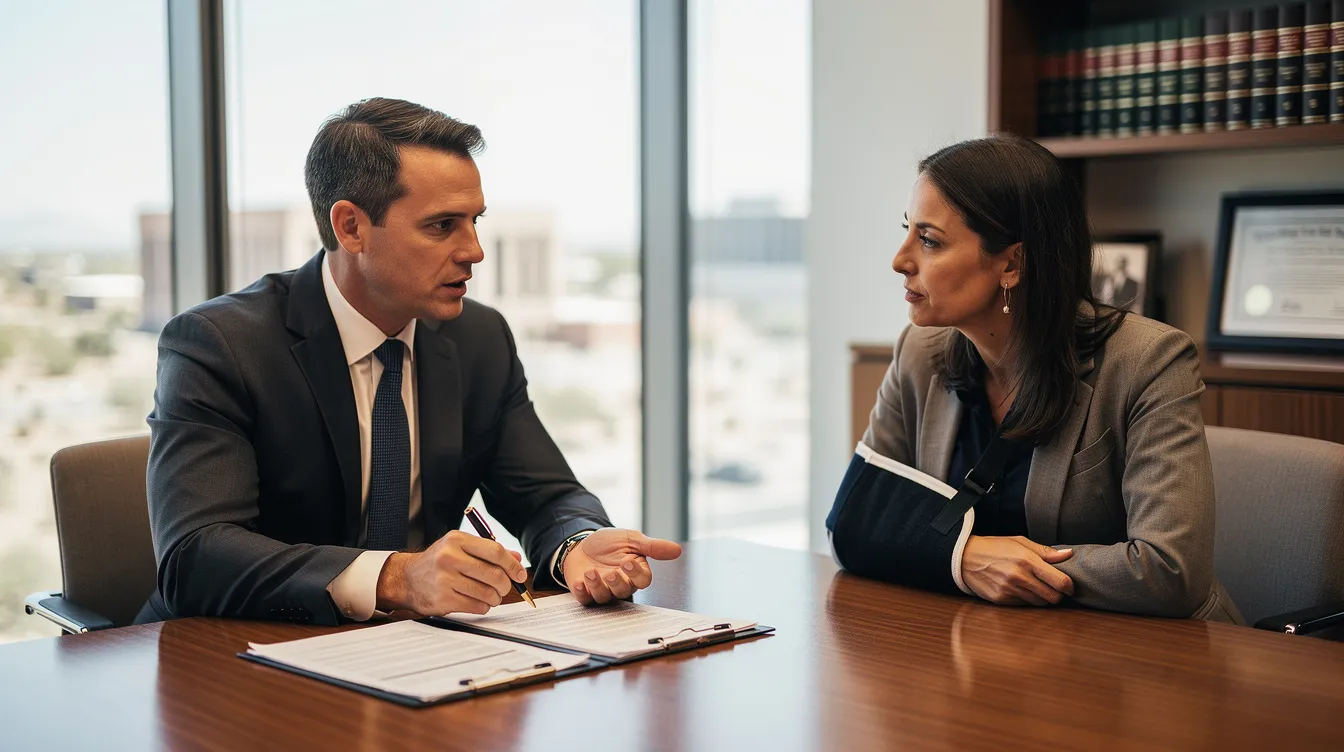
Injury Lawyers Phoenix: Steps to Take After an Injury
A Quick Roadmap for Protecting Your Health and Legal Rights
A personal injury accident can happen without warning. Whether it involves a car accident, truck accidents, a workplace injury, or another type of incident caused by another party’s negligence, the steps taken after an injury may affect your health and may preserve information that could be relevant if a personal injury claim is later evaluated.
In Phoenix, injury victims often face medical bills, property damage, lost income, and emotional trauma after an accident. These challenges can quickly become overwhelming. Understanding what to do in the hours, days, and weeks following an injury may help protect your health and preserve information that could be relevant to a potential claim under Arizona law.
This guide explains common steps people may consider after an injury, provides a general overview of how personal injury claims often work, and discusses situations where consulting a Phoenix personal injury lawyer may be helpful. Timing, documentation, and early legal advice may help clarify your legal options and preserve important evidence.
Why Timing and Documentation Matter After an Injury
Every Phoenix personal injury claim relies on evidence and documentation. Insurance companies often review accident reports, medical records, witness statements, and photographs to determine whether the party responsible is liable for the injured party’s damages.
If documentation is incomplete or delayed, insurers may dispute whether the accident caused the reported injuries. That may affect how a claim is evaluated.
Prompt action may help preserve evidence that could be relevant if a legal claim is later evaluated. Seeking medical attention and gathering information early may help document the timing of the incident and the reported injuries.
Ensure Immediate Safety After a Personal Injury Accident
The first priority after any personal injury accident is ensuring safety. Assess your surroundings and determine whether there are immediate hazards, such as traffic, fire risks, or unstable property conditions.
If serious injuries are present, call emergency services immediately. Moving to a safe location when possible can help prevent additional harm.
Emergency responders can evaluate severe injuries, including traumatic brain injuries, burn injuries, or other life-threatening conditions that require immediate care.
Seek Immediate Medical Attention
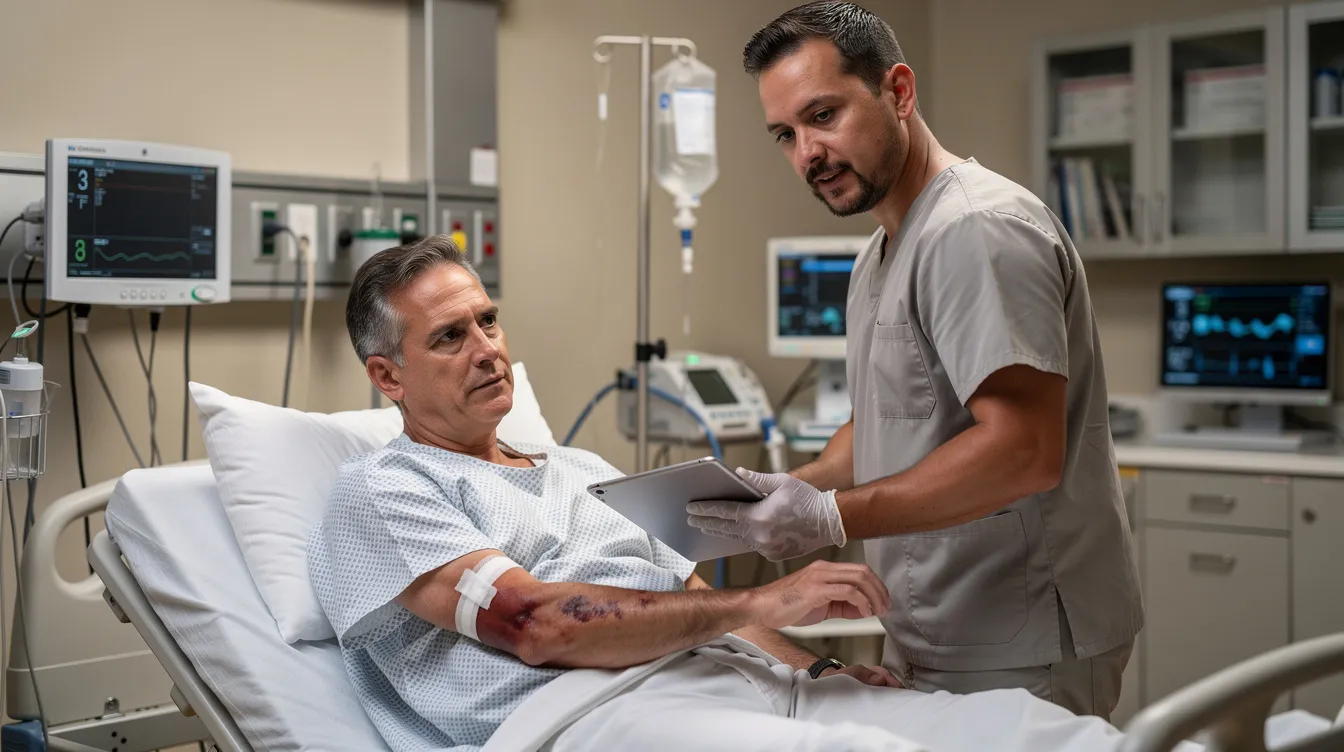
Seeking immediate medical attention is critical even if symptoms appear minor. Many injuries, including concussions and internal injuries, may not present obvious symptoms immediately after an accident.
Medical treatment creates a documented record of your condition. These records later become important evidence in an Arizona personal injury claim.
Hospitals, urgent care providers, and physicians document symptoms, diagnoses, and treatment recommendations. These medical records may help document the injuries reported after the accident and may be relevant when liability and damages are evaluated.
Preserve Emergency Records and Medical Documentation
Keep copies of all records related to your medical treatment after the accident. This includes hospital discharge paperwork, diagnostic imaging reports, prescriptions, and follow-up care instructions.
Medical records are among the most important legal documents in a personal injury case. They demonstrate the severity of injuries and document the care required to address them.
Maintaining organized documentation can also help quantify medical expenses and other damages that may be included in a legal claim.
Document the Incident Immediately
Photographs and written notes taken shortly after the accident can provide valuable evidence. If it is safe to do so, document the scene with photos that show the surrounding environment, hazards, and any visible injuries.
Time-stamped photographs help establish the conditions that existed at the time of the incident. These images may help document the conditions present at the time of the incident.
Documenting the scene is particularly important in cases involving slip and fall incidents, workplace accidents, or unsafe property conditions.
Gather Evidence at the Scene
Collecting evidence helps preserve information that may be relevant to a personal injury claim. This process may include taking photographs of vehicle damage, road conditions, warning signs, and other factors that may have contributed to the accident.
If the accident involves a vehicle collision, document skid marks, traffic signals, and road layouts.
Gathering evidence early may help clarify what occurred and provide information that could be considered when evaluating liability.
Collect Witness Statements
Witness statements often provide an independent account of the events leading up to an accident. If anyone saw the incident occur, ask for their contact information and a brief description of what they observed.
Witness statements can provide additional information about what happened and may be considered when fault is evaluated.
Having multiple sources of testimony may provide additional information that can be considered during the legal process.
Secure an Accident Report
In many incidents involving injuries or significant property damage, law enforcement will prepare an accident report.
These reports often include details about the incident, statements from involved parties, and the officer’s observations about potential violations of traffic laws.
You can request a copy of a crash report through the Arizona Department of Transportation or the responding law enforcement agency.
An accident report may provide information that is relevant when liability and a potential claim are evaluated.
Preserve Physical Evidence
Physical evidence may be important when the circumstances of the incident and issues of fault are evaluated. Damaged vehicles, defective products, or hazardous property conditions may all serve as evidence in a personal injury case.
Avoid repairing or disposing of damaged items until they have been documented. Photographs and inspection reports can help preserve evidence even if repairs later become necessary.
Preserving evidence early helps prevent disputes about the condition of property at the time of the accident.
Notify Insurance and Authorities
After receiving medical attention, notify the relevant insurance company about the incident. Provide basic factual information but avoid making statements about fault.
Insurance companies often request recorded statements shortly after an accident. Speaking with a personal injury attorney before providing detailed statements may help you better understand your options before responding.
Maintaining records of communications with insurers can create a clearer record of interactions during the claims process.
Be Careful When Communicating With Insurance Companies
An insurance company’s objective is to evaluate risk and manage financial exposure. As a result, adjusters may attempt to minimize the value of a claim.
They may request recorded statements or ask questions that suggest shared responsibility for the accident.
Avoid speculating about fault or the severity of injuries. Consulting a personal injury lawyer before detailed discussions with insurers can help ensure your statements are accurate and appropriately documented.
Keep Detailed Records of Communications
Keeping a record of communications helps track the claims process. Note the date, time, and content of every conversation with insurance representatives, medical providers, and investigators.
These records may later clarify misunderstandings or confirm statements made during negotiations.
Maintaining documentation of communications can help keep a clear record of interactions during the claims process.
Special Case: Steps After a Phoenix Car Accident
Car accident cases represent a significant portion of personal injury claims in Phoenix. The steps taken immediately after a collision can affect safety and may preserve information that could be relevant to a future claim.
Drivers should exchange identification, insurance information, and vehicle registration details.
Photographs of the accident scene, vehicle damage, and traffic signals can help reconstruct what occurred.
Seek Medical Evaluation After a Crash
Even low-speed collisions can cause serious injuries. Concussions, spinal injuries, and soft tissue damage may develop symptoms hours or days after the incident.
Seeking medical evaluation soon after a car accident may help document reported injuries promptly.
Early documentation of symptoms may help record when symptoms were reported after the crash.
Obtain Crash Report Details
Law enforcement officers typically provide a report number after investigating a collision.
This information allows you to obtain the full crash report later. The report may include witness statements, diagrams of the scene, and the officer’s observations.
Accident reports often contain information that may be reviewed during the claims process.
Determine Eligibility for a Personal Injury Claim
Not every accident automatically leads to a personal injury claim. To pursue compensation, the injured party must demonstrate that another party’s negligence caused the accident.
Arizona personal injury law generally requires proof of four elements: duty, breach, causation, and damages.
In other words, you must show that the party responsible had a legal duty to act safely and failed to meet that obligation.
Understanding Duty and Negligence
To file a personal injury claim in Arizona, the injured party must prove the legal obligation that the at-fault party owed to them.
Drivers have a duty to follow traffic laws and operate vehicles safely. Property owners must maintain reasonably safe conditions on their premises.
When that legal duty is breached and causes harm, it may establish negligence under Arizona law.
Arizona’s Statute of Limitations
Arizona law generally allows two years from the date of injury to file a personal injury lawsuit.
This deadline is known as the statute of limitations. Failing to file within this period may prevent an injured party from recovering damages.
Information about Arizona’s statutes can be found through the Arizona State Legislature.
Some exceptions apply, particularly in cases involving minors or government entities.
The Pure Comparative Negligence Rule
Arizona follows the pure comparative negligence rule. Under this rule, compensation is adjusted based on each party’s share of responsibility.
If an injured party is partially responsible for the accident, their recovery may be reduced proportionally.
Guidance about comparative fault principles can be reviewed through the American Bar Association, which explains how comparative negligence operates in many jurisdictions.
Contact Phoenix Personal Injury Lawyers
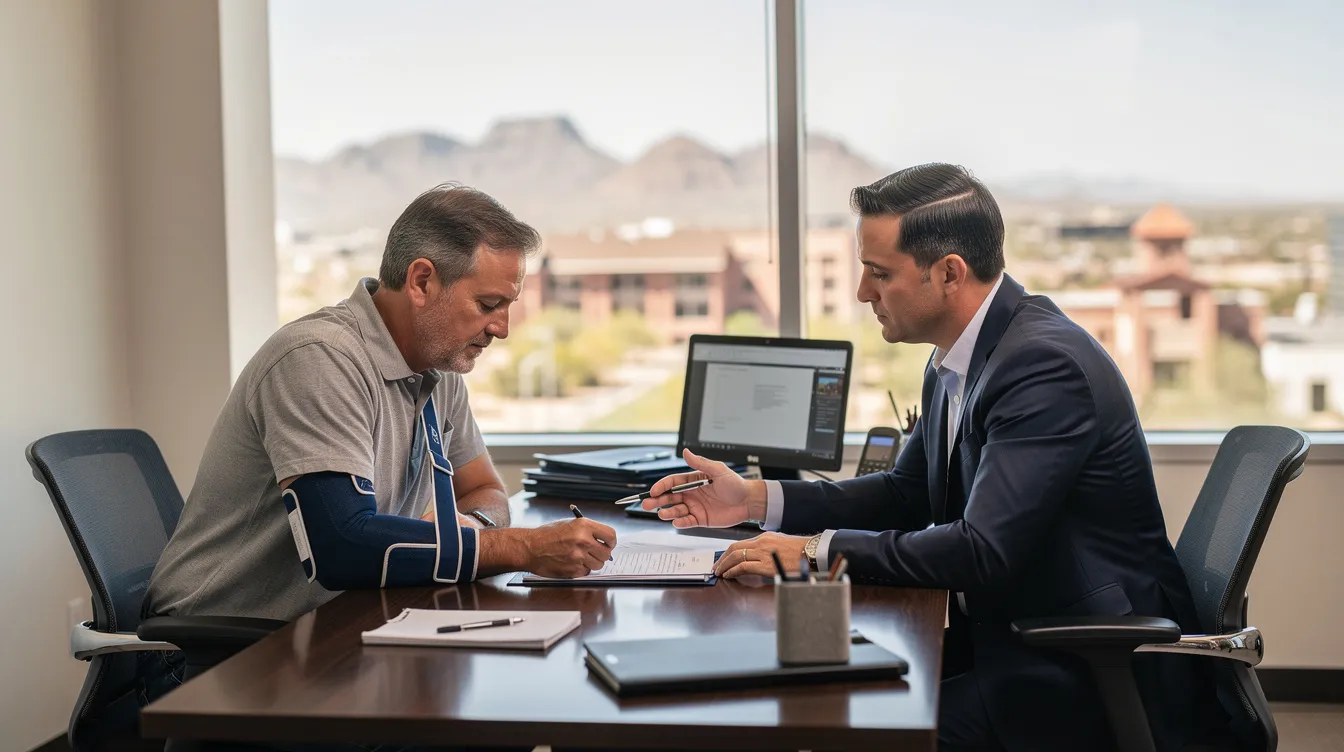
Consulting legal counsel early may help you better understand your rights and options after an accident.
A Phoenix personal injury attorney can review the facts of the incident and explain available legal options. Legal guidance may help injured victims understand whether they have a viable personal injury claim.
Choosing the Right Law Firm
When selecting a law firm, consider their experience handling similar cases. Personal injury cases may involve car accidents, truck accidents, motorcycle accidents, slip and fall incidents, dog bites, pedestrian accidents, or workplace injuries.
A personal injury lawyer can review the facts, discuss available legal options, and explain possible next steps for seeking compensation.
Reviewing a law firm’s background, client feedback, and publicly available information may help individuals learn more about attorneys who handle personal injury matters.
Understanding Contingency Fee Arrangements
Many personal injury law firms work on a contingency fee basis. Under this arrangement, clients typically do not pay upfront legal fees.
Instead, attorney fees are generally paid from the recovery if compensation is obtained, as outlined in the client’s agreement.
This structure may reduce financial barriers for injured victims seeking legal representation.
What a Phoenix Personal Injury Lawyer Does Early in a Case
Early legal involvement often includes reviewing available information, preserving evidence, and gathering documentation related to the incident.
Attorneys may obtain surveillance footage, request accident reports, interview witnesses, and gather medical records related to the incident.
These steps gather documentation that may be relevant when liability and damages are reviewed.
Coordinating Medical Documentation
A personal injury attorney often works closely with medical providers to obtain detailed documentation of injuries and treatment plans.
This information may provide documentation about the reported injuries and the costs associated with recovery.
Medical documentation may include hospital bills, treatment plans, diagnostic tests, and physician evaluations.
Preparing a Demand Package
Once evidence and documentation are gathered, attorneys may prepare a demand package outlining the legal claim.
This demand letter typically summarizes the incident, the injuries sustained, and the damages being claimed.
Supporting materials often include medical records, medical expenses, lost wages documentation, and witness statements.
The Personal Injury Claim Process
The personal injury claim process usually begins with submitting a demand to the insurance company representing the at-fault party.
Negotiations may follow as insurers evaluate the evidence and damages.
If the parties cannot reach a fair settlement, filing a personal injury lawsuit may become necessary.
Discovery and Evidence Exchange
If a lawsuit is filed, both sides participate in a discovery phase. During discovery, attorneys exchange legal documents, witness testimony, and expert reports.
Depositions may be taken to gather sworn testimony about the accident.
This stage helps clarify the facts before trial.
Settlement Negotiations
Most personal injury claims resolve through settlement rather than trial.
Settlement discussions may occur at various stages of the legal process, including mediation sessions facilitated by neutral third parties.
Preparing a case for trial often encourages more productive settlement negotiations.
Preparing for Possible Litigation
When settlement negotiations do not resolve a claim, attorneys may file a lawsuit in the appropriate court.
Litigation involves presenting evidence, examining witnesses, and arguing the case before a judge or jury.
A trial verdict may determine liability and the damages awarded.
Types of Damages in Personal Injury Cases
Personal injury compensation may include economic and non-economic damages.
Economic damages often include medical expenses, lost wages, rehabilitation costs, and property damage.
Non-economic damages may include pain and suffering, emotional distress, and loss of enjoyment of life.
Long-Term Impact of Serious Injuries
Serious injuries can have lasting consequences for victims and their families.
Traumatic brain injuries, severe burns, spinal injuries, and other catastrophic conditions may require ongoing medical care and rehabilitation.
Long-term medical expenses and reduced earning capacity may significantly affect an injured person’s financial stability.
Documenting Financial Losses
Accurate documentation helps demonstrate the financial burden caused by an accident.
Maintain records of medical bills, transportation costs, home care expenses, and lost income resulting from missed work.
These records may assist in documenting financial losses that could be considered as part of a personal injury claim.
Common Mistakes to Avoid After an Injury
Certain actions may create complications in a personal injury claim.
Admitting fault at the scene or signing insurance documents without legal advice can create complications later.
Delaying medical treatment may make it harder to document when symptoms were reported after the accident.
Avoid Posting About the Accident on Social Media
Insurance companies sometimes review social media activity during the claims process.
Posts about activities, travel, or physical activity may be used to question the severity of injuries.
Limiting public discussion of the accident may help avoid statements that could later be referenced during the claims process.
The Importance of Acting Quickly
Taking timely action after an accident may help preserve information and may assist with meeting applicable deadlines.
Consulting a personal injury attorney early in the process may help identify documentation that could be important to gather while it is still available.
Prompt legal guidance may help injured individuals better understand their rights under Arizona personal injury law.
Frequently Asked Questions About Personal Injury Claims
Many accident victims wonder whether they need legal representation after an injury.
While not every case requires litigation, legal advice can help clarify whether pursuing a claim is appropriate.
An attorney may also explain potential damages and the legal options available for seeking compensation.
Understanding Case Outcomes
The outcome of a personal injury case depends on multiple factors, including injury severity, liability evidence, and applicable laws.
Some cases resolve through negotiated settlements, while others may proceed to trial.
Legal representation may assist with presenting the case and addressing legal issues that arise.
Final Thoughts on Steps After an Injury in Phoenix
Recovering from an injury can involve medical treatment, financial stress, and uncertainty about the future.
Understanding the steps after an injury helps protect your health and your legal rights.
Documenting the incident, seeking medical attention, and consulting legal professionals early may help preserve information and clarify the legal process under Arizona law.
You may contact Harris Injury Law at (480) 800-4878 to request a consultation. Contacting the firm does not create an attorney-client relationship.