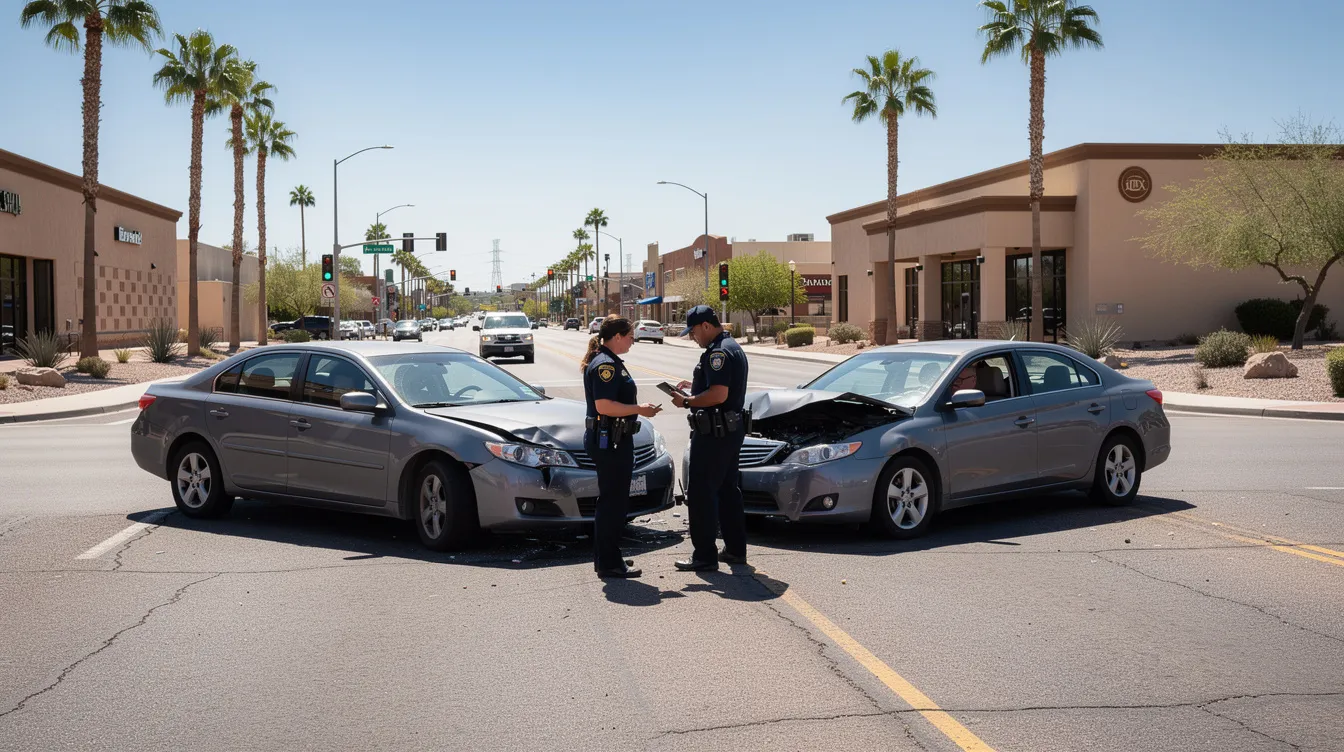
Personal Injury Protection in Arizona Explained
After a car accident, many Arizona drivers are surprised by how confusing insurance coverage can be. One of the most common sources of confusion is personal injury protection (PIP) in Arizona, especially for people who have heard of PIP insurance in other states. Questions often arise about whether Arizona drivers are required to carry it, what it covers, and how medical bills or lost wages are paid after an accident.
Understanding how personal injury protection works, and how Arizona’s system differs from no fault insurance states, can help accident victims make informed decisions. Consulting a personal injury attorney in Phoenix may help you better understand your coverage options and identify potential gaps after an accident.
Why Personal Injury Protection Causes Confusion in Arizona
Personal injury protection insurance, often called PIP insurance or personal injury protection PIP, is commonly associated with no fault insurance systems. In those states, drivers carry injury protection that helps pay medical expenses and other losses regardless of who caused the accident.
Arizona law, however, follows a fault-based system. That difference leads many people to assume PIP coverage applies automatically when it does not. As a result, accident victims may be unsure how medical bills, hospital stays, or other expenses are handled after a crash involving motor vehicles operated on Arizona roads.
Is Personal Injury Protection Required in Arizona?
Arizona does not require personal injury protection. In other words, Arizona does not require PIP coverage, and drivers are not mandated to carry injury protection PIP insurance as part of their auto insurance policy.
According to the Arizona Department of Transportation (ADOT), Arizona drivers must meet financial responsibility requirements through liability coverage, not no fault coverage. This means Arizona does not operate under a no fault system, even though some optional coverage options may resemble PIP in limited ways.
Because Arizona does not require personal injury protection, drivers rely on liability-based claims to recover compensation after an accident caused by an at fault driver.
How Arizona’s Fault-Based System Works
Under Arizona law, the driver responsible for causing the accident is typically liable for bodily injury and property damage. This includes bodily injury liability coverage, bodily injury liability coverage limits, and property damage liability.
If another driver caused the accident, their insurance company may be responsible for medical costs, lost income, and other damages. However, determining fault often requires a police report, investigation, and review of factors such as traffic violations, alcohol tests, and evidence from the scene.
The Arizona Revised Statutes outline these fault principles and how liability is assigned when motor vehicles are involved in a crash.
What Coverage May Still Apply Without PIP
Even though Arizona does not require personal injury protection, other forms of coverage may help pay expenses after an accident.
Medical Payments Coverage (MedPay)
Medical payments coverage, sometimes referred to as medical payments or MedPay, is an optional coverage under many auto insurance policies. Medical payments coverage helps pay medical expenses related to own injuries, regardless of who was at fault.
MedPay can help cover doctor visits, hospital bills, hospital stays, and other medical care, often up to a policy limit. It may also help with funeral expenses or funeral costs in the event of a fatal accident. Unlike PIP coverage in no fault states, MedPay does not usually cover lost wages or essential services like child care.
Health Insurance Coordination
Health insurance often plays a key role after an Arizona car accident. Health insurance may help pay for medical care, physical treatment, and hospital stays while a liability claim is pending.
However, coordination between health insurance, medical payments coverage, and liability coverage can be complex. Some insurance policies include reimbursement rights, meaning the health insurer may seek repayment from any injury settlement later.
The Arizona Department of Insurance and Financial Institutions provides guidance on insurance coordination and coverage limits for Arizona residents.
Liability and Underinsured Motorist Coverage
When the at fault driver does not have sufficient insurance coverage, underinsured motorist coverage or uninsured or underinsured driver protection may apply. This coverage can help pay medical expenses, lost wages, and other damages when the other driver’s policy limit is too low.
Underinsured motorist coverage can serve as a safety net when liability coverage is insufficient to address big medical bills, lost income, and long-term medical costs.
How a Personal Injury Attorney Helps After an Accident
Navigating multiple insurance policies can be overwhelming, especially after an accident involving injuries sustained in a car accident or Arizona car accident. A personal injury attorney can help in several important ways.
Reviewing Coverage Options
An attorney reviews all available insurance policies, including auto insurance, medical payments coverage, collision coverage, liability coverage, and optional coverage options. This review helps identify every potential source of compensation.
Understanding coverage limits and policy language can prevent missed opportunities to recover benefits that help pay medical expenses, hospital bills, or other expenses related to an accident.
Coordinating Benefits and Claims
Coordinating benefits between insurance company policies is often critical. This includes timing claims correctly, ensuring medical payments coverage is used appropriately, and avoiding unnecessary delays.
An experienced attorney understands how injury protection, bodily injury liability, and health insurance interact under Arizona law, which helps avoid mistakes that could reduce compensation.
Avoiding Missed Reimbursement Opportunities
Without guidance, accident victims may unknowingly waive benefits or fail to submit claims properly. A personal injury attorney helps ensure that medical bills, lost wages, and other recoverable costs are documented and submitted correctly.
This can be especially important when dealing with an underinsured driver, a driver responsible for serious injuries, or a claim involving property damage to other people’s property.
Case Example: Clarifying Coverage in a Multi-Policy Situation
Consider an Arizona driver involved in an accident caused by another driver who ran a red light. The injured person suffers bodily injury requiring hospital stays, doctor visits, and follow-up care. Medical bills quickly accumulate, and the injured party misses work, resulting in lost income.
The at fault driver carries minimal bodily injury liability coverage, which is not enough to cover all medical costs. The injured person also has medical payments coverage and underinsured motorist coverage under their own insurance policy.
By reviewing the insurance policy, coordinating claims, and applying the correct coverage options, benefits are used to help pay medical expenses, cover lost wages, and address other expenses while liability is resolved. This coordinated approach reduces financial strain during recovery.
Why Coverage Review Matters After Any Accident
Even though Arizona does not require personal injury protection, understanding injury protection options remains essential. Auto insurance policies often include optional coverage that can help pay medical bills, funeral expenses, or other losses after an accident.
Coverage review is especially important after serious accidents involving bodily injury, fatal accidents, or disputes over determining fault. The National Highway Traffic Safety Administration (NHTSA) highlights how injuries from traffic crashes can lead to long-term medical care and financial consequences.
If you have questions about insurance coverage, injury protection, or next steps after an accident, seeking legal help early can provide clarity. If you are seeking guidance about Arizona law, Harris Injury Law offers a free consultation with attorneys licensed to practice in Arizona.
Understanding how insurance works after an accident can help you make informed decisions and reduce confusion during recovery.