If you are searching for what to do after a rideshare accident in Phoenix, you may already be dealing with pain, confusion, insurance calls, app records, and uncertainty about who is responsible. A rideshare accident may involve an Uber or Lyft passenger, a rideshare driver, another motorist, a pedestrian, a bicyclist, or a third party injured by a rideshare vehicle.
The most important first steps are to protect your safety, seek medical attention, preserve evidence, and avoid rushing into insurance conversations before you understand the liability and insurance coverage issues. Rideshare crashes can be more complicated than a typical car accident because they may involve the driver’s personal insurance, the rideshare company’s insurance, another at fault driver, and multiple insurance policies.
Under Arizona Revised Statutes § 28-9551, a transportation network company uses a digital network or software application to connect passengers with transportation network company drivers. That definition matters because Arizona law treats rideshare services differently from ordinary personal driving, especially when determining insurance coverage after an accident in Phoenix.
Immediate Safety Steps After a Phoenix Rideshare Accident
Your first priority after a Phoenix rideshare accident is safety. Check yourself and others for injuries, call 911 if anyone is hurt, and move to a safer location if it is possible to do so without causing more danger. If vehicles are blocking traffic on I-10, Loop 101, Loop 202, near Downtown Phoenix, or around Phoenix Sky Harbor International Airport, stay alert for passing vehicles while waiting for emergency help.
Call 911 to report the accident immediately if there is bodily injury, significant vehicle damage, a suspected impaired driver, a hit-and-run, a pedestrian injury, or a dispute about what happened. A police response can create a police report number, document the accident scene, identify the drivers involved, and support later insurance claims.
If you are a rideshare passenger, do not assume the Uber or Lyft driver has already handled everything. Ask for the driver’s name, license plate, insurance information, and rideshare app status, then save your own version of the details. If you were in another vehicle, on foot, or riding a bicycle, collect the same information from the rideshare driver and any other drivers involved.
Medical Actions for Rideshare Accident Victims
Immediate medical evaluation is crucial after a rideshare accident. Some injuries are obvious right away, such as fractures, cuts, burns, and head trauma, but others may develop over hours or days. Neck injuries, back injuries, internal injuries, concussions, and traumatic brain injuries may not feel severe at first, especially when adrenaline is high.
Seek emergency medical attention immediately if you have head pain, dizziness, confusion, numbness, chest pain, abdominal pain, difficulty walking, or worsening symptoms. Even if you think your injuries are minor, a prompt medical evaluation can connect your symptoms to the rideshare crash and reduce arguments from insurance adjusters that you waited too long to get care.
Keep every medical record, bill, discharge instruction, prescription receipt, therapy note, and referral. Your medical bills, future medical expenses, lost wages, medical costs, therapy needs, and pain and suffering damages may become part of your personal injury claim. A careful treatment record can help show how the crash affected your health, work, family life, and daily routine.
Documenting the Crash Scene and Evidence
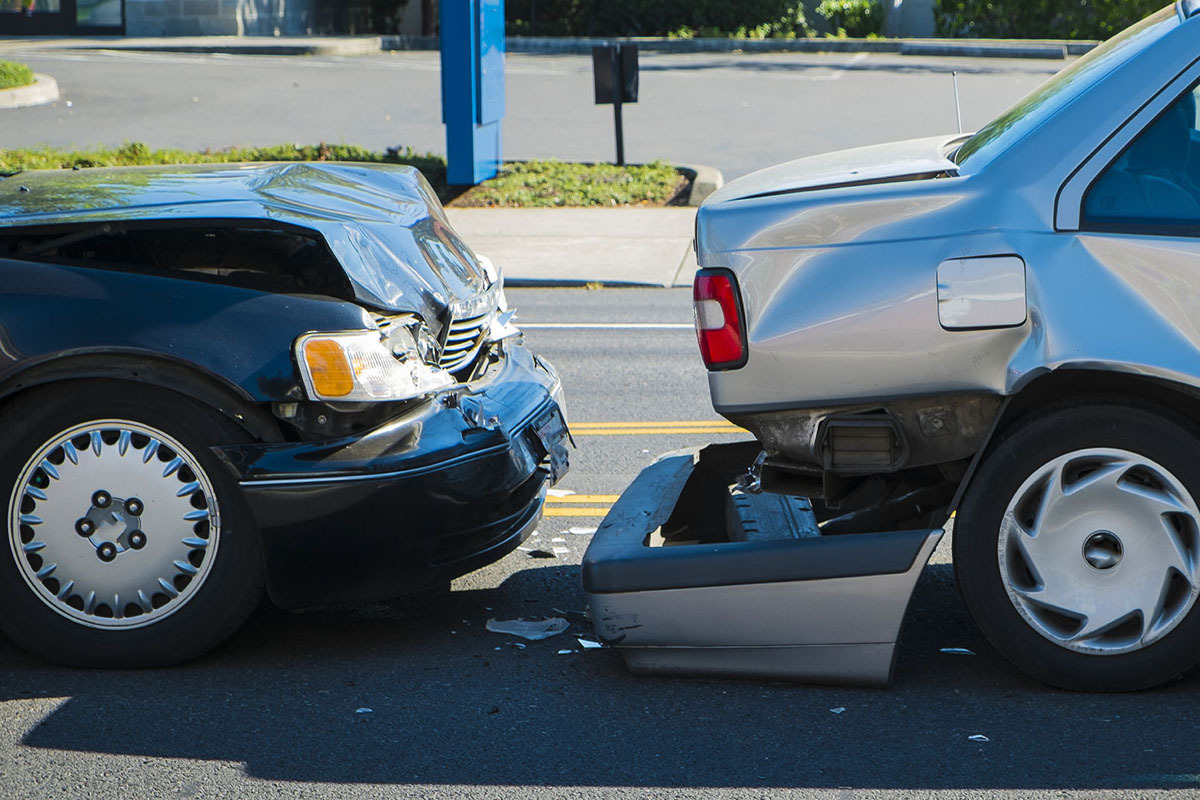
If you can safely do so, document the accident scene before vehicles are moved or debris is cleared. Take photos and videos of all vehicle damage, road conditions, skid marks, broken glass, deployed airbags, traffic signals, signs, lane markings, lighting, weather, rideshare vehicle position, and visible injuries.
Photographs of visible injuries and vehicle damage can support personal injury claims. They may help prove impact severity, show the point of contact, preserve road hazards, and document whether distracted driving, unsafe stopping, speeding, or an improper lane change may have contributed to the crash.
Collect witness names, phone numbers, and email addresses. Ask witnesses what they saw, especially if they noticed the rideshare driver looking at the phone, making an unexpected stop, circling for a pickup, speeding to complete a ride request, or failing to yield. Also ask for the police report number before leaving the scene because a police report is often essential for processing insurance claims after an accident.
Reporting to the Rideshare Company and Insurers
Report the crash through the rideshare app promptly. Uber and Lyft have in-app accident reporting tools, and the report can help connect the accident to the trip, the driver’s status, and the rideshare company’s insurance process. If you were a passenger, save the trip receipt before submitting your report.
You should also notify your own auto insurer if you were driving, if your vehicle was damaged, or if your personal policy may include uninsured or underinsured motorist coverage. This does not mean you should accept blame or guess about fault. Give basic facts, such as the date, time, location, vehicles involved, and whether police responded.
Avoid giving recorded statements to insurance companies without legal guidance. Insurance adjusters may sound helpful, but they are trained to ask questions that can affect liability, damages, and applicable coverage. Before discussing pain levels, medical history, driver’s status, or fault, consider speaking with an experienced rideshare accident attorney.
Preserving Digital Evidence and App Data
Preserving app data is crucial for establishing coverage after an accident. Take screenshots of your Uber or Lyft trip details, pickup and drop-off locations, driver name, license plate, vehicle description, route map, fare receipt, messages, estimated arrival times, and any cancellation or rerouting information.
Do not delete the rideshare app, text messages, call logs, photos, dashcam footage, voicemail messages, or emails related to the crash. Preserve phone and app logs intact because timing may matter. In many rideshare accident claims, the key dispute is not only who caused the collision, but what the driver was doing in the app at the moment of impact.
A Phoenix rideshare accident attorney can help request trip records from rideshare companies, including log-on and log-off times, ride acceptance time, GPS data, route data, passenger receipts, driver communications, and insurance coverage information. Under Arizona Revised Statutes § 28-4038, transportation network companies and insurers must cooperate in claims coverage investigations involving driver log-on and log-off times and policy information.
Determining Which Insurance Applies After an Accident in Phoenix
Determining liability starts with the driver’s status in the rideshare app. Coverage varies based on whether the app was off, the driver was logged in and waiting for a ride request, the driver had accepted a ride, or the passenger was already inside the rideshare vehicle.
If the app is off, the rideshare company’s insurance usually does not apply. In that situation, the driver’s personal insurance or personal auto insurance may be the starting point, just like in a standard car accident. Arizona’s general minimum auto liability limits are $25,000 for bodily injury or death of one person, $50,000 for two or more people, and $15,000 for property damage, as reflected by Arizona Revised Statutes § 28-4009.
If the app is on and the rideshare driver is waiting for a ride request, Arizona law requires primary motor vehicle liability insurance coverage of at least $25,000 per person, $50,000 per accident, and $20,000 for property damage for that logged-in waiting period. This is limited liability coverage compared with the higher coverage that may apply once the driver is actively providing transportation network services.
If the driver has accepted a ride request, is en route, or is transporting a passenger, applicable coverage may increase. Uber and Lyft provide up to $1 million in liability coverage during certain active ride periods, and Arizona law requires higher commercial coverage when transportation network services are being provided, including a $1 million minimum per incident when a passenger occupies the vehicle. The Insurance Information Institute explains that rideshare coverage is commonly analyzed in periods based on whether the driver is logged in, matched with a passenger, or carrying the passenger.
If the Rideshare Driver Caused the Crash
If the rideshare driver caused the crash, document the evidence that points to fault. This may include sudden braking, unsafe turns, speeding, weaving, failure to yield, distracted driving, unsafe pickup or drop-off behavior, illegal stopping, fatigue, or confusion caused by lack of familiarity with local roads.
Rideshare drivers often face high-pressure driving conditions, including navigating the app, accepting ride requests, watching pickup timers, following GPS, dealing with passenger messages, and driving in unfamiliar areas. Distracted driving is a common cause of rideshare accidents, and NHTSA reports that distracted driving killed thousands of people nationwide in recent years, according to the National Highway Traffic Safety Administration.
Fatigue can also increase accident risks for rideshare drivers who work long hours or drive late at night. NHTSA has also recognized drowsy driving as a traffic safety issue, and its drowsy driving guidance explains that fatigue-related crashes are difficult to measure and may be underreported. If you noticed the driver yawning, missing turns, drifting lanes, or appearing exhausted, write that down while your memory is fresh.
Handling Cases Involving Multiple Parties
Rideshare accident claims often involve multiple parties and insurers. A single Lyft crash or Phoenix Uber accident may involve the rideshare driver, another driver, the passenger, a pedestrian, a vehicle owner, the rideshare company’s insurance, the at fault insurance company, your own UM/UIM carrier, or even public or private transit carriers where a Phoenix bus accident lawyer may be needed.
List every driver, vehicle, insurance carrier, policy number, license plate, and contact person. Document third-party vehicle damage separately so each impact can be evaluated. This is especially important in chain-reaction crashes, airport pickup collisions, rideshare crashes involving unsafe stops, and accidents involving pedestrians or bicyclists.
Arizona law uses comparative fault principles, which means fault may be divided among multiple parties. Determining liability may require reviewing police reports, witness statements, app data, vehicle damage, medical records, phone records, traffic camera footage, and expert analysis. A rideshare accident lawyer can help identify each available insurance policy and pursue compensation from the proper source.
Common Injuries and Emotional Distress After a Car Accident
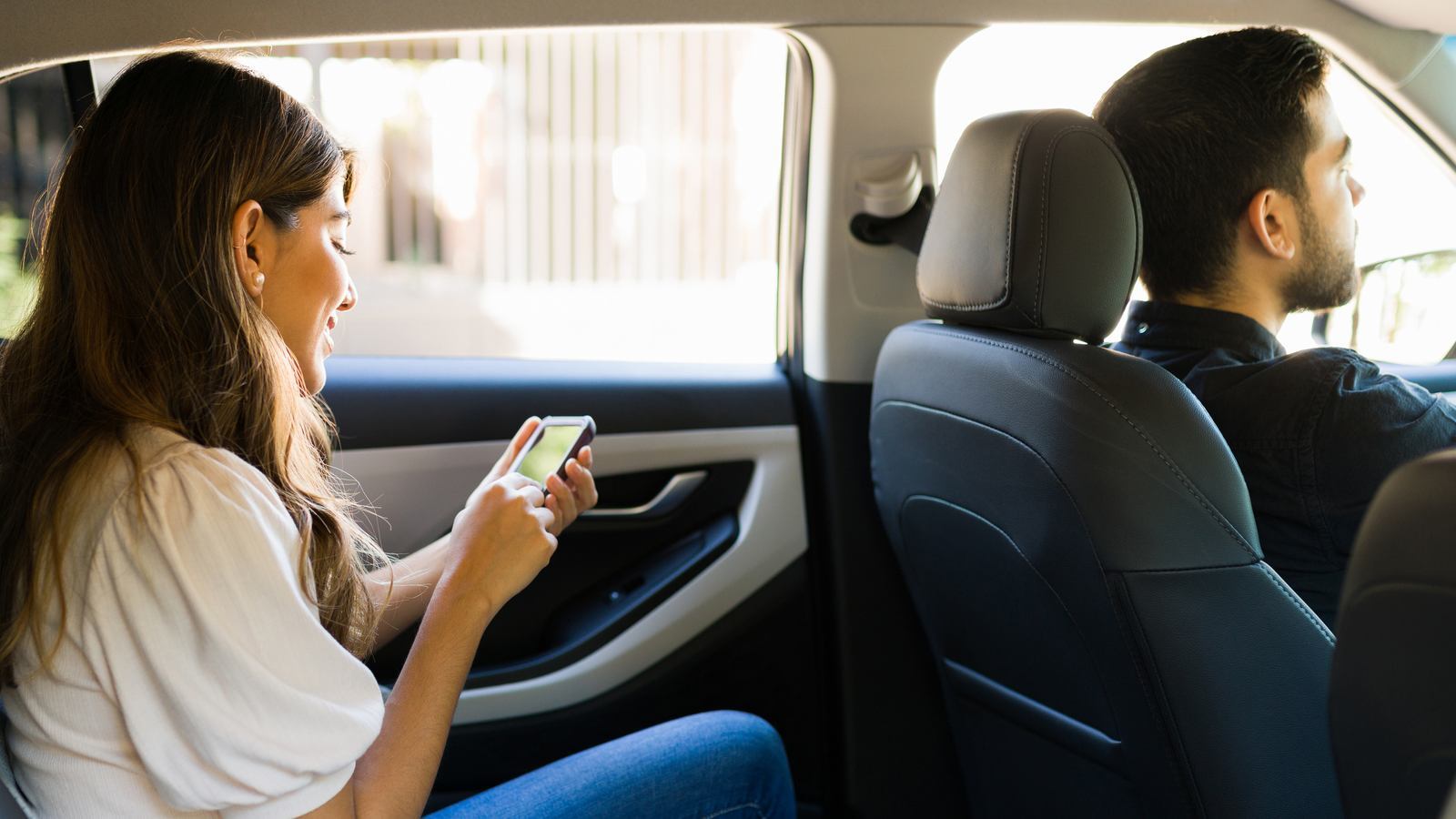
Rideshare accident victims may suffer whiplash, spinal injuries, broken bones, shoulder injuries, knee injuries, facial injuries, soft tissue injuries, internal injuries, burns, scarring, and traumatic brain injuries. Passengers may be especially vulnerable because they may be seated in the back seat, looking down at a phone, or not braced for impact, and riders on two wheels often need support from a Phoenix motorcycle accident lawyer when crashes involve motorcycles.
Track physical symptoms daily. Write down pain levels, headaches, sleep disruption, dizziness, mobility limits, missed work, medication side effects, and activities you can no longer do comfortably. These details can help connect your injuries to the rideshare accident case and show the full impact of the crash beyond medical bills alone.
Emotional distress may also be part of a personal injury claim. Anxiety in vehicles, panic near intersections, sleep problems, nightmares, fear of using rideshare services, and stress from medical appointments may affect your recovery. If you need counseling or therapy, keep records of those appointments and discuss symptoms with your medical provider.
When To Contact Rideshare Accident Attorneys or a Law Firm
You should contact rideshare accident attorneys promptly if you were injured, transported by ambulance, contacted by insurance adjusters, blamed for the crash, asked for a recorded statement, or offered a settlement. Early legal guidance may help protect evidence before app records, surveillance footage, and witness memories become harder to obtain.
An experienced rideshare accident attorney can review your role in the crash, identify applicable coverage, evaluate whether multiple insurance policies apply, and help you avoid signing settlement releases before your medical condition is understood. This is especially important when there are serious injuries, disputed driver’s status, uninsured drivers, or multiple parties.
Bring medical records, medical bills, photos, witness contacts, the police report number, rideshare receipts, app screenshots, insurance letters, repair estimates, and wage loss documents to your consultation. Harris Injury Law offers a free consultation for injured people who want to understand their legal options after a rideshare accident in Phoenix.
What Your Phoenix Uber Accident Lawyer Will Do
A Phoenix Uber accident lawyer or Phoenix Uber accident attorney can preserve evidence, communicate with insurers, review app records, evaluate coverage, and prepare your claim for negotiation or litigation if necessary. The goal is not to promise maximum compensation, but to pursue fair compensation under Arizona law based on the evidence, insurance coverage, and damages.
Your lawyer can request app data, trip records, driver history, vehicle information, policy documents, and available surveillance footage. Your attorney can also determine whether the rideshare company’s insurance, the driver’s personal insurance, your own UM/UIM coverage, collision coverage, comprehensive and collision coverage, or third party liability coverage may apply.
A Phoenix Lyft accident lawyer or Lyft accident attorney can also handle communications with Lyft, Uber, insurance companies, medical billing offices, and defense representatives. That support can reduce the risk of inconsistent statements and help ensure your rideshare accident claim accounts for medical expenses, lost wages, pain and suffering, property damage, and future treatment needs.
Choosing a Rideshare Accident Lawyer in Phoenix
When comparing rideshare accident lawyers for your situation, look for experience with rideshare accident cases, local Phoenix practice, complex insurance claims, multi-party collisions, serious injury documentation, and trial readiness. Do not choose a law firm based only on ads or broad promises.
Review the lawyer’s background, relevant experience, and any testimonials or prior results, keeping in mind that every case is different and past results do not guarantee or predict a similar outcome. You may also want to compare whether the attorney understands independent contractors, rideshare app data, coverage periods, third-party claims, and the differences between an ordinary car accident and an uber or lyft accident.
Harris Injury Law represents injured people in Phoenix personal injury matters, including car accident and workers’ compensation cases.
Negotiation, Settlement, and Litigation Strategy
Insurance claims in rideshare cases often involve delay, coverage disputes, low valuations, and finger-pointing between insurers. Your attorney can negotiate firmly to pursue fair compensation, evaluate whether a fair settlement offer accounts for all damages, and advise whether litigation may be necessary.
Settlement evaluation should include past medical expenses, future medical care, lost wages, reduced earning capacity, pain and suffering, emotional distress, property damage, out-of-pocket costs, and the long-term impact of the injuries. A fair settlement should be based on documented damages and available coverage, not pressure from an insurance adjuster to close the file quickly.
In Arizona, most personal injury lawsuits must be filed within two years under Arizona Revised Statutes § 12-542. Some cases may involve shorter notice requirements, especially if a government vehicle, airport authority issue, roadway defect, or public entity is involved. Speaking with an attorney early can help you understand which deadlines may apply to your personal injury claim.
Special Situations: Airport, Pedestrian, Driver, and Product Claims
Airport-related rideshare accidents can involve confusing pickup zones, traffic congestion, sudden lane changes, pedestrian crossings, and commercial traffic. If the crash happened near Phoenix Sky Harbor International Airport, report the incident to appropriate authorities, save location details, and document whether the rideshare driver was picking up, dropping off, waiting, or circling.
Pedestrian and bicyclist claims may involve different evidence. If you were hit by a rideshare vehicle in a crosswalk, bike lane, parking lot, or pickup area, photos of sightlines, traffic signals, lane markings, and driver position can be critical. Passengers can file claims against the rideshare driver or other at-fault drivers, while pedestrians and third parties may need to prove how the rideshare driver caused the crash, and many injured pedestrians benefit from working with a dedicated Phoenix pedestrian accident lawyer.
Some cases may also require third party liability coverage or manufacturer liability investigations. If defective brakes, tires, airbags, vehicle maintenance, or a rental vehicle issue contributed to the crash, your attorney may investigate whether a vehicle owner, maintenance provider, rental company, or manufacturer shares responsibility.
How Harris Injury Law Helps Phoenix Rideshare Accident Victims
Harris Injury Law helps rideshare accident victims understand legal options, preserve evidence, evaluate liability, and pursue compensation permitted by Arizona law. Led by Jason A. Harris, the firm handles personal injury and workers’ compensation matters, including cases that may involve overlapping legal issues and substantial claimed damages.
Jason Harris’s background in both personal injury and workers’ compensation can be useful when a rideshare crash involves a working driver, delivery activity, employment-related travel, or third-party liability, including collisions involving app-based delivery services where a Phoenix DoorDash accident lawyer may be necessary. You can learn more about the firm’s approach and attorney background through Harris Injury Law’s attorney profile. Any examples of prior matters are provided for informational purposes only; every case is different, and past results do not guarantee a similar outcome.
The firm emphasizes direct communication, client-centered guidance, and practical support throughout the legal process. You may contact Harris Injury Law after hours, and the firm aims to respond as soon as possible. That accessibility can matter when evidence needs to be preserved quickly after a Phoenix rideshare accident.
Frequently Asked Next Steps for Rideshare Accident Victims
What should I do first after a rideshare accident in Phoenix? Call 911 if anyone is injured, move to safety if possible, seek medical attention, document the accident scene, collect information from all drivers involved, and report the crash through the rideshare app.
Which insurance applies after an Uber or Lyft accident? Insurance coverage depends on the driver’s status in the app. If the app was off, the driver’s personal insurance usually applies. If the driver was logged in and waiting for a ride request, limited liability coverage may apply. If the driver accepted a ride or had a passenger in the vehicle, Uber or Lyft commercial coverage may apply.
Can I recover compensation as a passenger? Yes, passengers may be able to recover compensation for medical expenses, lost wages, pain and suffering, and other damages if a rideshare driver, another driver, or multiple parties caused the crash. Applicable coverage depends on fault, app status, and insurance policies.
What if another driver caused the rideshare crash? If another driver was the at fault driver, you may start with the at fault insurance company. If that driver has no insurance or not enough insurance, uninsured or underinsured motorist coverage may become important, including coverage under your own policy or the rideshare company’s insurance depending on the facts.
Should I talk to insurance adjusters? You can provide basic claim information, but avoid recorded statements, fault admissions, guesses about injuries, or broad medical authorizations before getting legal guidance. Insurance adjusters may use incomplete statements to reduce or deny a claim.
What should I bring to a free consultation? Bring your police report number, medical bills, medical records, app screenshots, trip receipts, driver information, insurance letters, witness contacts, wage loss records, repair estimates, and photos or videos from the accident scene.
When should I call a Phoenix rideshare accident lawyer? Call as soon as possible if you were injured, the driver’s status is disputed, the claim involves multiple insurance policies, there are multiple parties, or an insurance company is pressuring you to settle. A Phoenix rideshare accident attorney can help preserve app data and protect your rights.
How do I start a rideshare accident claim? Start by reporting the accident, getting medical care, preserving evidence, and speaking with a rideshare accident lawyer who can identify applicable coverage and explain next steps. Harris Injury Law is available to help Phoenix rideshare accident victims explore legal options and pursue fair compensation under Arizona law.
Talk to a Phoenix Rideshare Accident Lawyer Today
A rideshare crash can leave you dealing with injuries, medical bills, lost wages, emotional distress, and confusing insurance coverage questions. You do not have to sort through Uber and Lyft policies, driver app data, personal insurance, and multiple insurance companies alone.
If you were injured as a passenger, driver, pedestrian, bicyclist, or third party in a rideshare accident in Phoenix, Harris Injury Law can help you understand your legal options. Schedule a free, no-obligation consultation by calling (480) 800-4878 to discuss your claim, protect important evidence, and pursue fair compensation under Arizona law.