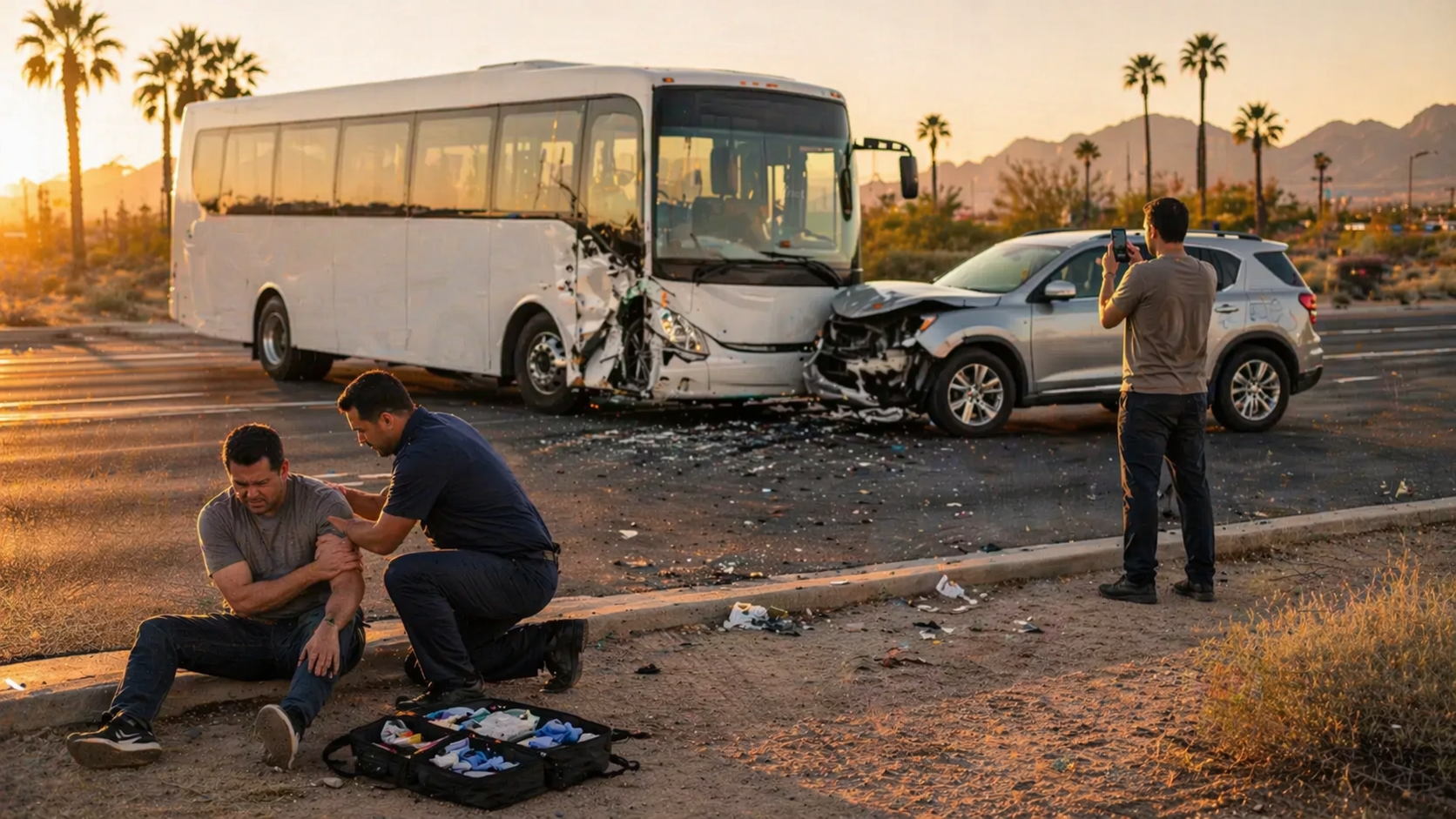
Hit-and-Run Lawyer Guide for Victims in Arizona
Purpose of This Hit and Run Lawyer Guide for Victims
This hit and run lawyer guide for victims is designed for individuals involved in a hit and run accident anywhere in Arizona. If you were involved in a hit and left facing medical bills, property damage, and uncertainty, this guide explains your rights and the practical steps you should take next.
The focus is on Arizona law, local procedures, and real-world outcomes. Victims seeking justice after a run accident often feel overwhelmed, especially when the hit and run driver cannot be identified right away.
This guide walks you through the legal process, insurance claim options, and how personal injury law applies to hit and run cases. It also explains how to protect victims from common mistakes that can undermine recovery.
Introduction: Why This Hit and Run Lawyer Guide Matters
Hit and run incidents are rising concerns in many Arizona cities, including Phoenix and Tucson. According to the Arizona Department of Transportation, thousands of crashes each year involve a fleeing driver.
A typical hit and run car crash may involve a parked vehicle struck overnight, a pedestrian hit at an intersection, or a serious injury collision where the other vehicle speeds away before law enforcement arrives. In more severe cases, a company car or commercial vehicle may be involved.
Under Arizona law, leaving the scene without stopping to render aid and provide information is a criminal offense. Victims of hit and run offenses can face significant medical expenses, lost wages, and emotional distress.
Prompt legal action matters. Evidence can disappear quickly, surveillance camera footage may be overwritten, and witness memories fade. A free consultation with a car accident attorney can help you understand your rights early in the process.
If you are searching for a Phoenix hit and run accident lawyer, you can learn more about your options on our dedicated page.
What Is a Hit and Run Accident?
A hit and run accident occurs when a driver involved in a collision leaves the scene without stopping to provide their contact and insurance details or rendering reasonable assistance.
Under Arizona law, all parties involved in a crash must remain at the scene, provide identifying information, and render aid if someone is injured. Failing to do so turns the event into a criminal offense.
Common examples include a driver who rear-ends another vehicle and drives away, a driver involved in a minor car accident who refuses to exchange insurance information, or a driver who strikes a pedestrian and flees.
When serious injury or death results, the penalties escalate. A hit and run becomes a felony if the injured person suffers severe injury or dies.
Immediate Actions After a Hit and Run Car Accident
If you are involved in a hit, your first priority is safety. Do not chase a fleeing driver. Chasing can lead to further danger and additional car crash risks.
Call 911 immediately. When police arrive, ensure an official accident report is created. This police report is critical for any future insurance claim or personal injury claim.
Do seek medical attention right away. Even if physical injuries seem minor, some serious injury cases involve delayed symptoms. Prompt medical attention also creates documentation linking the injury to the accident.
Take photographs of the accident scene. Document property damage sustained, debris, skid marks, road conditions, and any visible injuries.
Collect witness statements. Ask bystanders for names and contact information. Witnesses may recall the driver’s appearance, license plate digits, or the direction the other vehicle traveled.
Preserve any surveillance camera footage or dashcam clips. Nearby businesses, homes, or traffic intersections may have recorded the incident.
If the Hit and Run Driver Is Unknown
If the hit and run driver cannot be identified at the scene, canvas the area. Knock on nearby doors and ask if anyone saw the accident occur.
Request traffic camera footage from local agencies. In Phoenix, traffic investigators may have access to intersection cameras. In Tucson and other Arizona cities, similar procedures apply.
File a police report as soon as possible if law enforcement does not respond at the scene. An official accident report strengthens your hit and run claim and is often required by your insurance company.
In complex hit and run cases, hiring an investigator may be appropriate. An attorney may subpoena surveillance footage or work with experts to trace license plate fragments.
Arizona Law on Hit and Run Accidents
Arizona law requires all drivers involved in a crash to remain at the scene, provide information, and render aid. These obligations are outlined in Arizona Revised Statutes Title 28.
If a hit and run results in property damage only, penalties may include up to 30 days in jail, one year of probation, and a fine. In more serious injury cases, the offense may rise to a felony.
According to the Arizona Legislature, leaving the scene of an accident involving injury can result in significant prison time, depending on the severity.
The statute of limitations for filing personal injury claims in Arizona is generally two years from the date the accident occur. This deadline is set forth under Arizona Revised Statutes § 12-542.
Failing to file within this period may prevent you from recovering damages through civil court.
Joey’s Law and Recent Arizona Amendments
One noteworthy law in Arizona is Joey’s Law. Joey’s Law was passed in Arizona to increase penalties for hit and run offenses and protect victims.
The law strengthens consequences for drivers who flee scenes involving injury or death. It reflects Arizona’s effort to address rising concerns about hit and run incidents statewide.
Penalties can range from probation and fines to several years in prison. The severity depends on whether the driver involved failed to render aid and the extent of harm caused.
Insurance Options for Hit and Run Victims
When the at fault driver cannot be located, uninsured motorist UM coverage can become the primary source of recovery. Arizona does not require uninsured motorist coverage, but it must be offered by insurers.
Uninsured motorist coverage protects you when the other driver is unidentified or lacks insurance. In a hit and run accident, your own insurer may step into the shoes of the missing driver.
Notify your insurance company promptly. Review your insurance policy for uninsured motorist, underinsured motorist, medical-pay, or personal injury protection benefits.
Uninsured motorist UM coverage can cover medical bills, lost wages, and certain non-economic damages. Underinsured motorist coverage may apply if the driver is later identified but has insufficient limits.
Even though you are dealing with your own insurer, disputes can arise. An attorney can review communications and advise you on how to respond.
Building Your Case: Evidence, Investigators, and Experts
Recovering damages after a hit and run accident relies heavily on evidence. A car accident relies heavily on documentation such as the police report, witness statements, and photos.
Secure medical records early. Documentation of physical injuries, treatment plans, and significant medical bills is critical in serious injury cases.
Expert testimony can significantly impact the outcome. Accident reconstruction experts may analyze vehicle damage and debris patterns.
In some hit and run cases, video enhancement specialists can clarify license plate images from surveillance camera footage.
An attorney may also interview witnesses and coordinate with law enforcement to strengthen the case.
Criminal vs Civil: How Hit and Run Cases Proceed
Hit and run offenses trigger both criminal and civil consequences. The state prosecutes the fleeing driver for violating Arizona law.
Separately, the injured person may file a personal injury claim seeking fair compensation for medical expenses, lost wages, and emotional distress.
The outcome of the criminal case can influence civil recovery. A criminal conviction may be considered in related civil proceedings, depending on the circumstances.
However, even if no criminal charges are filed, you may still pursue compensation through your own insurer or a civil lawsuit.
Working with Law Enforcement in Arizona Cities
If the accident occurs in Phoenix, coordinate with Phoenix Police Department traffic investigators. In Tucson, contact the Tucson Police Department.
Many Arizona cities also maintain community tip lines such as Silent Witness. These programs allow anonymous reporting about a fleeing driver.
The Arizona Attorney General’s Office provides victim advocates who help injured persons navigate the criminal justice system.
Stay in communication with investigators. Provide any new evidence, including updates about medical attention or additional witness statements.
Common Mistakes That Hurt Hit and Run Claims
Avoid giving recorded statements to any insurance company without legal guidance. Statements can be used to minimize your claim.
Do not accept early settlement offers without understanding the full scope of medical expenses and lost wages.
Never delay medical care. Even if police arrive and the scene appears minor, hidden injuries can worsen without treatment.
Follow a clear do’s and don’ts list. Do seek medical attention. Do preserve evidence. Do document property damage. Do not chase the fleeing driver.
When the Hit and Run Driver Is Located
If the run driver is later identified, preserve all evidence. Provide updates to law enforcement and your attorney.
Coordinate the civil claim with the criminal case. Restitution orders may address certain damages, but they do not replace a full personal injury lawsuit.
Document all communications with insurers and any offers related to property damage or bodily injury.
An attorney can help coordinate the civil and criminal proceedings and develop a strategy appropriate to your case.
When the Hit and Run Driver Is Never Located
If the driver remains unidentified, your own insurer may still provide coverage under uninsured motorist provisions.
You must demonstrate that a hit and run occurred. Evidence such as the accident report, witness statements, and photographs supports this proof.
Alternate liable parties may also exist. For example, if debris from a commercial truck caused the accident, the trucking company could be investigated.
Preparing thorough documentation can help support your uninsured motorist claim.
Hiring a Hit and Run Lawyer: Free Consultation and Fees
Hiring an attorney can help you navigate insurance claim disputes and serious injury cases.
Many personal injury firms work on a contingency basis, meaning attorney fees are paid only if there is a recovery. Case expenses and costs, if any, will be explained in a written fee agreement before representation begins.
Contingency fees vary by case and will be explained in a written fee agreement signed before representation begins.
During a free consultation, ask about direct attorney involvement, communication practices, and experience with hit and run cases.
What to Ask During a Free Consultation
Ask whether the attorney has handled similar hit and run cases in Arizona cities.
Request information about timelines and how evidence will be preserved.
Ask how the firm approaches uninsured motorist claims and negotiations with your own insurer.
Recovering Compensation in Personal Injury Claims
Depending on the facts of the case and available insurance coverage, hit and run victims may be able to pursue compensation for medical expenses, lost wages, and property damage.
In serious injury cases, damages may also include future medical expenses and emotional distress.
Keep detailed records of all medical bills, out-of-pocket expenses, and missed work.
A car accident attorney can help evaluate the full scope of damages and pursue fair compensation under Arizona law.
Local Resources and Victim Support
The Arizona Department of Public Safety provides crash reporting and public safety information.
The Arizona Attorney General’s Office offers victim services and guidance on criminal proceedings.
The Arizona Department of Transportation publishes crash data that highlights the frequency of hit and run incidents.
These non-competitive resources can support victims as they move through the legal process.
FAQs for Hit and Run Victims
How soon should I file a police report?
File a police report immediately or as soon as possible after the accident occur. Prompt reporting strengthens your insurance claim.
Will insurance cover an unidentified driver?
Uninsured motorist coverage may apply if the at-fault driver is never found, depending on the terms of your policy and the available evidence.
When should I hire a personal injury attorney?
Consulting with a personal injury attorney early can help preserve evidence and avoid missteps with insurers.
Next Steps: Timeline, Contact, and Free Consultation
Immediately call 911, seek medical attention, and document the scene.
Within days, notify your insurance company and obtain the accident report.
Within weeks, consult with an attorney to evaluate your hit and run claim and protect your rights under Arizona law.
If you were involved in a Phoenix hit and run accident, consider scheduling a free consultation with Harris Injury Law to discuss your legal options and next steps. Contact us at (480) 800-4878.
Submitting information or scheduling a consultation does not create an attorney-client relationship. Representation begins only after a written agreement is signed.