Phoenix Bus Accident Attorney: Steps to Take After a Crash
Understanding What to Do After a Bus Accident in Phoenix
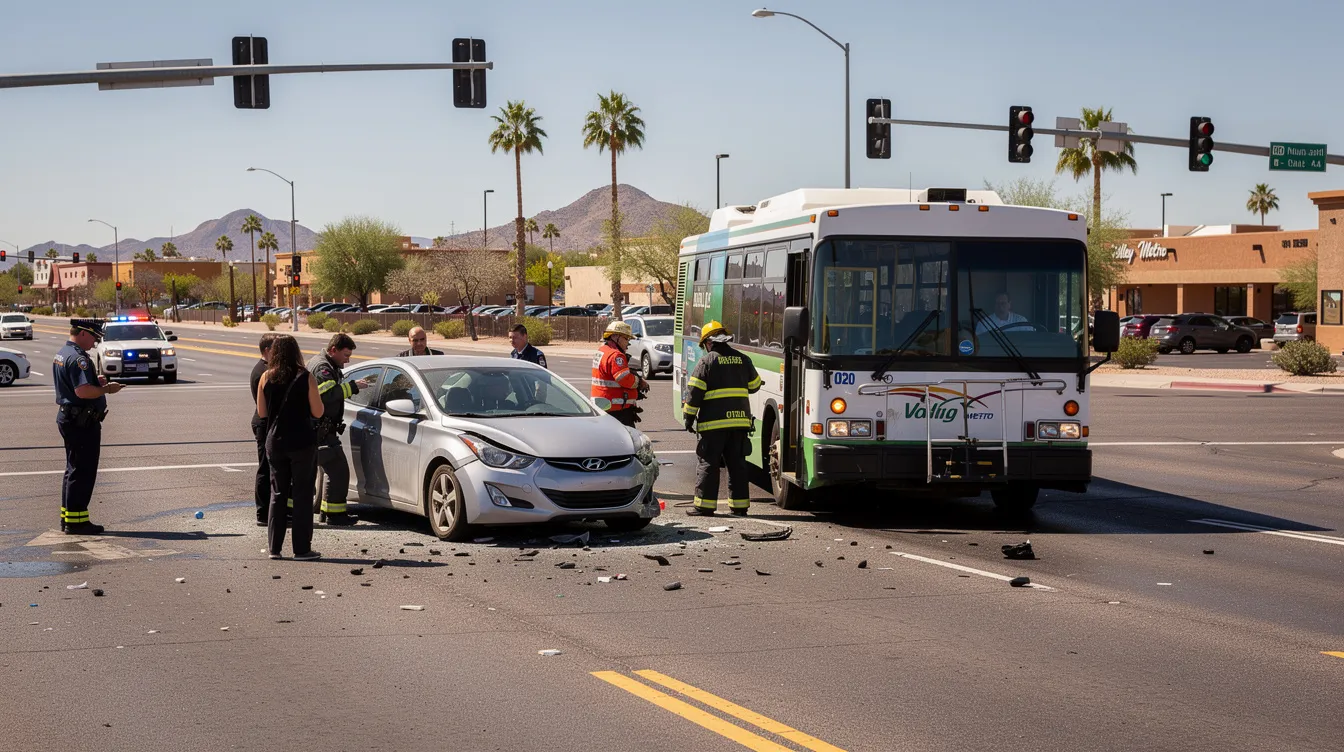
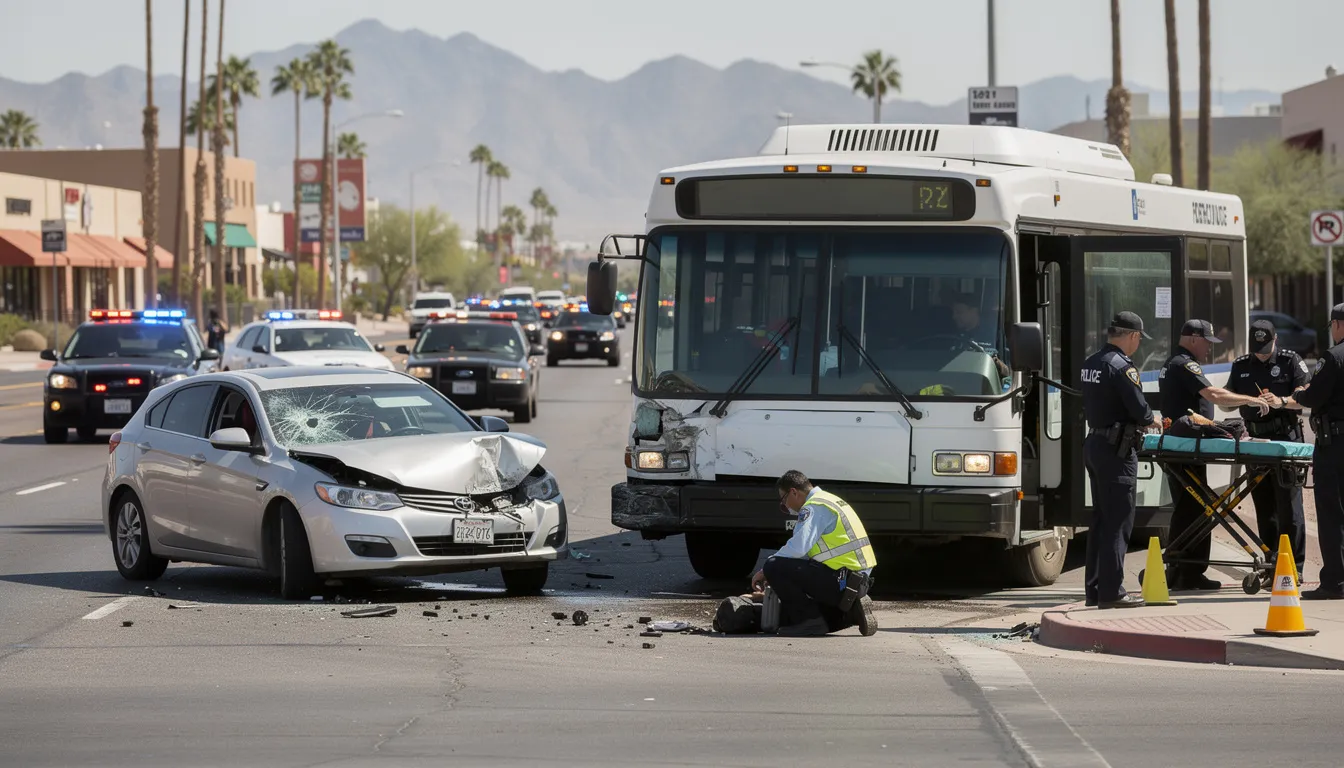
A bus accident in Phoenix can happen without warning and may leave victims facing serious injuries, emotional distress, and significant financial uncertainty. Because buses are large, heavy vehicles that often carry dozens of passengers, a single bus collision can involve multiple vehicles, injured bus passengers, pedestrians, and other drivers. When a bus crash occurs, the actions taken in the minutes, hours, and days afterward can influence a victim’s ability to pursue a bus accident claim under Arizona law.
Victims of Phoenix bus accidents often find themselves dealing with medical treatment, insurance claims, and questions about liability all at the same time. For bus accident victims, understanding what to do immediately after the accident occurred can make a significant difference in protecting their legal rights and preserving the evidence necessary for a bus accident case.
Whether the incident involves a Phoenix bus, a charter vehicle, or intercity bus accidents, the steps taken after the crash can influence how successfully a person may later recover compensation for medical expenses, lost wages, and other damages. In many cases, victims later turn to a Phoenix bus accident lawyer or bus accident attorney for legal assistance when navigating the complex legal process that follows.
Why Bus Accidents Are Often More Serious Than Other Vehicle Crashes
Bus accidents frequently result in severe injuries because of the sheer size and weight of these vehicles. A bus can weigh many tons and carries significant force during a collision. When a bus strikes smaller vehicles, the damage to those vehicles involved can be devastating.
According to the National Highway Traffic Safety Administration (NHTSA), bus crashes across the United States regularly result in serious injuries and fatalities due to the large passenger capacity and structural differences compared to passenger cars.
Passengers riding on buses are particularly vulnerable during collisions. Unlike occupants of passenger cars, bus passengers often do not have seatbelts. When a bus accident occurs, individuals may be thrown from their seats or collide with hard interior surfaces. This lack of restraints contributes to bus accident injuries such as fractures, traumatic brain injuries, and spinal cord injuries.
The physical consequences are not limited to passengers alone. Drivers and occupants of smaller vehicles involved in a bus accident in Phoenix may suffer catastrophic harm due to the size difference between buses and typical passenger cars. These types of crashes often create complex personal injury claims involving multiple parties.
Immediate Steps After a Bus Crash – Seek Medical Attention First
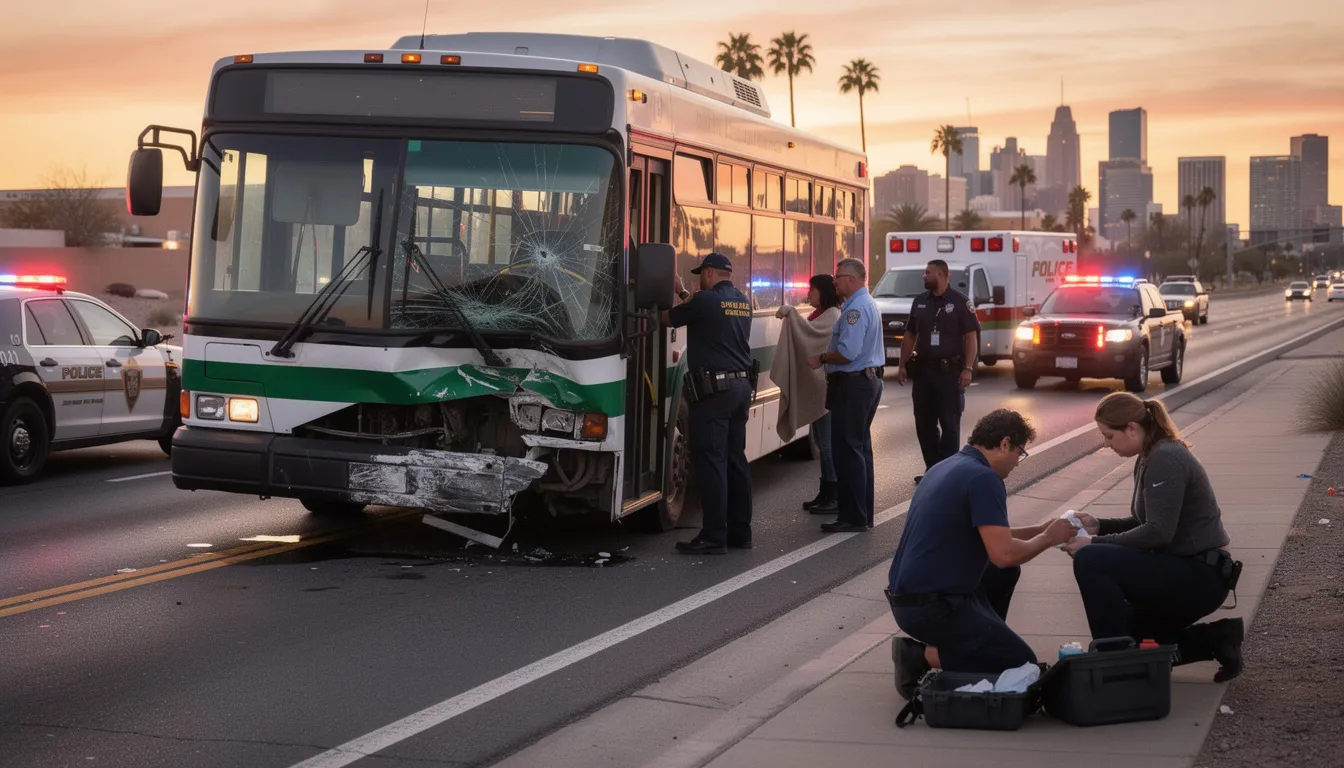
The most important step after a bus crash is to seek medical attention immediately. Even when injuries are not immediately apparent, medical evaluation is essential for detecting internal injuries or conditions that may worsen over time.
Victims should seek medical attention as soon as possible after the accident. Symptoms such as dizziness, headaches, neck pain, or confusion may signal serious underlying trauma, including traumatic brain injuries or internal bleeding.
Medical professionals create documentation that can later serve as critical evidence in a bus accident claim. Medical reports, diagnostic imaging, and physician notes can establish a timeline linking injuries directly to the bus collision.
Emergency responders at the scene may provide initial care, but follow-up treatment remains crucial. Victims should continue medical appointments and retain records of medical bills, prescriptions, and treatment plans. This documentation helps demonstrate the full extent of injuries sustained and the ongoing cost of care.
Why Immediate Medical Documentation Matters for a Claim
When victims seek medical attention immediately, they establish an official medical record tied to the crash. This record becomes an important part of any personal injury lawsuit or insurance claim.
Insurance companies frequently review medical timelines when evaluating bus accident claims. If significant time passes between the accident and the first medical visit, insurers may attempt to argue that injuries were unrelated to the crash.
Maintaining consistent treatment records also helps calculate damages related to future medical expenses and future medical bills, which are often necessary when injuries require ongoing rehabilitation or surgery.
Keeping copies of medical records and all treatment documentation helps create a clear record of the emotional and physical toll caused by the accident.
Contact Law Enforcement and Obtain a Police Report
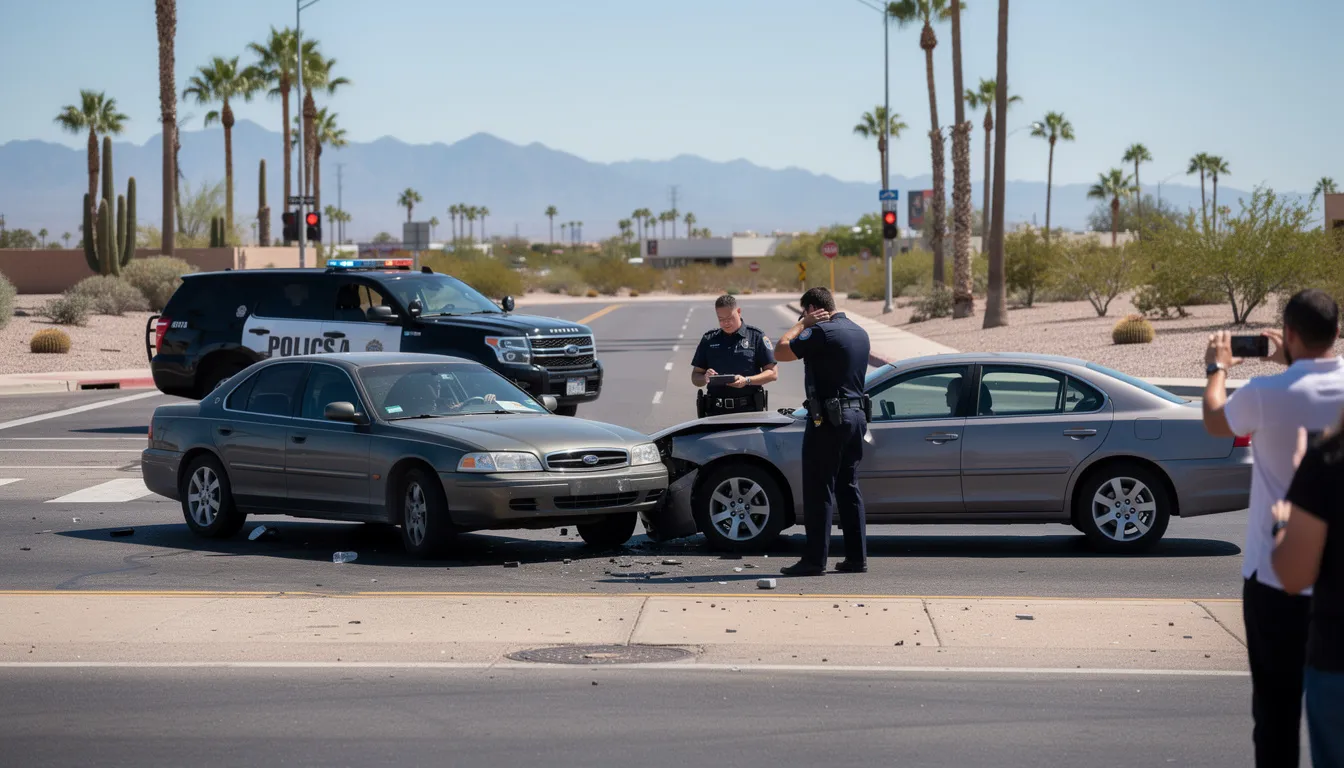
Another crucial step is to contact law enforcement and ensure that the accident is officially documented. Police officers responding to the crash scene typically investigate the circumstances and create an official police report.
The police report may include critical details such as:
- Names of drivers and passengers
- Insurance information and insurance details
- Observations about road conditions
- Statements from drivers and witnesses
- Diagrams of the accident scene
Law enforcement documentation provides an independent account of how the accident happened. This official record can later help establish liability in a bus accident case.
Accident victims should request a copy of the report once it becomes available. Police documentation often plays a significant role in handling bus accident cases and determining fault among responsible parties.
Documenting the Accident Scene and Gathering Evidence
When possible, victims should carefully gather evidence at the scene. Evidence preservation is critical because conditions at the accident scene can change quickly once vehicles are moved and debris is cleared.
Photographs can provide valuable insight into how the accident unfolded. Images of vehicle damage, traffic signals, road conditions, and the surrounding environment may later help accident reconstruction experts determine what occurred.
Victims should attempt to document:
- The position of all vehicles involved
- Visible damage to the bus and other vehicles
- Road hazards or construction zones
- Traffic lights, stop signs, and lane markings
- Weather and lighting conditions
Collecting this information helps establish the factual circumstances surrounding the bus accident in Phoenix.
Collecting Witness Statements and Contact Information
Witness accounts can provide valuable insight into what happened before and during a crash. Individuals who observed the accident may later provide witness statements that support a victim’s account of events.
When possible, victims should collect:
- Names and phone numbers of witnesses
- Email addresses or mailing information
- Brief descriptions of what each witness observed
Witness testimony can be especially valuable in cases involving reckless or aggressive driving, distracted driving, or other negligent behavior by a bus driver or other motorists.
Witness accounts may later become critical evidence when disputes arise between insurance companies or when determining liability among multiple parties.
Preserving Digital Evidence and Video Footage
Modern buses often contain onboard cameras and electronic tracking systems. These systems may capture video footage of the accident as well as GPS data that reveals the vehicle’s speed and route.
Because such evidence may only be stored temporarily, it is important to preserve it quickly. An experienced bus accident lawyer may send legal requests to preserve video recordings before they are overwritten.
Surveillance cameras from nearby businesses or traffic monitoring systems may also capture the collision. Attorneys often work to secure these recordings as part of the investigation.
Digital evidence, combined with witness statements and photographs, can significantly strengthen a bus accident case.
Avoid Admitting Fault or Discussing the Accident With Insurers
In the aftermath of a crash, victims may speak with other drivers, bus company representatives, or insurance adjusters. During these conversations, individuals should avoid making statements that could be interpreted as admitting fault.
Even simple comments such as saying you are “fine” may later be used by insurers to question the severity of injuries.
Insurance companies often attempt to minimize liability when evaluating claims. Statements made immediately after an accident can later influence negotiations or litigation.
For this reason, many accident victims seek legal representation before discussing the incident in detail with insurance companies.
Understanding Liability in Bus Accident Cases
Determining liability in a bus accident case can be complicated because these incidents often involve multiple parties. A crash may involve the bus driver, a bus company, other motorists, or even government entities.
Bus accident claims may include allegations of negligence involving driver conduct, vehicle maintenance, or roadway conditions. Each potential factor must be carefully examined when determining who may be responsible.
The complexity of these cases often requires detailed investigation and coordination among legal professionals and experts.
The Role of Bus Drivers in Bus Accident Liability
The actions of the bus driver often play a central role in determining fault. Bus drivers must hold a commercial driver’s license and meet training requirements for operating passenger vehicles.
Despite these qualifications, negligence can still occur. Common issues involving bus drivers include speeding, distracted driving, or driver fatigue caused by long work hours.
Driver behavior may also involve reckless or aggressive driving, unsafe lane changes, or failure to obey traffic signals. When these actions contribute to a crash, the driver may share responsibility for the accident.
Bus Companies and Their Duty of Care
Bus operators are generally considered “common carriers.” Under personal injury law, common carriers owe a heightened duty of care to their passengers.
This legal doctrine requires transportation providers to take reasonable steps to protect passenger safety. A bus company may therefore be liable for negligent hiring, inadequate training, or poor safety policies.
Maintenance practices also play a role. Failure to inspect or repair buses can contribute to accidents caused by brake failures, steering defects, or tire blowouts.
Investigating maintenance logs and safety records often becomes an important part of handling bus accident cases.
Other Drivers and Third-Party Liability
Not all bus accidents are caused by bus operators. Other drivers may create dangerous conditions through careless or unlawful driving behavior.
Examples include:
- Running red lights
- Driving while distracted
- Failing to yield to buses
- Speeding in heavy traffic
In some situations, mechanical defects may also contribute to accidents. Manufacturers or maintenance contractors responsible for faulty parts may become additional defendants in the case.
Because these incidents often involve multiple parties, determining liability requires thorough investigation.
Common Causes of Bus Accidents in Phoenix
Many causes of bus accidents mirror those of other traffic collisions. However, the size and operational demands of buses can introduce additional risks.
Common causes include:
- Driver fatigue from long driving hours
- Distracted driving
- Poor vehicle maintenance
- Mechanical failures
- Unsafe road conditions
- Reckless or aggressive driving
These factors may interact in complex ways during a bus accident in Phoenix, making it essential to carefully analyze all contributing elements.
Typical Bus Accident Injuries and Long-Term Consequences
Victims of bus accident injuries often suffer serious physical trauma. Because buses lack many passenger restraints, occupants may be thrown violently during a collision.
Common injuries include:
- Traumatic brain injuries
- Spinal cord injuries
- Broken bones and fractures
- Internal bleeding
- Soft tissue injuries
The Centers for Disease Control and Prevention (CDC) reports that motor vehicle crashes remain a leading cause of serious injury nationwide, including traumatic brain injuries and spinal trauma.
These conditions may require extensive rehabilitation and long-term medical treatment.
Psychological Trauma and Emotional Impact
The impact of a bus accident is not limited to physical harm. Many victims experience lasting psychological trauma after surviving a serious crash.
Emotional symptoms may include anxiety, sleep disturbances, or post traumatic stress disorder. The psychological impact can significantly affect a victim’s daily life, relationships, and ability to work.
Mental health treatment and counseling may therefore become part of a victim’s recovery process.
In personal injury cases, emotional distress and psychological harm may be considered when evaluating damages.
Filing Claims Against Public Transit or Government Entities
Some Phoenix bus accidents involve public transit systems such as Valley Metro. Claims against government entities are subject to special legal rules that differ from ordinary accident claims.
Under Arizona Revised Statutes § 12-821.01, individuals seeking compensation from a public entity must file a Notice of Claim within 180 days of the incident.
This requirement applies to claims involving government agencies or municipal transportation systems.
The notice must contain specific information describing the claim and the amount of damages sought. Failure to comply with this requirement may prevent a victim from pursuing a lawsuit.
Statute of Limitations for Bus Accident Claims in Arizona
Arizona law also establishes deadlines for filing personal injury lawsuits. The general statute of limitations for personal injury claims is two years from the date of the injury.
This rule is outlined in Arizona Revised Statutes § 12-542, which governs civil claims involving injuries caused by negligence.
While two years may seem like a long time, investigations and negotiations can take months or even years. Missing the applicable deadline can eliminate the right to pursue compensation.
Because government claims involve shorter deadlines, consulting an accident attorney in Phoenix early can help ensure compliance with all procedural requirements.

How Bus Accident Lawyers Investigate and Build Cases
When victims begin seeking legal assistance, a bus accident lawyer typically begins by conducting a detailed investigation.
This process may include:
- Reviewing the police report
- Examining medical records and treatment documentation
- Analyzing maintenance logs and driver records
- Interviewing witnesses
- Collecting video evidence
Legal professionals may also work with accident reconstruction experts who analyze vehicle damage, road conditions, and impact forces.
This investigative work helps identify responsible parties and establish negligence.
Negotiating With Insurance Companies After a Bus Accident
Insurance companies frequently play a central role in the aftermath of a bus accident. Adjusters evaluate claims and determine what they believe the company should pay.
Because insurers often attempt to limit financial exposure, negotiations can become complex. Lawyers may communicate with insurance adjusters and present evidence supporting the claim.
Evidence may include medical documentation, witness testimony, and expert evaluations.
The goal of negotiations is often to reach a fair settlement that addresses the financial and personal consequences of the accident.
Damages That May Be Recoverable in Bus Accident Cases
Victims of bus accidents may seek compensation for various forms of harm caused by the crash.
Potential damages may include:
- Medical expenses and medical bills
- Lost wages and reduced earning capacity
- Future medical expenses and long-term care
- Pain and suffering
- Emotional distress
In fatal accidents, families may also pursue wrongful death damages, which can include funeral expenses and loss of financial support.
Calculating damages requires careful review of medical evidence and financial documentation.
How Legal Representation Can Help Bus Accident Victims
For many victims, navigating the aftermath of a crash can feel overwhelming. The legal process often involves insurance negotiations, evidence collection, and compliance with legal deadlines.
A Phoenix bus accident attorney or experienced personal injury attorney may assist clients by coordinating investigations, communicating with insurers, and identifying liable parties.
Some personal injury lawyers work on a contingency fee basis, meaning attorney fees may be paid from a recovery if one is obtained. The specific terms of any contingency fee arrangement are described in a written fee agreement.
Through these efforts, a legal team may assist individuals in investigating the accident and pursuing compensation that may be available under Arizona law.
Choosing the Right Bus Accident Attorney in Phoenix
Selecting the right bus accident attorney can play an important role in navigating a complex claim. Victims often look for legal professionals who have experience handling bus accident cases and investigating collisions involving commercial vehicles.
Contact Harris Injury Law at (480) 800-4878 to request a free consultation. Submitting information or contacting the firm does not create an attorney-client relationship unless a formal agreement is reached.
Important considerations may include the attorney’s experience, the resources available to investigate the crash, and the firm’s approach to client communication.
For many accident victims, obtaining knowledgeable legal representation early in the process can make all the difference when addressing the challenges that follow a serious bus accident in Phoenix.