Introduction: Why This Guide Matters
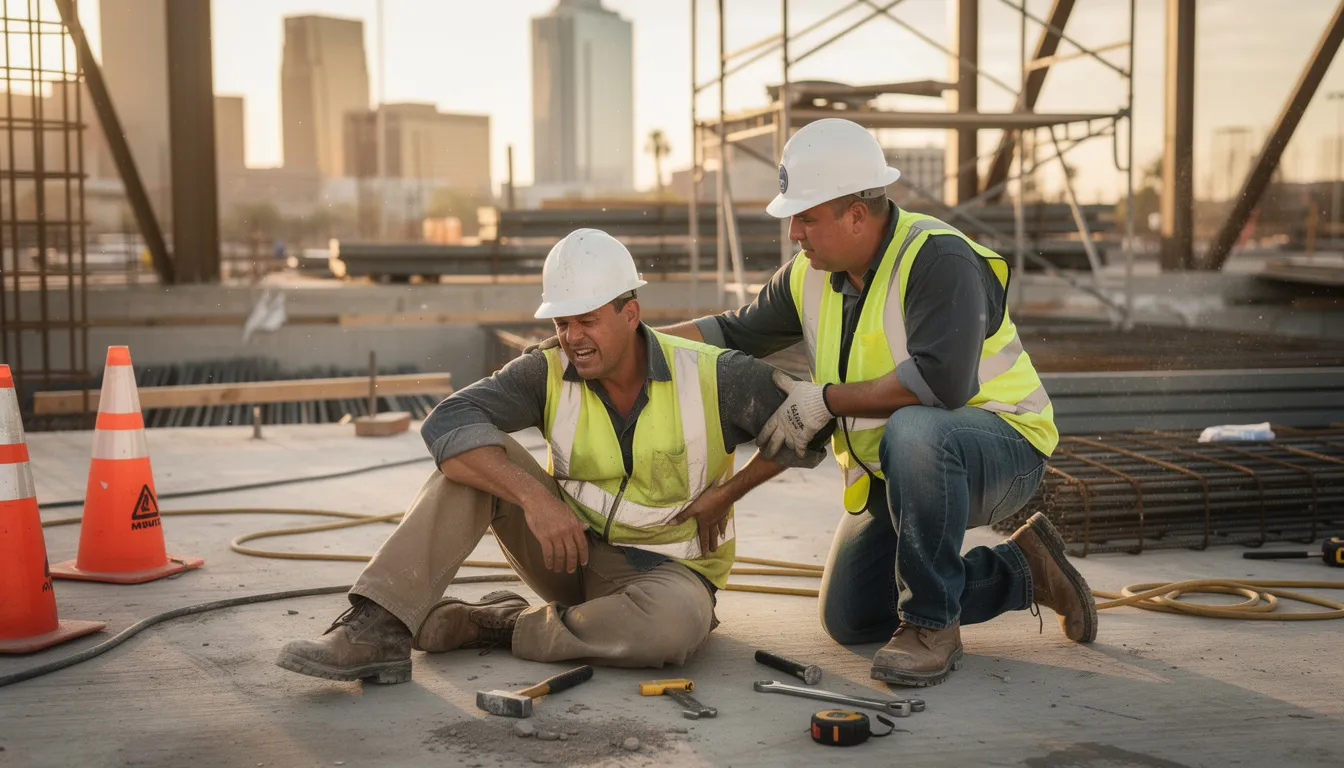
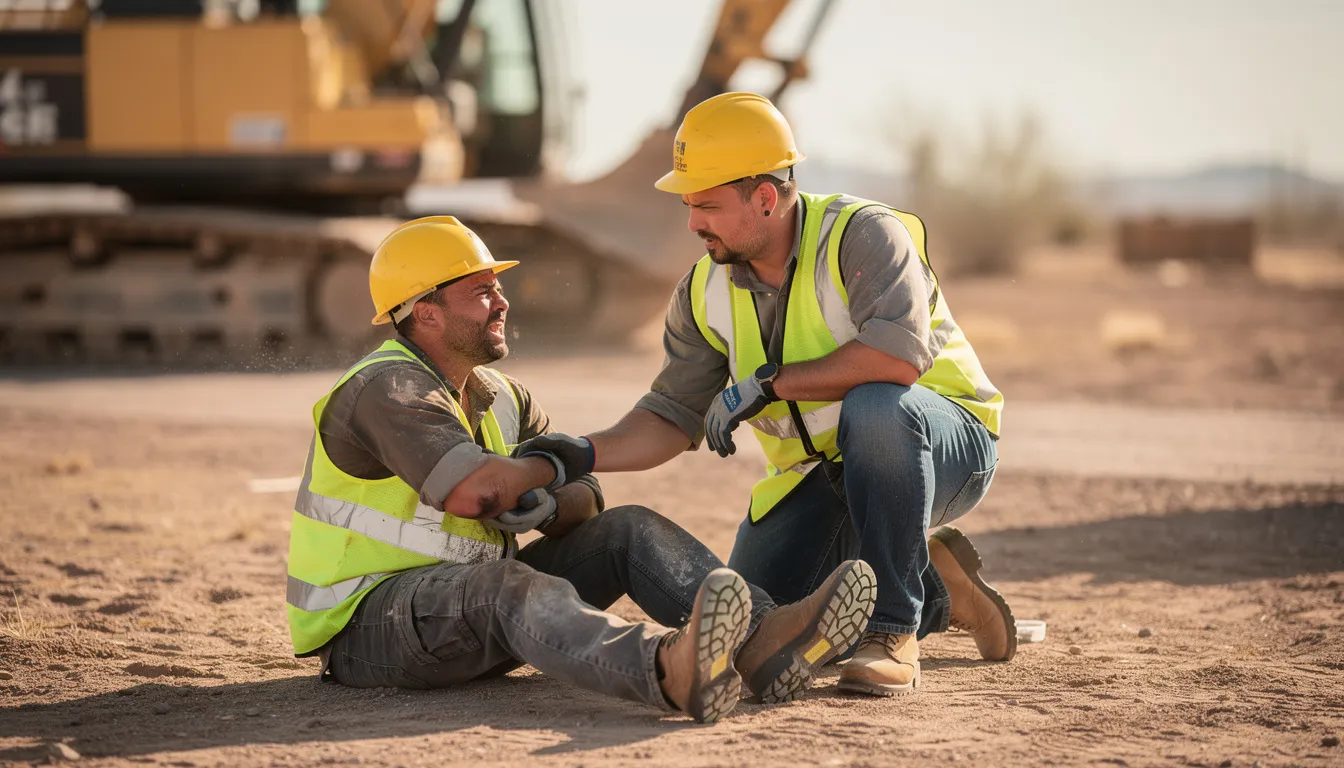
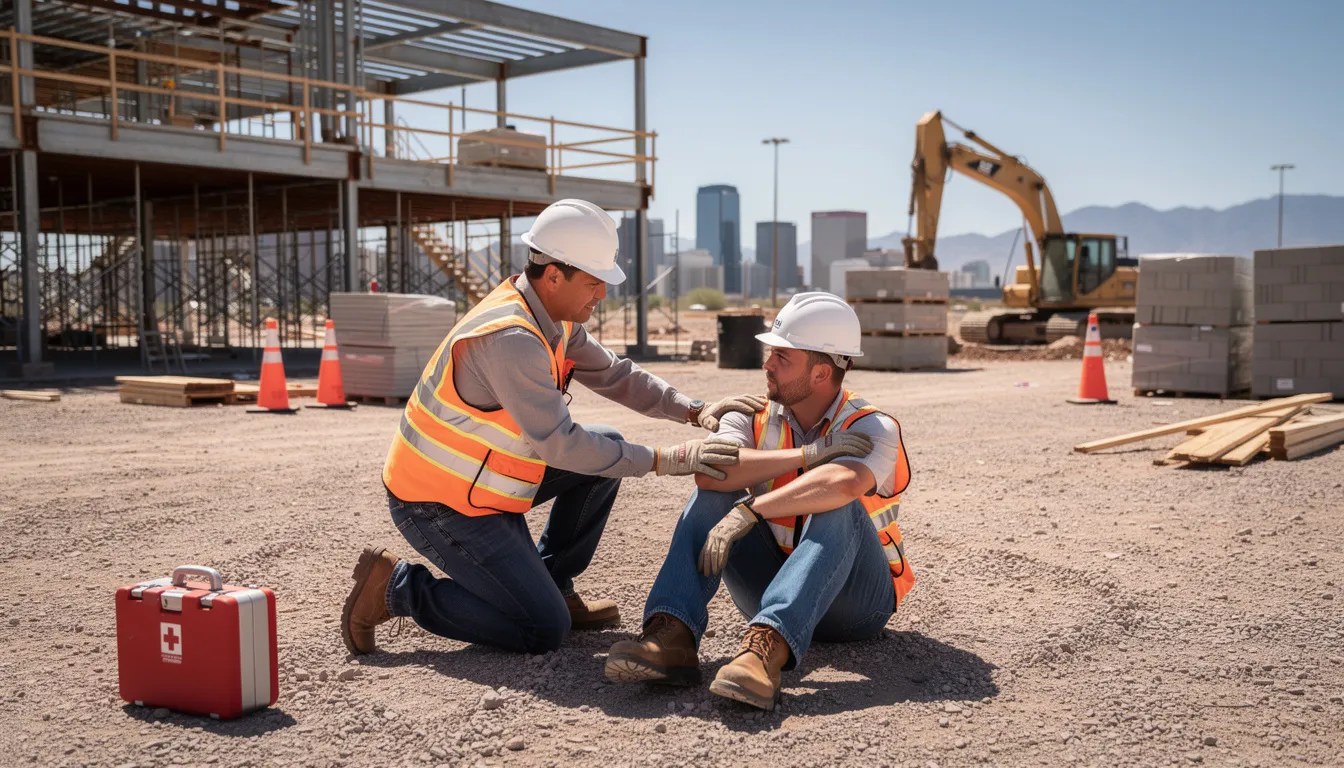
Workplace accidents affect more than just injured workers. They impact employers, co-workers, families, and entire businesses. This guide is written for employers, safety managers, HR professionals, and workers who want a clearer understanding of why workplace accidents happen and how they can be prevented.
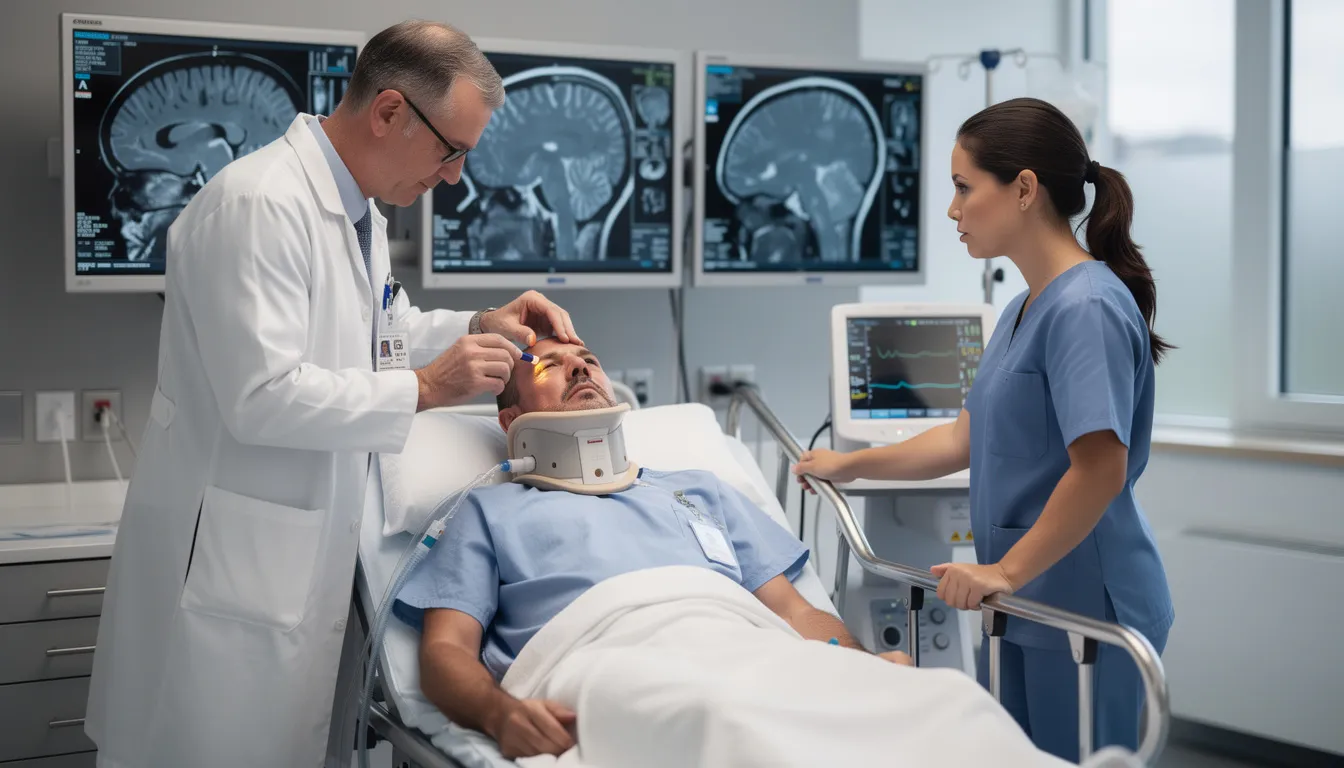
Workplace injuries carry both human and financial consequences. Employees may miss work, experience stress, suffer broken bones or back injuries, or deal with long-term health effects. Employers face workers compensation costs, lost productivity, lost wage expenses, and rising insurance premiums. Understanding the top 10 causes of accidents in the workplace is a practical starting point for reducing risks and building a safer workplace.
This article explains how injury cost data is analyzed, summarizes national safety rankings, and outlines the most common workplace injuries along with prevention strategies employers can implement today.
Methodology: How Injury Cost Data Is Analyzed
Accurate injury cost data is critical when evaluating workplace safety priorities. This analysis draws from three core sources: Liberty Mutual’s Workplace Safety Index, federal labor statistics, and the NASI total cost framework.
To maintain consistency, most national datasets reflect injuries from years prior, often with a three-year data lag. This allows for complete claims development and reliable cost comparisons across industries.
Cost estimates are scaled using the nasi total cost methodology developed by the National Academy of Social Insurance. This approach accounts for direct cost items, such as medical treatment and wage replacement, as well as broader social insurance impacts tied to non fatal workplace injuries.
Liberty Mutual Data And The Workplace Safety Index
The Liberty Mutual Workplace Safety Index ranks the leading cause of serious, nonfatal workplace injuries based on employer costs. The index evaluates injuries that cause employees to miss work for more than five days and result in significant claims.
Using liberty mutual data, the index aggregates medical expenses, lost wage expenses, and indirect impacts such as productivity loss. Liberty Mutual Insurance consistently identifies overexertion, falls, and struck-by incidents as leading contributors to workplace injuries cost across employers based in the United States.
Labor Statistics And Workers Compensation Cost Components
The Bureau of Labor Statistics tracks injury counts, rates, and trends through its Survey of Occupational Injuries and Illnesses. These labor statistics focus on how injuries occur, which industries are affected, and the nature of harm.
Workers compensation costs typically include medical care, temporary and permanent disability benefits, vocational rehabilitation, and administrative expenses. Direct cost items are often visible immediately, while indirect costs such as training replacements, missed deadlines, and reduced morale are harder to measure but still significant.
Top 10 Causes Of Workplace Accidents
The following ranked list reflects employer cost impact and injury severity. Inclusion criteria focus on serious injuries, common workplace injuries, and events caused employees to miss work.
1. Handling Objects And Strenuous Effort
Handling objects is a leading cause of workplace accidents. These incidents involve lifting, carrying, pushing, or pulling equipment or objects, often resulting in back injuries, non impact injuries, and other exertions.
High risk industries include construction, food service, warehousing, and manufacturing. Safe lifting training, mechanical aids, and job rotation help reduce strain injuries tied to strenuous effort.
2. Falls On The Same Level
Same level falls happen when workers slip or trip on wet floors, uneven surfaces, or cluttered walkways. Same level cost remains one of the highest injury categories due to frequency.
Housekeeping programs, prompt spill cleanup, traction improvements, and footwear policies are effective ways to reduce same level fall cost.
3. Falls To A Lower Level
Falls to a lower level involve ladders, scaffolds, roofs, or open edges. These incidents often result in serious injuries or death, especially in construction and industrial settings.
Fall protection systems, guardrails, harnesses, and training are essential for reducing lower level cost and preventing catastrophic outcomes.
4. Struck By Or Struck Against Objects
Struck-by injuries occur when objects fall or move unexpectedly. Struck-against injuries happen when a person hits a fixed object or equipment.
Fixed-object guards, tool tethering, and exclusion zones around moving machinery reduce risks associated with equipment or objects.
5. Overexertion And Bodily Reactions
Overexertion includes pushing the body beyond safe limits. Bodily reactions involve sudden movements that cause sprains or strains without impact.
Ergonomic assessments, task redesign, and rest breaks help limit bodily reactions and related injuries.
6. Repetitive Motion Injuries
Repetitive motion injuries develop over time from repeated tasks such as typing, cutting, or assembly work. Repetitive motion injuries are common in manufacturing, healthcare, and food service.
Task rotation, ergonomic tool adjustments, and workstation redesign reduce long-term strain.
7. Caught In Or Compressed By Equipment
These accidents involve workers caught in, under, or between equipment or moving machinery. Injuries can include crushed limbs or amputations.
Machine guarding, lockout-tagout procedures, and strict maintenance protocols are critical safety controls.
8. Vehicle-Related Incidents
Vehicle incidents include crashes involving cars, forklifts, or heavy equipment. They are common in transportation, logistics, and construction industries.
Driver safety programs, fitness-for-duty screenings, and vehicle maintenance reduce accident frequency.
9. Exposure To Harmful Substances
Exposure incidents involve hazardous materials, harmful substances, and other harmful substances such as chemicals, dust, or fumes.
Hazard communication programs, exposure monitoring, respiratory protection, and personal protective equipment protect workers from long-term health risks.
10. Slip Or Trip Without A Fall
Slip or trip incidents that do not result in falls still cause injuries like muscle strains and stress reactions.
Floor maintenance protocols, signage, and awareness training help prevent these common workplace injuries.
Prevention: Creating A Safer Workplace
A safer workplace begins with proactive risk management. Employers should prioritize hazard assessments to identify potential workplace injuries before accidents happen.
Targeted training programs, regular safety audits, and investments in ergonomic controls help reduce accidents across industries.
Using Data To Reduce Costs
Mapping Liberty Mutual findings to workplace priorities allows employers to focus resources where risks and costs are highest. Collecting accurate injury cost data supports ROI analysis and budget planning.
Benchmarking incident rates against labor statistics helps employers understand where they stand compared to similar businesses.
Implementation Roadmap
Effective safety programs rely on structure and accountability. Employers should create a prioritized action plan tied to leading risks.
Assign responsibility for each initiative, schedule regular training sessions, and measure reductions in workers compensation costs quarterly to track progress.
Harris Injury Law And Workplace Injury Claims
Harris Injury Law represents employees across Arizona who suffer workplace injuries, including serious injuries caused by falls, equipment accidents, and exposure risks. As part of a broader personal injury practice, the firm handles workers compensation matters while helping clients understand their legal obligation, benefits, and options under Arizona law.
Resources And References
For further reading and data transparency, review the Workplace Safety Index published by Liberty Mutual, nonfatal injury reports from the Bureau of Labor Statistics, and cost methodology from the National Academy of Social Insurance.