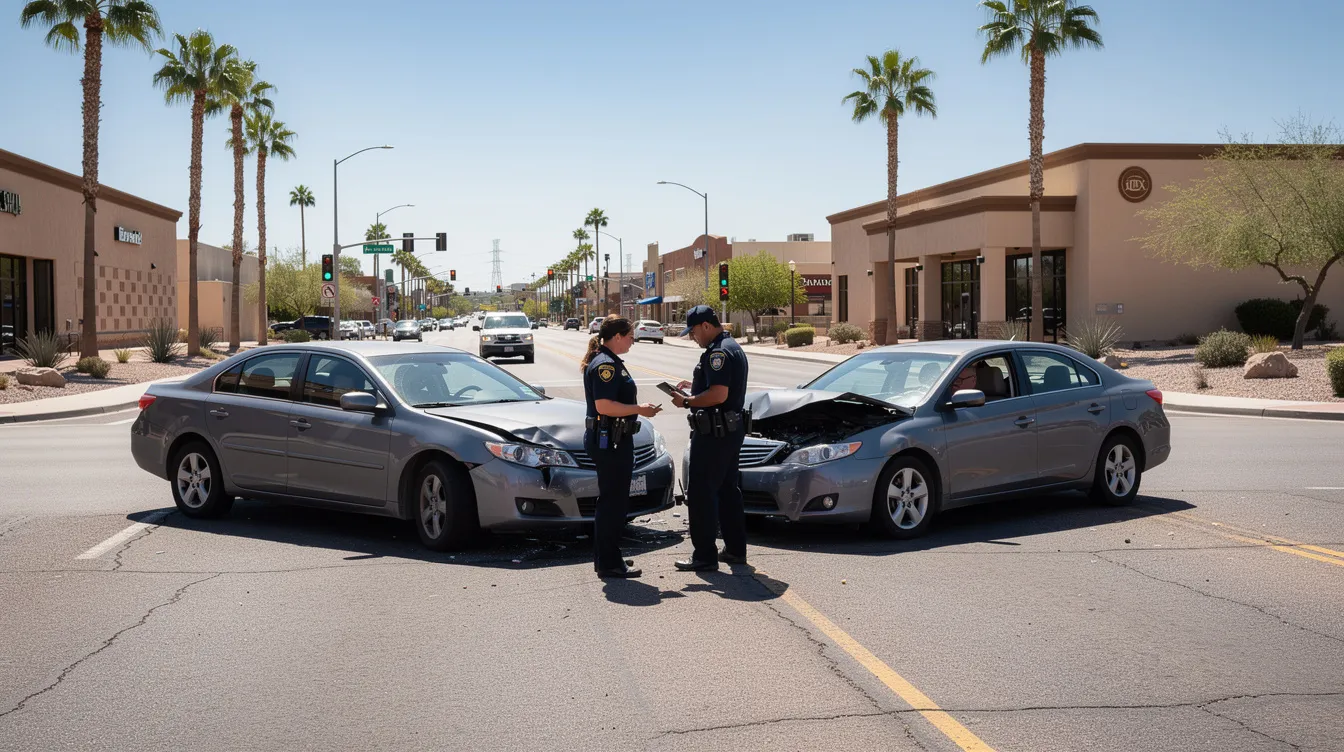
How Much Can a Car Accident Lawyer in Phoenix Recover? A Practical Guide
Overview: What “Recovery” Means After a Car Accident
After a car accident in Phoenix, the word “recovery” has two meanings. The first refers to the physical and emotional healing process for the injured person. The second refers to the financial recovery available through a car accident claim, which may include payment for medical care, lost income, and other losses caused by the crash. Understanding what financial recovery means is essential for any car accident victim trying to move forward after a serious collision.
When people ask how much can a car accident lawyer in Phoenix recover, they are really asking how Arizona law evaluates damages after an auto accident. Recovery can include compensation for medical expenses, lost wages, property damage, and the personal impact of injuries such as pain and suffering. In some rare situations, courts may also allow punitive damages when the at fault driver acted with extreme recklessness.
The value of a Phoenix car accident case depends on several factors. Liability, available insurance coverage, injury severity, and the quality of documentation all influence what a claimant may recover. A Phoenix car accident lawyer often helps evaluate these factors early in the process so that accident victims understand the realistic value of their case.
What Types of Damages Can a Phoenix Car Accident Attorney Recover
After a car crash, compensation typically falls into three legal categories under Arizona law. These categories help courts and insurance companies determine what damages an injured person may recover through car accident settlements or a personal injury lawsuit.
A Phoenix car accident attorney usually evaluates damages by separating them into economic damages, non economic damages, and in rare cases punitive damages. This structure helps determine the total potential recovery in a Phoenix car accident case.
Economic Damages in Phoenix Car Accident Claims
Economic damages compensate for measurable financial losses caused by the crash. These losses are usually proven through documentation such as medical bills, employment records, and repair invoices.
Typical economic damages include medical bills, emergency care, surgery, and ongoing medical treatment. They may also include lost wages, reduced earning capacity, and expenses related to vehicle repairs or replacement of damaged property. When an injured person requires rehabilitation such as physical therapy, those medical costs may also be included in a settlement demand.
Non Economic Damages in Phoenix Car Accident Cases
Non economic damages compensate for the personal impact of injuries that do not have a direct financial value. These damages may include pain and suffering, emotional distress, and loss of enjoyment of life.
For many injury victims, these losses are significant because serious injuries affect daily activities, relationships, and overall quality of life. In personal injury cases, attorneys may use methods such as the multiplier method or a per diem calculation to estimate the value of non economic damages.
When Punitive Damages May Apply
Punitive damages are rare in most car accident cases. They are typically reserved for situations involving egregious conduct, such as drunk driving or intentional harm.
Unlike other damages, punitive awards are designed to punish the wrongdoer and discourage similar conduct in the future. Courts may consider punitive damages if the at fault driver engaged in particularly reckless behavior that endangered others.
Wrongful Death Damages After a Fatal Phoenix Car Crash
Some car accident cases involve a fatal collision. In those situations, surviving family members may file a wrongful death claim.
These claims may allow recovery for funeral expenses, loss of financial support, and loss of companionship. The damages available in a wrongful death claim are different from those in standard personal injury cases and often require detailed economic analysis.
Average Settlement and Verdict Ranges in Phoenix Car Accident Cases
Many people search for the average car accident settlement to estimate what their case might be worth. However, settlement amounts vary widely depending on injury severity, insurance coverage, and the strength of evidence.
Car accident settlements vary widely depending on factors such as injury severity, liability, and available insurance coverage. While some cases result in higher recoveries, each case is unique and past outcomes do not guarantee future results. A Phoenix car accident lawyer often evaluates prior verdicts and settlements in Maricopa County to estimate realistic recovery ranges.
Settlement Ranges for Minor Injuries
Cases involving minor injuries, such as mild whiplash or short-term soft tissue injuries, typically fall on the lower end of settlement ranges.
Settlements for minor soft tissue injuries are typically lower than settlements involving more serious injuries, but the value of any claim depends on the specific facts, medical treatment, and available insurance coverage.
Settlement Ranges for Moderate Injuries
Moderate injuries may include fractures, torn ligaments, or injuries requiring extended rehabilitation.
Cases involving injuries such as fractures or ligament damage may involve higher damages than minor injury claims because they can require longer recovery periods and more extensive treatment. Broken bones, extended physical therapy, and lost income from missed work can significantly increase the value of a claim.
Settlement Ranges for Severe or Catastrophic Injuries
When accident victims suffer serious injuries such as spinal cord trauma, traumatic brain injury, or amputation, settlements may increase dramatically.
Cases involving catastrophic injuries can involve substantial damages because they may include long-term medical care, disability, and lost earning capacity. The value of these claims depends on the specific facts of each case.
Why Insurance Limits Influence Settlement Amounts
Even when damages are high, the available insurance coverage often determines how much compensation can realistically be recovered.
Arizona law requires drivers to carry minimum liability insurance coverage of $25,000 per person and $50,000 per accident for bodily injury. According to the Arizona Revised Statutes, these minimum policy limits can significantly affect how much compensation a claimant can recover after a crash.
Key Factors That Determine How Much an Accident Lawyer Can Recover
Many elements influence the potential recovery in a Phoenix car accident case. Insurance companies and attorneys evaluate these factors carefully when calculating settlement values.
Among the most important considerations are liability, injury severity, insurance limits, and the strength of the evidence supporting the claim.
Liability and Proof of Negligence
Clear proof that the other driver caused the crash often strengthens a claim significantly.
Police reports, witness testimony, and physical evidence from the scene help determine liability. Calling law enforcement after a crash ensures that officers secure the scene and prepare a formal crash report, which may later become an important piece of evidence.
Insurance Policy Limits and Available Coverage
Another key factor is the total available insurance coverage.
Compensation is often capped by the at fault driver’s insurance policy limits. If the damages exceed those limits, recovery may depend on additional coverage such as underinsured motorist coverage.
Arizona’s Pure Comparative Negligence System
Arizona follows a pure comparative negligence system, meaning an injured person can recover damages even if they were partially responsible for the accident.
Under the pure comparative negligence rule, compensation is reduced by the percentage of fault assigned to the injured person. The Arizona Revised Statutes on comparative negligence explain how damages may be reduced when multiple parties share responsibility.
Importance of Medical Documentation
Medical records are a crucial component of any personal injury lawsuit.
Detailed documentation helps demonstrate the connection between the crash and the injuries suffered. Insurance companies often evaluate settlement offers based on how clearly medical records show that the injured person required treatment due to the accident.
Injury Severity and Medical Treatment
The severity of the injury is usually the single most important factor in determining the value of a claim.
In general, the more serious the injury and the longer the recovery period, the higher the potential settlement value.
Why Immediate Medical Care Matters
After a car accident, seeking medical attention immediately is essential even if symptoms appear minor.
Prompt medical evaluation protects health and creates documentation linking injuries to the crash. The Centers for Disease Control and Prevention emphasizes that many crash injuries may not be immediately noticeable but can worsen without treatment.
Maximum Medical Improvement and Case Valuation
Serious injury claims are often not settled until the injured person reaches maximum medical improvement.
At that point, doctors can better determine whether long-term treatment or permanent impairment will affect the person’s future health or earning ability.
Long-Term Medical Needs
When injuries require future treatment, settlement values often increase significantly.
Future medical care may include surgery, rehabilitation, medications, and ongoing therapy. Expert medical testimony is often used to estimate these future medical costs.
Objective Medical Evidence
Objective medical findings tend to carry significant weight during settlement negotiations.
Imaging studies, surgical reports, and specialist evaluations help confirm the seriousness of injuries and support higher damage claims.
Medical Costs, Lost Income, and Future Care Estimates
Economic losses form a major component of most car accident settlements.
Documenting these costs thoroughly can strengthen the overall claim and help demonstrate the financial impact of the accident.
Documenting Medical Expenses
All medical bills and provider statements should be carefully preserved.
These records show the actual cost of treatment and form the basis for recovering medical expenses related to the accident.
Calculating Lost Wages and Reduced Earning Capacity
Accident victims may miss work during recovery or face long-term career limitations.
Settlement calculations often include lost income, missed benefits, and reduced earning capacity if injuries prevent the injured person from returning to their previous occupation.
Life Care Plans and Expert Testimony
In cases involving severe injuries, attorneys may work with economists or medical experts.
These professionals estimate long-term care costs, helping ensure that settlement negotiations include projected future expenses.
Fault, Arizona Comparative Negligence, and Insurance Limits in Maricopa County
The legal rules governing fault play a major role in determining compensation.
Insurance companies often analyze these rules carefully when evaluating settlement offers.
How Comparative Negligence Reduces Awards
Under Arizona’s pure comparative negligence, a claimant’s recovery is reduced by their share of responsibility.
Insurance companies sometimes attempt to shift blame to reduce payouts. Understanding the law helps ensure accident victims do not unknowingly accept reduced settlements.
Insurance Companies and Settlement Negotiations
Insurance companies often reach out quickly after a crash.
Because insurers are for profit businesses, adjusters may attempt to limit payouts. According to the Insurance Information Institute, adjusters evaluate liability, injury severity, and policy limits when determining settlement offers.
The Role of Uninsured and Underinsured Coverage
Additional coverage can increase recovery when the driver’s insurance company cannot cover the full value of the claim.
Policies that include uninsured or underinsured motorist coverage may allow injured individuals to recover additional compensation beyond the at fault driver’s policy limits.

Gathering Evidence and Building a Strong Case
Evidence plays a critical role in determining the value of a Phoenix car accident claim.
The stronger the evidence linking injuries to the crash, the greater the likelihood of a favorable settlement outcome.
Police Reports and Crash Documentation
Calling law enforcement after a crash helps ensure an official report is created.
A police report may document driver statements, witness accounts, and the officer’s assessment of fault, making it an important component of gathering evidence.
Photographs, Witnesses, and Video Evidence
Photos of vehicle damage, road conditions, and injuries can strengthen a claim.
Witness statements and surveillance footage may also help establish what happened before and during the crash.
Preserving Electronic and Digital Evidence
Modern vehicles often contain electronic data that may help reconstruct the accident.
Cell phone records, vehicle telemetry, and dashcam footage can sometimes clarify disputed liability issues.
Special Considerations: Wrongful Death Claims After a Phoenix Car Accident
Fatal collisions create unique legal challenges.
Arizona law allows certain family members to pursue damages on behalf of the deceased.
Who May File a Wrongful Death Claim
Arizona law restricts who may bring a wrongful death lawsuit.
Typically, surviving spouses, children, or a representative of the estate may file a claim.
Damages in Wrongful Death Cases
Recoverable damages may include funeral costs, loss of financial support, and emotional suffering experienced by surviving family members.
These claims may require expert testimony to estimate the financial impact of losing a family member.
Punitive Damages in Fatal Crash Cases
Punitive damages may be available if the defendant’s conduct involved extreme recklessness.
Examples could include intoxicated driving or deliberate disregard for safety.
Role of Your Legal Team in Maximizing Fair Compensation
Legal representation can help accident victims navigate the claims process and pursue compensation available under the law.
Attorneys evaluate evidence, calculate damages, and handle negotiations with insurance companies.
Investigation and Evidence Preservation
A Phoenix car accident attorney may begin investigating immediately after accepting a case.
This process may include collecting accident reports, interviewing witnesses, and obtaining medical records.
Negotiating With Insurance Companies
Most car accident lawyers handle negotiations directly with insurance adjusters.
Because most car accident cases settle before trial, effective negotiation often determines the final settlement amount.
Litigation When Settlement Is Not Possible
If negotiations do not lead to a fair settlement, attorneys may file a personal injury lawsuit.
If negotiations do not resolve the claim, a lawsuit may be filed so the dispute can be resolved through the court process.
Typical Timeline for Phoenix Car Accident Claims
Many accident victims wonder how long their case may take.
The timeline varies widely depending on injury severity and whether litigation becomes necessary.
Shorter Timelines for Minor Injury Claims
Minor cases may settle within several months once treatment ends and damages are documented.
These cases often involve straightforward liability and relatively small medical expenses.
Longer Timelines for Serious Injury Cases
Claims involving serious injuries or permanent disability may take significantly longer.
It can take one to three years for cases requiring expert testimony or litigation to reach resolution.
How Lawyers Estimate Case Value
Attorneys rely on several methods to evaluate potential settlement ranges.
These methods consider damages, liability risks, and comparable verdicts.
Multiplier and Per Diem Methods
The multiplier method calculates pain and suffering based on a multiple of economic damages.
The per diem method assigns a daily value to the injured person’s suffering during recovery.
Local Verdict Research
Attorneys often analyze jury verdicts in Maricopa County to estimate how similar cases were valued.
This research helps set realistic expectations for settlement negotiations.

Free Case Review: What to Bring
Many Phoenix injury attorneys offer a free case review for accident victims.
Preparing documentation before the consultation helps attorneys evaluate the claim more effectively.
Documents That Help Evaluate Your Case
Useful documents may include police reports, insurance policy information, and medical records.
Pay stubs and employment documentation can also help calculate lost wages.
What Happens During a Consultation
During a consultation, a lawyer may review liability, damages, and potential insurance coverage.
This evaluation helps determine the next steps in pursuing compensation.
Common Mistakes That Reduce Settlement Value
Certain mistakes can significantly weaken a car accident claim.
Avoiding these errors can help protect the value of a case.
Delaying Medical Treatment
Waiting too long to seek care can create doubts about whether the crash caused the injuries.
Consistent treatment records help demonstrate that the injuries were directly related to the accident.
Speaking to Insurance Adjusters Without Counsel
Insurance adjusters may ask questions designed to reduce the value of a claim.
Some individuals choose to consult a lawyer before speaking with the other driver’s insurance company to better understand their legal options.
Accepting Early Settlement Offers
Insurance companies sometimes offer quick settlements before the full extent of injuries becomes clear.
Accepting these offers may leave future medical expenses unpaid.
How to Increase the Likelihood of Full Recovery
Taking proactive steps after an accident can strengthen a claim.
Proper documentation and legal guidance often play a key role in achieving fair results.
Seek Immediate Medical Care
Seeking medical attention immediately after a crash protects both health and legal claims.
Even minor symptoms should be evaluated by a medical professional.
Document the Accident Scene
Taking photographs, gathering witness information, and exchanging contact details with the other driver can help preserve evidence.
This information may later become crucial when determining fault.
Consult a Phoenix Car Accident Attorney Early
Consulting a lawyer early may help ensure that important evidence is preserved and legal deadlines are considered.
A qualified attorney can also advise accident victims on how to communicate with insurance companies.
Next Steps: When to Contact a Phoenix Car Accident Attorney
After a car accident in Phoenix, seeking legal guidance early can help clarify available options.
Accident victims typically have two years from the date of the crash to file a personal injury claim under Arizona law. The Arizona Revised Statutes statute of limitations explains these filing deadlines.
For individuals evaluating their options, consulting a lawyer may provide valuable insight into liability, damages, and potential recovery. If you want to learn more about your legal options, you can review the services offered by a car accident lawyer in Phoenix and determine whether pursuing a claim may be appropriate for your situation.
You may contact Harris Injury Law at (480) 800-4878 to request a free consultation to discuss your situation.