High-Level List of Insurance Errors That Commonly Reduce Recovery
A car accident in Arizona often leads to complicated insurance interactions that can affect the outcome of a personal injury claim. Many injured people unknowingly make common mistakes when dealing with insurance companies, and these errors can significantly reduce the amount of compensation available for their injuries, medical expenses, and lost wages.
Insurance adjusters often contact victims quickly after car crashes, requesting statements, offering a quick settlement, or asking for medical authorizations. Without guidance from Arizona car accident lawyers, these early steps can unintentionally weaken an injury claim before the legal process even begins.
Several recurring errors tend to reduce potential financial recovery after an accident, including accepting an early settlement offer, giving recorded statements without legal counsel, missing deadlines under Arizona statutes, and failing to preserve key details such as police reports, photographs, and witness statements.
Victims sometimes also overlook additional insurance policies, delay medical treatment, or post about their recovery on social media. Each of these actions can create warning signs or red flags that insurance companies may use to dispute the severity of injuries or assign a higher percentage of fault.
Because Arizona’s personal injury laws include strict deadlines and a comparative negligence system, even small missteps can reduce the amount an injured person may recover compensation for medical bills, emotional distress, and property damage.
Quick Overview: Why These Mistakes Matter for Car Accidents
Under Arizona law, the timing of an injury claim and the limits of available insurance coverage play a major role in determining whether an injured person receives fair compensation.
The state generally provides two years to file a personal injury lawsuit after an accident, as outlined in Arizona Revised Statutes § 12-542, published by the Arizona Legislature. Missing this deadline can eliminate the legal right to pursue damages through civil litigation.
Insurance policy limits also create challenges. Many drivers carry only the minimum liability coverage required by Arizona statutes, which may be far below the medical costs associated with serious injuries such as spinal cord injuries.
Another important factor is comparative negligence. Arizona follows a pure comparative system, meaning an injured person can still pursue compensation even if they share responsibility for the crash, but the recovery may be reduced based on their percentage of fault.
For example, if a driver is found 20 percent responsible for an accident at a stop sign, the final recovery may be reduced by that same percentage. Understanding how these rules affect personal injury cases is essential when evaluating a car accident claim.
Arizona Law and Insurance Basics Relevant to Car Accidents
Understanding the basic framework of personal injury law in Arizona can help injured individuals make informed decisions after car crashes.
Arizona requires drivers to carry minimum liability insurance coverage. According to the Arizona Department of Transportation (ADOT), the state mandates minimum coverage amounts for property damage and injury liability. However, these limits are often insufficient in serious injury cases involving extensive medical expenses.
Arizona also follows a one-party consent rule for recording conversations. This means an insurance adjuster may legally record phone calls as long as one participant in the conversation consents.
Another critical concept is uninsured and underinsured motorist coverage. Many drivers lack adequate insurance, which can make UM or UIM coverage essential when pursuing financial recovery after a car accident.
Statistics from the Insurance Information Institute indicate that uninsured driver rates remain significant nationwide, highlighting why additional coverage layers can affect a personal injury claim.
Common Mistakes Arizona Car Accident Lawyer Warns About
Even well-intentioned actions can harm an injury claim if victims are unaware of how insurance companies evaluate personal injury cases.
Many personal injury attorneys observe that clients make several preventable errors in the very beginning of the claims process, often while they are overwhelmed by medical bills, missed work, and ongoing medical treatment.
Recognizing these warning signs early can help accident victims protect their legal options and avoid actions that could reduce the value of a car accident claim.
Accepting the First Settlement Offer for Your Car Accident Claim
After an accident, insurers sometimes contact victims within days and present a settlement offer before the full extent of injuries is known.
These early offers often occur before doctors fully understand the long-term impact of serious injuries, including potential spinal cord injuries, chronic pain, or long-term disability.
Accepting a quick settlement may require signing a release that ends the personal injury claim permanently. Once signed, it may prevent victims from seeking additional compensation if medical costs increase later.
In Arizona, settling too early can leave victims responsible for future medical bills, unresolved insurance liens, and ongoing follow up treatment that was not anticipated when the settlement was signed.

Giving a Recorded or Unrecorded Statement Without a Personal Injury Attorney
Many victims provide recorded statements to insurance companies without realizing how those statements may later be used in civil litigation.
Adjusters often ask questions designed to identify inconsistencies or statements that could shift fault to the injured person or minimize the seriousness of their injuries.
For example, a driver might casually state they were “feeling okay,” even though symptoms developed later. This type of statement may be cited later to challenge the legitimacy of a personal injury claim.
Consulting a personal injury attorney before participating in recorded interviews can help protect an injured person’s legal right and ensure that communication with insurers remains accurate and limited.
Failing to Preserve Evidence From the Car Accident
Evidence can disappear quickly after car crashes, making early documentation critical for personal injury cases.
Photographs of the crash scene, vehicle damage, road conditions, and visible injuries can help establish how the other driver caused the accident through else’s negligence.
Witness contact information and official police reports are also critical pieces of documentation. If a victim fails to call law enforcement, the lack of a report can make it easier for an insurer to dispute what happened.
Surveillance footage from nearby businesses or traffic cameras may also be deleted within days, which is why early investigation by a law firm can be important.
Overlooking Additional Insurance Layers and Arizona Statutes
Many people assume that the other driver’s insurance policy is the only source of recovery after a car accident.
However, additional coverage may exist through UM or UIM policies, household insurance policies, commercial vehicle coverage, or umbrella policies.
Failure to identify these policies can significantly limit the ability to recover compensation for medical expenses, lost wages, and emotional distress.
Certain coverage types also have strict notice requirements. Missing these deadlines can eliminate access to important insurance benefits.
Waiting Too Long to File a Personal Injury Lawsuit Under Arizona Law
Arizona provides a limited time window to file a personal injury lawsuit after an accident.
The two-year statute of limitations applies to most personal injury cases, and missing this deadline typically ends the legal right to seek damages in court.
Delays can also make it harder to prove liability because evidence disappears, witness statements become less reliable, and physical evidence may be lost.
Taking action early helps preserve evidence and ensures compliance with Arizona statutes governing personal injury law.
Posting About Your Injury or Recovery on Social Media
Social media posts can unintentionally undermine a personal injury claim.
Insurance companies sometimes review public profiles looking for posts that contradict injury claims or suggest that a victim’s physical limitations are less severe than reported.
For example, photos showing recreational activities may be used to challenge medical reports describing serious injuries or physical limitations.
Even innocent posts about daily activities can raise red flags during litigation and affect the evaluation of damages.
Choosing a Law Firm Based Solely on Advertising or Price
Selecting a law firm based only on advertising claims or low fees can also create problems.
Heavy marketing does not necessarily indicate the specialized experience required to handle complex injury cases involving extensive medical costs and civil litigation.
Hiring a personal injury lawyer without reviewing their background or communication style may affect the strength of a case.
A qualified attorney should have experience handling serious injury cases, understanding Arizona law, and explaining the legal process clearly.
Recognizing Red Flags When Hiring a Lawyer
Several red flags may indicate that a lawyer is not the right lawyer for your situation.
A lawyer who is hard to reach or fails to explain important deadlines under Arizona statutes may not be providing effective legal representation.
An attorney who guarantees results or promises full compensation should raise caution, since no attorney can predict the outcome of a personal injury lawsuit.
If a lawyer pressures a client to accept a fair settlement before understanding the full medical picture, it may suggest they are prioritizing speed rather than the client’s well being.
Another warning sign is requesting large upfront payments. Most personal injury lawyers handle cases on a contingency basis, meaning fees are typically paid from any recovery obtained.
Signing Medical Releases or Full Releases Without Legal Representation
Medical authorization forms are common during insurance investigations, but broad releases can expose sensitive medical history.
Signing unrestricted releases may allow insurance companies to search years of unrelated medical records in an effort to blame injuries on pre-existing conditions.
Similarly, signing a full settlement release before evaluating future medical expenses can permanently end the injury claim.
Limiting medical authorizations to relevant records helps protect privacy while allowing necessary documentation.
Failing to Follow Medical Advice or Document Injuries
Medical documentation plays a central role in proving damages in personal injury cases.
Delaying medical treatment or missing appointments can create a “gap in treatment,” which insurers may argue indicates the injuries were minor or unrelated to the accident.
Consistent care with general practitioners, specialists, and therapists helps create a clear record of symptoms, treatment, and recovery.
Medical records, diagnostic tests, and treatment notes often serve as primary evidence when calculating medical bills, lost wages, and long-term medical costs.
Ignoring Comparative Negligence Issues in Car Accidents
Arizona’s pure comparative negligence system can significantly affect how damages are calculated.
Under this rule, an injured person may still pursue compensation even if partially responsible for the crash.
However, the final recovery will be reduced by the percentage of fault assigned to that individual.
Challenging inaccurate fault allocations through evidence such as accident reconstruction, photographs, and witness statements can play an important role in protecting the value of a claim.
How a Personal Injury Attorney Protects a Car Accident Claim
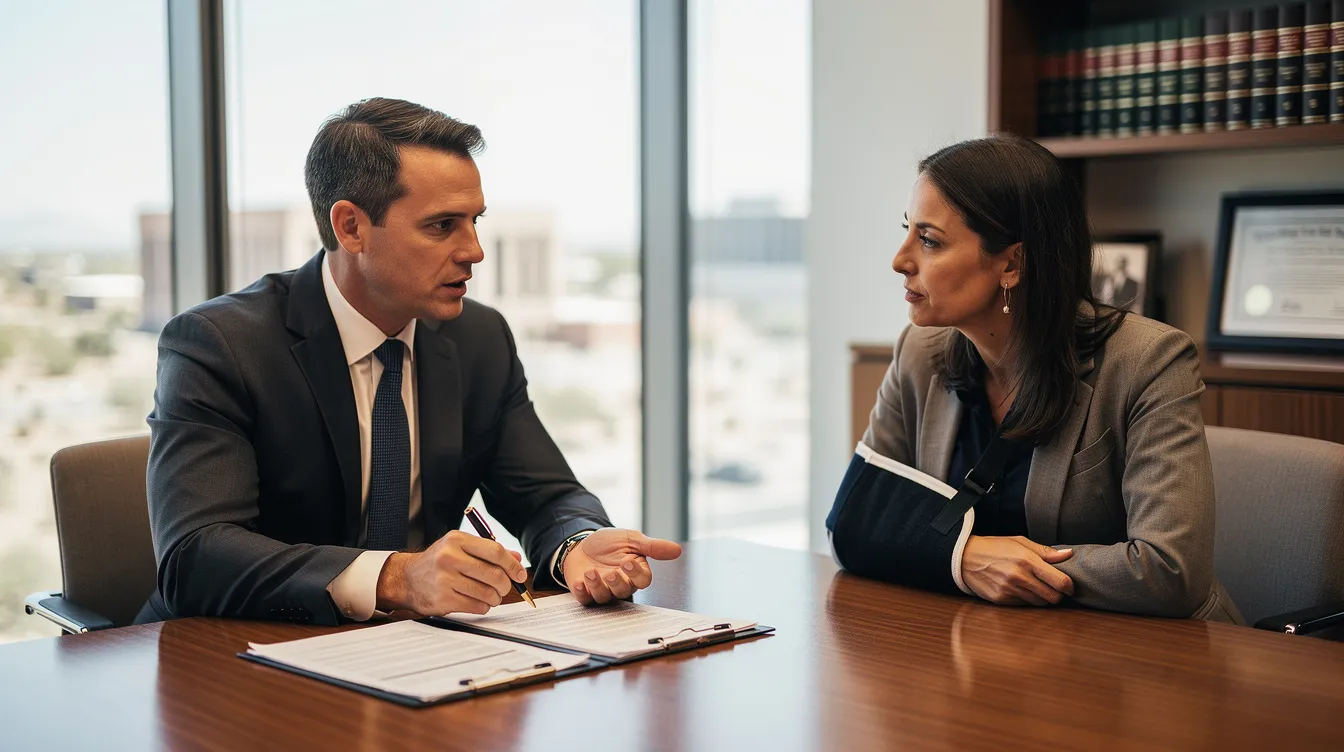
An experienced personal injury attorney can help injured clients navigate the complex legal process involved in a car accident claim.
Legal professionals often begin by identifying all potential insurance policies, preserving evidence, and coordinating the investigation of the accident.
A law office may also communicate directly with insurance companies, reducing the risk that victims inadvertently say something that could weaken their injury claim.
Preparation for potential civil litigation may include gathering evidence and expert analysis that can be relevant during settlement discussions.
Trial Preparation and Evidence Strategy
Preparing a case for trial often increases leverage during settlement negotiations.
When a law firm gathers medical documentation, accident reconstruction analysis, and expert opinions early, it creates a stronger foundation for a personal injury lawsuit.
This preparation can help ensure that medical expenses, lost wages, and other damages are properly documented and evaluated.
A careful legal strategy may also address disputes involving fault, insurance coverage, and liability for property damage.

Immediate Steps After a Car Accident to Protect an Injury Case
The actions taken immediately after an accident can influence the strength of a personal injury claim.
Seeking medical care right away helps protect both physical health and the documentation required for a legal case.
Prompt treatment also creates a timeline linking the injuries to the car accident, which can be important when insurers evaluate claims.
Following all recommended follow up treatment helps demonstrate the seriousness of injuries and supports claims for medical expenses.
Documenting the Scene and Gathering Key Details
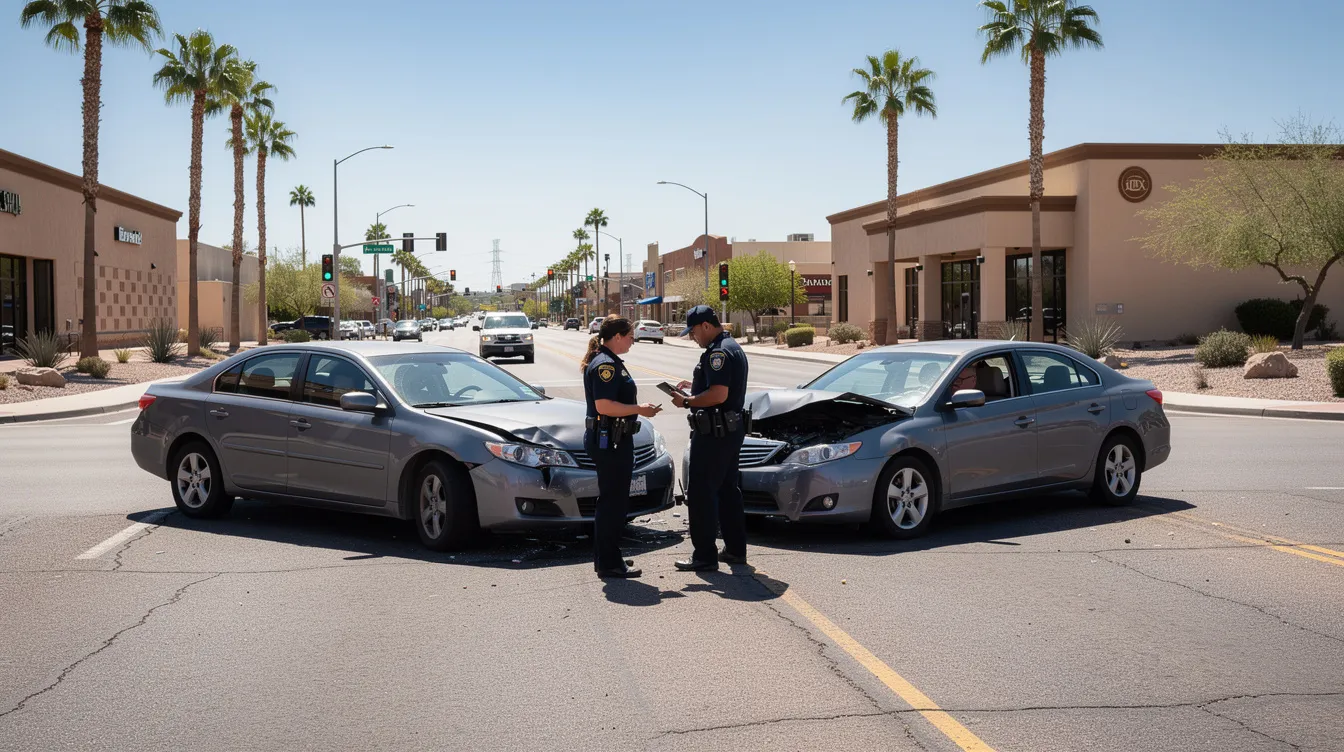
Collecting evidence at the crash site can help establish liability.
Photographs of vehicle damage, road conditions, traffic signals, and the location of a stop sign can provide valuable context.
Obtaining names and contact information from witnesses can support later witness statements that clarify what occurred.
Drivers should also request the case number associated with the official police reports, which often contain key investigative findings.
Communicating Carefully With Insurance Adjusters
Communication with insurers should be factual and limited.
Victims should notify their own insurance provider of the accident, but avoid detailed discussions about fault until they have a clear understanding of their legal options.
Statements that appear to admit responsibility, even casually, may later be interpreted as admissions of liability.
Once a person is represented by an attorney, insurance companies typically communicate directly with the lawyer regarding the claim.
When to Contact a Personal Injury Attorney in Arizona
In many situations, contacting a personal injury attorney early can help protect the value of a car accident claim.
Legal guidance may be particularly important when serious injuries are involved, when liability is disputed, or when multiple insurance policies may apply.
Early involvement allows attorneys to help preserve evidence, review applicable Arizona law, and assist with meeting important legal deadlines.
Hiring the right legal team with specialized experience can also help injured individuals understand how insurance coverage and liability rules may affect their potential financial recovery.
Closing: Avoiding These Common Mistakes Improves Your Injury Case
Mistakes made during the early stages of an injury claim often have long-lasting consequences.
Actions such as giving statements, signing releases, or accepting a quick settlement without understanding the full impact of injuries can reduce potential compensation.
Avoiding these common mistakes and seeking legal guidance may help injured individuals better understand their rights and legal options after a car accident.
For more information about pursuing an injury claim after a crash, you may contact Harris Injury Law at (480) 800-4878 to request a free consultation. Contacting the firm does not create an attorney-client relationship unless a formal agreement is signed.