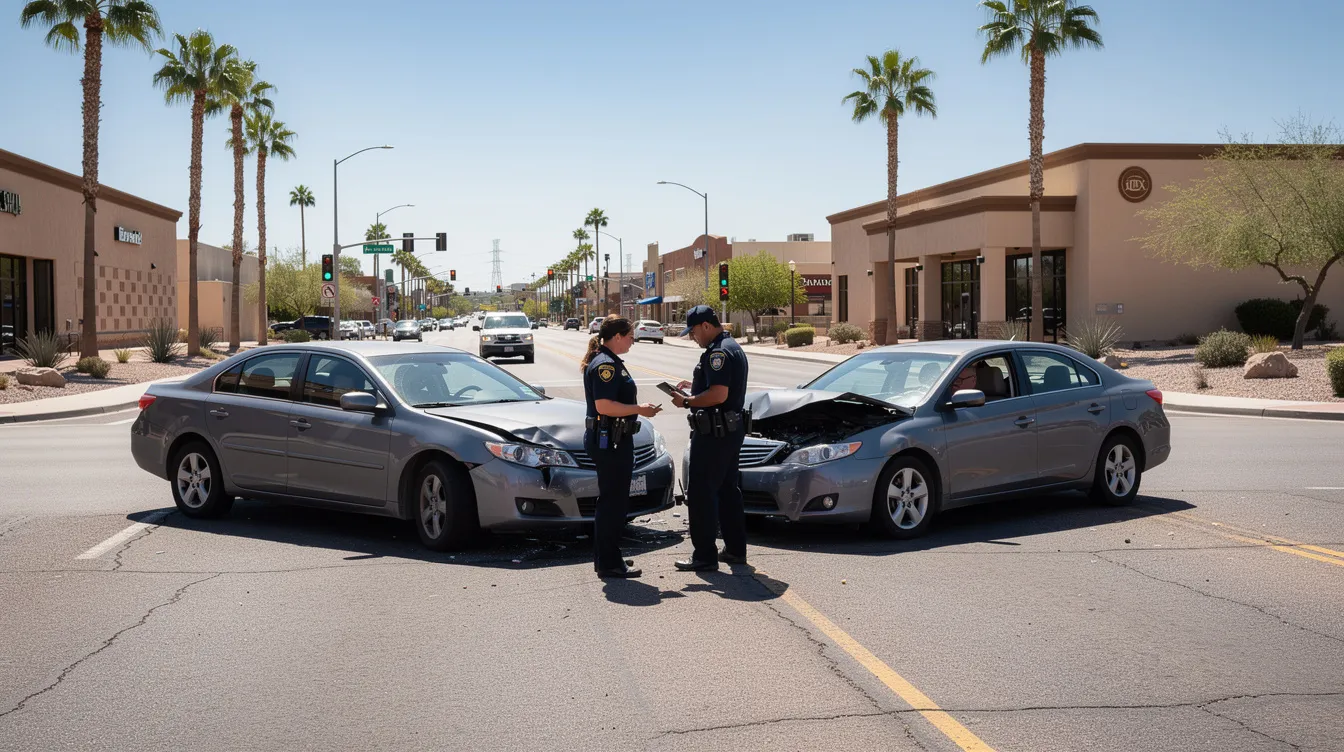
Teen drivers face some of the highest crash risks in the country, and Arizona has created detailed rules to help young drivers gain experience safely. Understanding teen driving laws in Arizona isn’t just about passing a test, it’s about protecting young drivers, their passengers, and everyone on the road.
This guide breaks down Arizona’s teen driving laws, using official information from the Arizona Department of Transportation (AZ DOT) and the Arizona Governor’s Office of Highway Safety (GOHS). It also explains how an auto accident lawyer in Phoenix residents trust, Harris Injury Law, supports families after teen-related crashes.
Understanding Arizona’s Graduated Driver License (GDL) System
Arizona uses a Graduated Driver License (GDL) system designed to help teen drivers gain experience while limiting high-risk situations. The rules follow guidelines from the Arizona Department of Transportation (AZ MVD).
The GDL system has three stages:
- Graduated Instruction Permit (learner’s permit)
- Provisional License (first six months)
- Full, unrestricted driver’s license
These laws help young drivers stay safe, reduce distractions, and promote responsible driving habits.
The Graduated Instruction Permit (Learner’s Permit)
Teen drivers may apply for the graduated instruction permit at age 15½. According to AZ MVD, this permit allows the teen to practice driving only with a licensed driver age 21 or older in the passenger seat.
Requirements for the Permit:
- Must pass a written driving test
- Must show proof of identity and residency
- Must always drive with a licensed adult or legal guardian
- Must complete supervised practice hours to gain experience
This stage teaches new drivers how to navigate the vehicle, manage speed, understand Arizona’s driving laws, and develop safe early habits.
Arizona’s Provisional License (First Six Months)
Once the teen earns a provisional license, Arizona imposes restrictions to ensure safety during the highest-risk period of learning.
Per the Arizona Governor’s Office of Highway Safety (GOHS), the first six months of driving include:
1. Nighttime Driving Restrictions
Teens cannot drive between 12:00 a.m. and 5:00 a.m. unless:
- A legal guardian or licensed driver age 21+ is in the passenger seat
- The teen is driving to/from school, work, church, or an emergency
Nighttime driving poses increased danger for young drivers, who are more likely to experience fatigue and reduced visibility.
2. Passenger Limits
For the first six months, the teen cannot drive with more than one passenger under 18 unless:
- A parent or legal guardian is present
- The passengers are siblings
These passenger limits significantly reduce distractions and improve safety, as supported by GOHS teen safety data.
Full Driver License for Arizona Teens
After completing the provisional period, Arizona teens receive a full license with normal driving privileges. However, parents should still encourage:
- Continued safe driving behaviors
- Avoiding distractions at the wheel
- Respect for curfew, even when not legally required
- Awareness of “high influence” situations like peer pressure and late-night driving
Young drivers face unique challenges, and parental guidance continues to play a major role in keeping young drivers safe.
Key Teen Driving Laws in Arizona Every Parent Should Know
Distracted Driving Law
Arizona prohibits handheld phone use under A.R.S. §28-914, enforced through GOHS’ statewide safety initiative. Teens cannot:
- Text while driving
- Hold a device to make calls
- Browse or take photos
Hands-free only.
Seat Belt Requirements
Under Arizona law, all drivers and passengers must wear a seat belt. A supervising adult must verify that the teen driver and any passengers are properly restrained before proceeding.
Passenger Seat Requirements
Children under certain ages must ride in proper car seats per A.R.S. §28-907, though teens typically sit in standard seats with age-appropriate seat belts.
Parents should also teach teens not to let passengers ride in unsafe positions that significantly impact balance, control, and visibility.
What Happens If a Teen Violates GDL Rules?
The AZ MVD outlines penalties such as:
- First violation: Traffic survival school
- Second violation: Three-month license suspension
- Third violation: Six-month suspension
Violations may also affect:
- Driving privileges
- Insurance rates
- Financial responsibility (for parents)
These rules exist to ensure safety and prevent teen-related crashes.
How Teen Driving Laws Affect Insurance
Insurance companies monitor incident reports, safe driving, and violations. Teen drivers can cause:
- Higher premiums
- Added risk classifications
- Limited coverage options
- Stricter policy requirements
Insurance providers also look at accident history, which can stay on a teen’s record for several years depending on the insurer’s policies.
Parents should talk with their insurance agent about:
- Teen driver discounts
- Safe driving programs
- Monitoring apps
- Risk-reduction strategies
Why Teen Drivers Face Higher Accident Risks
According to GOHS research:
- Teen brains process risk differently
- Passengers have more influence on teen behavior
- Teens overestimate their driving abilities
- Teens respond slower in emergencies
These factors lead to a higher number of:
- Auto accidents
- Rear-end collisions
- Nighttime crashes
- Distracted driving incidents
Understanding these risks empowers parents to encourage safer driving decisions.
When Teen Accidents Occur: How Harris Injury Law Helps
Despite rules, supervision, and good intentions, teen driving accidents still occur. When a teen causes or suffers an accident, families often feel overwhelmed, not just from injuries, but also from the legal process, insurance disputes, and determining fault.
That’s where Harris Injury Law, an auto accident lawyer in Phoenix families rely on, provides the support parents need.
How the Firm Helps Families
- Investigates the incident and gathers crucial pieces of evidence
- Handles communication with the insurance company
- Protects parents and teens from unfair fault determinations
- Manages personal injury claims involving teenagers
- Ensures injured parties receive fair compensation for medical treatment, lost wages, and emotional distress
Teen accidents often involve complex liability issues, especially when multiple passengers or vehicles are involved. Harris Injury Law helps families navigate these challenges with confidence.
Realities Teens and Parents Must Understand After an Accident
After a teen driving incident:
- The teen’s driving record is impacted
- Insurance premiums may increase
- The other driver’s claim may allege reckless behavior
- Passengers may file injury claims
- AZ MVD may impose restrictions or suspensions
Early legal representation helps ensure families do not make mistakes that significantly impact long-term outcomes.
Promoting Safer Teen Driving in Arizona
Parents should reinforce safe habits such as:
- Wearing seat belts every ride
- Avoiding all phone use
- Not speeding
- Staying off the road at night when possible
- Limiting new teen driver passengers
- Understanding the risks of distraction and influence
Programs through GOHS and local schools also teach teens how to identify dangers and make informed choices behind the wheel.
When to Call Harris Injury Law
If your teen has been involved in a teen driving accident, it’s important to speak with an attorney early. The firm offers:
- A free consultation
- 24/7 availability
- Guidance through the insurance and claims process
- Protection for both teens and parents
- Help identifying fault and ensuring compensation
Parents deserve clarity. Teens deserve protection. And families deserve an advocate who understands the laws, restrictions, and real-world challenges teen drivers face in Arizona.