An injury at another company’s property raises two questions. Does workers’ compensation cover the accident? Could the client or another company also face liability?
Arizona law covers qualifying work injuries wherever they occur. A third-party claim may exist if someone outside the worker’s employment caused the injury. A hurt at work lawyer investigates both possibilities before evidence disappears.
Delivery drivers, technicians, maintenance workers, and subcontractors visit client sites across Phoenix, Mesa, Tempe, Glendale, and Maricopa County.
Does Arizona Workers’ Compensation Cover an Injury at a Client’s Site?
Yes, an off-site injury may qualify if it arises out of and in the course of employment. A.R.S. § 23-1021 covers qualifying injuries wherever they occur. The worker’s assigned duties and reason for being there matter. See Harris’s guide to the Arizona workers’ compensation system.
Arizona law requires an employee to report the accident and injury to the employer forthwith under A.R.S. § 23-908(E). Reporting to a supervisor is not the same as filing a written claim with the Industrial Commission of Arizona. A claim generally must be filed within one year, subject to statutory rules and exceptions. The Commission provides its Worker’s Report of Injury form.
Can You Sue Another Company for an Injury on Its Property?
Possibly. Under A.R.S. § 23-1023(A), a qualifying employee may pursue a claim against another person outside the worker’s employment. That person must have caused the injury through negligence or another wrongful act. The worker must prove the third-party claim. Property ownership alone does not establish liability.
A client, building owner, maintenance company, contractor, or equipment supplier may warrant investigation. The worker must prove duty, breach, causation, and damages. Notice, control, and the worker’s status also matter. Arizona’s comparative-negligence law may reduce damages based on the worker’s share of fault.
When Can a Contractor or Property Owner Face Liability?
A general contractor may owe subcontractors’ employees a safe-worksite duty. That may apply when it contractually assumes safety responsibility and retains control over the actual work. Lewis v. N.J. Riebe Enterprises, Inc. explains that this duty concerns the work, not simple site control.
A separate premises-liability test applies to a company accused of controlling the property. In Dabush v. Seacret Direct LLC, the Arizona Supreme Court found no duty because subtenants lacked legal and actual roof control. Control involved authority to exclude others and direct maintenance. The court clarified that Lewis concerned control over subcontractor work, not general property conditions. A contractor may face liability for harm caused by its own repair or activity, but not every nearby hazard.
On a Phoenix construction site, access coordination differs from directing tasks or controlling maintenance. Contracts and job instructions help identify responsibility.
OSHA’s multi-employer worksite policy identifies creating, exposing, correcting, and controlling employers. OSHA enforcement does not automatically prove civil negligence under Arizona law. It can help identify safety duties worth investigating.
Who Is Your Employer When You Work at a Client’s Location?
The staffing agency that pays you may not be the only employer. A.R.S. § 23-902 addresses contractors and work performed under another employer’s supervision or control. A special-employer relationship can affect whether you may sue that company.
In Lee v. M&H Enterprises, Inc., a staffing agency supplied a worker to a general contractor at a Sam’s Club construction project. The Arizona Court of Appeals found that the general contractor qualified as the worker’s special employer on the facts. The test asks whether a contract of hire existed and whether the work belonged to the special employer. It also asks who controlled the work’s details. The court also upheld judgment for the property owner on those facts.
That result matters because A.R.S. § 23-1022 generally makes workers’ compensation the exclusive remedy against an employer and co-employee acting within the scope of employment. A company you call a client may have a different legal status than you assumed. A workers’ compensation lawyer should review the staffing arrangement, contracts, instructions, and actual control before identifying a potential third party.
What Does a Hurt at Work Lawyer Investigate After a Client-Site Accident?
A hurt at work lawyer identifies the companies involved and the source of the hazard. The lawyer also examines who controlled the work or area. The investigation connects the accident to evidence, medical findings, and each party’s legal duties.
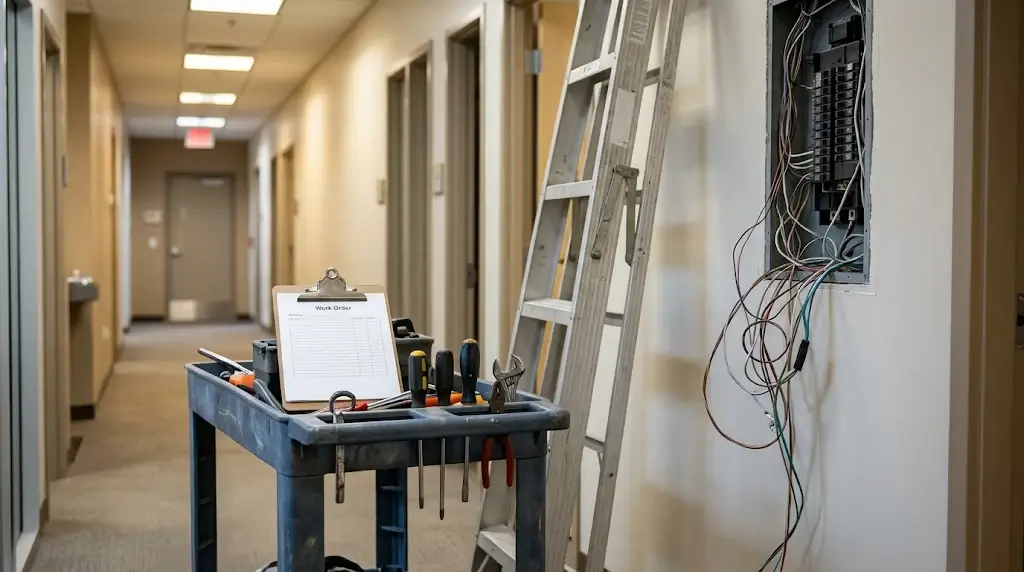
A work injury lawyer may review work orders, service agreements, dispatch records, contracts, and job instructions. Evidence may include security footage, access logs, incident reports, maintenance records, witness accounts, medical records, and wage details.
Video footage may be overwritten. A lawyer may request preservation, inspect the location, interview witnesses, identify insurers, and consult experts.
When comparing hurt at work lawyers, ask who investigates the site and handles overlapping claims. A workplace injuries lawyer should not treat every accident as a routine compensation file. The facts may point to a separate premises, contractor, or product claim.
Can You Receive Workers’ Compensation and Sue Another Company?
Yes, both claims may proceed when the worker qualifies for compensation and a separate third party caused the injury. Workers’ compensation can provide medical and wage-loss benefits. A successful third-party claim may also recover damages that workers’ compensation does not pay, including pain and suffering. No recovery is automatic. The worker must prove the third party’s legal responsibility.
A.R.S. § 23-1023 governs this process. Harris also explains the broader workers’ compensation and third-party claim framework. The carrier may have a lien against the amount collected from the third party. The statute deducts reasonable recovery expenses, including attorney fees, actually spent securing it. It does not impose an automatic one-third lien reduction. The worker must give written notice of the planned action and update the carrier on pleadings and rulings. The carrier may intervene. A compromise below the compensation and medical benefits payable requires written approval.
The statute contains a separate one-year assignment provision. Harris discusses the timing issue in its separate guide to Arizona workers’ compensation and third-party claim deadlines. The assignment rule applies if the employee does not institute an action within one year after accrual. The claim may then pass to the carrier or self-insured employer. The statute also covers dismissed actions, carrier rights, and reassignment. This is not a rule that every claim simply expires after one year.
What Should You Do After an Injury at a Client’s Property?
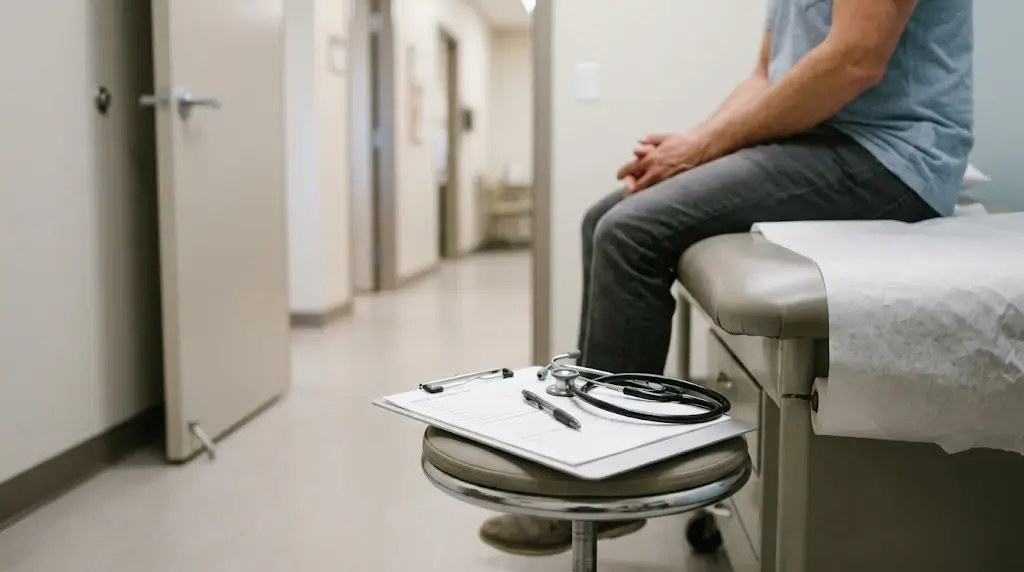
Get medical attention, report the accident, and record the facts. Tell the treating provider the injury happened during work. Give your employer an accurate account. Identify the location, task, witnesses, and hazard.
Take photographs when safe. Save texts, work orders, and incident details. Ask that video and maintenance records be preserved. Keep medical and wage records. Do not guess about fault or sign a settlement too soon.
The Industrial Commission of Arizona provides worker claim forms and filing instructions. A written claim generally must reach the Commission within one year under A.R.S. § 23-1061. That filing requirement is separate from the prompt accident report required by A.R.S. § 23-908(E).
When Should You Contact a Work Injury Attorney?
Consider legal advice when another company may have caused the accident, responsibility is disputed, or several businesses controlled the site. Counsel may also help when an insurer disputes coverage, treatment, or benefits.
A search for a work injury attorney near me often follows a serious accident or dispute. Ask whether the attorney handles both workers’ compensation and third-party claims. Ask who will review contracts, preserve evidence, explain any carrier lien, and update you.
Harris Injury Law represents injured workers and handles personal injury matters in Phoenix and across Arizona. Attorney Jason A. Harris has practiced personal injury law since 2006, according to the firm’s website. The firm handles workers’ compensation and personal injury matters. Learn about speaking with a phoenix personal injury lawyer about a third-party claim. You can also request a consultation. Contact Harris Injury Law, PLLC through its website. This information is general and does not create an attorney-client relationship.
Frequently Asked Questions
What Are an Employee’s Responsibilities If an Injury Occurs at Work?
Seek medical care, report the accident to your employer forthwith, and provide accurate details. Preserve photographs, witness information, and relevant work records. File the written workers’ compensation claim with the Industrial Commission within the applicable deadline.
How Much Compensation Do You Get for an Injury at Work?
There is no single amount. Temporary total disability generally pays 66 2/3% of average monthly wages under A.R.S. § 23-1045. For injuries from January 1 through December 31, 2026, Arizona caps the average monthly wage at $6,131. That makes the base temporary total benefit about $4,087.33 per month, before any applicable dependent allowance. Other benefits use different calculations. A separate third-party claim may include pain and suffering if liability is proven.
What Do Injury Attorneys Do?
Injury attorneys investigate, identify responsible parties, preserve evidence, review medical and wage records, address insurance, and pursue claims. In a client-site case, they also examine contracts and who controlled the premises or work.
What If My Employer Says I Was on Personal Time When I Got Hurt?
That statement does not decide coverage by itself. The activity, location, timing, and connection to assigned work matter. Report the facts accurately and preserve any work instructions or messages.
What Evidence Should I Preserve After an Accident at a Client’s Property?
Keep photographs, witness details, incident reports, work orders, messages, and medical records. Ask the client to preserve relevant video and maintenance records. Do not assume the site will retain footage indefinitely.
Should I Hire My Own Lawyer After an On-the-Job Injury?
Independent advice may help when another company caused the hazard, several businesses controlled the site, or an insurer disputes coverage. Ask whether the lawyer handles both workers’ compensation and third-party claims.
Can I Sue a Client If I Already Receive Workers’ Compensation?
Possibly. A.R.S. § 23-1023 may allow a claim against a negligent third party outside the employee’s own employment. But a client may qualify as a special employer. The relationship and control facts need legal review.
Speak With a Hurt at Work Lawyer About Your Legal Options
An injury at a client’s property may involve more than workers’ compensation. Another company may also bear responsibility for an unsafe condition or negligent work.
A hurt at work lawyer at Harris Injury Law reviews the accident, explains your potential legal options, and helps you understand the next steps.
Call (480) 800-4878 or contact us online to tell us where the accident happened, what caused it, and which companies were involved.
This article provides general information, not legal advice. Reading it or contacting the firm does not create an attorney-client relationship. Each claim depends on its facts and applicable law.
Reviewed by Jason A. Harris, Attorney, Harris Injury Law, PLLC.