Distracted driving happens when a driver’s eyes, hands, or mind move away from the task of safe driving. In Phoenix rideshare crashes, driver app distraction can be especially dangerous because an Uber driver may be navigating, responding to ride alerts, checking the Uber app, talking with passengers, watching traffic, and preparing for pick up at the same time. If you were injured, a Phoenix Uber accident attorney at Harris Injury Law can help you understand your legal options.
Phoenix Uber accidents often happen in a difficult driving environment: airport congestion, freeway merges, sudden stops, turn signals missed in traffic, and drivers work patterns that keep many Uber drivers on the road for long hours. Uber’s own safety reporting states that over 99.9% of rides occur without a critical safety incident, but tragic accidents still happen, and even one serious accident can change a person’s life.
The risk is not limited to texting. Using an app-enabled phone for navigation, trip acceptance, rider messages, and route updates can involve two complex tasks at once: operating a vehicle and processing digital information. The National Highway Traffic Safety Administration (NHTSA) reports that distracted driving killed 3,208 people and injured 315,167 people in 2024.
Uber’s own help materials state that drivers generally have about 15 seconds to decide whether to accept a trip request. If an Uber driver does not respond within that short window, the request may pass to another driver, which means the driver can lose that fare opportunity. That does not prove every Uber accident is caused by app use, but it explains why app alerts, phone interaction, and response timing may become important evidence after a crash.
Industry estimates often describe Uber’s U.S. driver pool as very large, sometimes around 900,000 active drivers, although daily-active driver counts are not consistently reported in public sources. Some Uber drivers may also work over 50 hours a week, and long hours on the road can increase fatigue, reaction-time issues, and crash exposure.
Common App Distractions for Uber Drivers
Driver app distraction usually falls into three categories: visual distractions, manual distractions, and cognitive distractions.
Visual distraction happens when the rideshare driver looks away from the road to check the rideshare app, map route, rider message, fare alert, or phone notification. At freeway speeds, even a short glance can prevent a driver from seeing stopped vehicles, pedestrians, lane changes, or a yield failure ahead.
Manual distractions happen when the driver takes one or both hands off the wheel. This may include tapping to accept a ride, adjusting navigation, swiping through the Uber app, sending a message, or moving the phone mount.
Cognitive distractions happen when the driver is mentally focused on something other than driving. A driver may be cognitively distracted by the next ride request, surge pricing, passenger directions, airport pickup pressure, or switching between Uber and Lyft. Inattention blindness can also occur when a person looks toward the road but fails to process hazards in the driving environment.
Driver-distraction research has found that cognitive distraction can reduce a driver’s ability to notice roadway hazards. In a rideshare crash, whether inattention played a role depends on the facts and available evidence. In practical terms, a distracted rideshare driver may appear to be looking forward but still fail to register brake lights, a pedestrian, a cyclist, a lane change, or a vehicle stopped ahead.
Why App Distraction Matters in an Uber Accident Claim
A distracted Uber driver may be liable when unsafe app use causes or contributes to an accident. Evidence matters because insurance companies may argue that the crash was caused by traffic, another motorist, poor road design, sudden stops, or the injured person’s own conduct.
Critical evidence may include phone records, app status data, dashcam footage, passenger screenshots, witness statements, the police report, traffic camera footage, vehicle damage photos, and timestamped trip records. If the crash involved a rideshare vehicle near an intersection, freeway ramp, or airport lane, accident reconstruction experts may help determine whether the driver had enough time to react.
The 2018 Uber automated test vehicle crash in Tempe remains an important safety example because the National Transportation Safety Board (NTSB) found that the backup driver’s attention was diverted before the fatal pedestrian strike. While that case involved autonomous testing, it highlights a core point that also matters in ordinary rideshare accidents: a driver must monitor the road with full attention.
Traffic-safety sources identify distracted driving as a recurring issue in crash investigations. Whether distraction contributed to a specific Uber accident depends on the evidence in that case.
Because rideshare drivers may spend more time on the road than many other drivers, crash exposure can be an important issue in rideshare accident investigations. That does not prove fault in any individual case.
Injuries After a Rideshare Accident
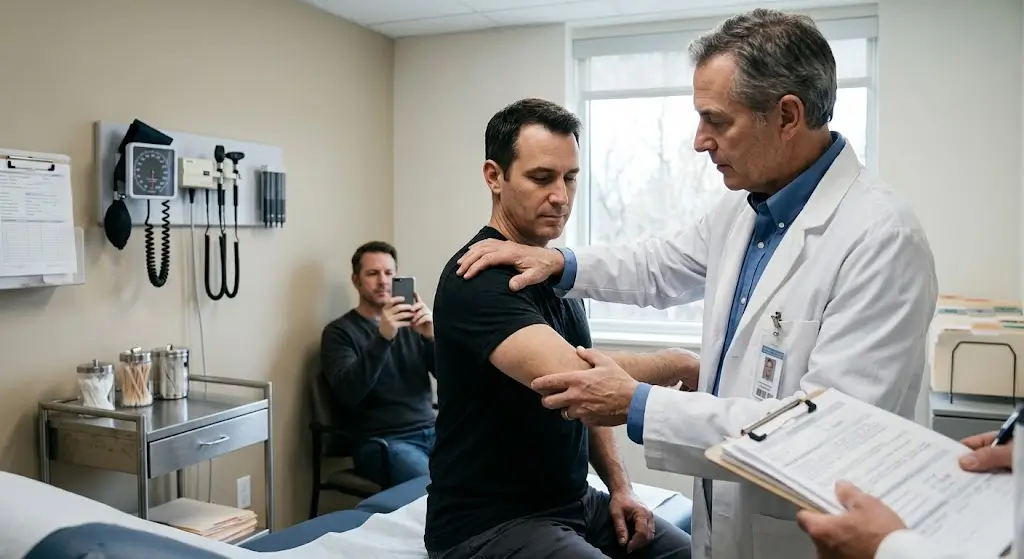
Passengers, drivers, pedestrians, cyclists, and occupants of other vehicles can suffer serious injuries in an Uber accident. Common injuries include neck injuries, whiplash, broken bones, head injuries from hitting windows or airbags, soft tissue trauma, back injuries, herniated discs, spinal damage, nerve damage, internal injuries, and bodily injury that may worsen after the crash.
Whiplash is common in rideshare accidents because a passenger may not anticipate impact, especially during rear-end crashes, abrupt lane changes, sudden stops, or hard braking near a pick up zone. Neck pain, stiffness, headaches, shoulder pain, numbness, and nerve symptoms should be documented early.
Soft tissue injuries can also limit movement for weeks or months. Whiplash, sprains, strains, ligament injuries, and muscle trauma may affect sleep, work, driving, childcare, and ordinary movement long after the crash scene is cleared.
Rideshare crashes can also involve broken bones, including fractures of the wrists, arms, ribs, legs, ankles, face, or collarbone. A doctor may order X-rays, CT scans, or additional imaging when symptoms suggest deeper trauma.
Internal injuries can be life-threatening if untreated. Anyone with abdominal pain, dizziness, fainting, chest pain, shortness of breath, deep bruising, or worsening symptoms should seek medical attention immediately.
Medical Attention and Documentation
Medical attention protects your health and your personal injury claim. After a serious accident, do not assume you are fine because pain is delayed. Adrenaline can mask symptoms for hours or days.
Tell every medical provider that the injuries came from an Uber accident. Keep medical records, imaging results, treatment notes, prescriptions, discharge papers, referrals, physical therapy records, and medical bills.
Also keep a simple recovery journal. Note pain levels, sleep issues, missed work, reduced mobility, emotional stress, childcare problems, and daily activities you can no longer do. These details may support compensation for economic and non-economic damages.
Insurance Coverage for Phoenix Rideshare Accidents
Uber’s insurance coverage varies based on driver status during accidents. If the app is off, the driver’s personal auto insurance usually applies. If the driver is logged in and waiting for a ride request, lower TNC coverage may apply. If the driver is en route to pick up a passenger or transporting a passenger, higher coverage may apply.
Uber states that when a driver is en route or on a trip, it maintains at least $1 million in coverage for property damage and injuries to riders and third parties involved in an accident. Uber also describes contingent comprehensive and collision coverage, but vehicle damage coverage depends on policy terms and whether the driver has personal comprehensive and collision coverage.
Uber and Lyft have reported motor vehicle fatality rates below national averages in their safety reporting. However, company-wide safety rates do not decide an individual injury claim. A Phoenix Uber accident claim still depends on the specific facts: driver conduct, app status, insurance coverage, medical proof, vehicle damage, and whether distraction contributed to the crash.
Arizona law also makes app status evidence important. Under Arizona Revised Statutes § 28-4038, transportation network companies and insurers must cooperate in claims coverage investigations, including exchanging precise driver log-on and log-off times for the 24 hours before the accident.
Filing an Injury Claim After Phoenix Uber Accidents
An injury claim starts with evidence. Save photos of the car, rideshare vehicle, other vehicles, debris, skid marks, traffic lights, road signs, property damage, visible injuries, and the crash location.
Gather names, phone numbers, email addresses, and statements from eyewitnesses. Ask for the police report number and request a copy when available.
Preserve app trip data immediately. Screenshot the ride receipt, driver profile, route, pickup and drop-off details, fare record, timestamps, messages, and any safety report filed through the Uber app. If the trip involved Uber Lyft issues or another rideshare app, preserve those records too.
Economic damages may include medical bills, lost wages, reduced earning ability, transportation costs, therapy, medication, medical equipment, and out-of-pocket expenses. Non-economic damages may include pain, emotional distress, loss of enjoyment, and the impact of injuries on family life.
What a Phoenix Rideshare Accident Attorney Will Do
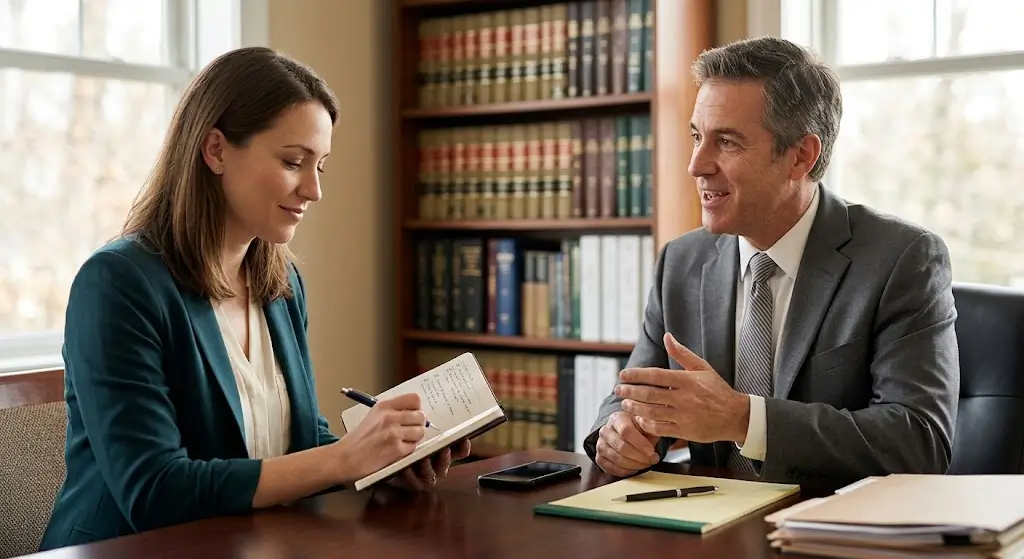
A Phoenix rideshare accident attorney can investigate liability, identify additional parties, and determine which insurance company should respond. This may include the Uber driver, another driver, a commercial vehicle operator, a government entity, a maintenance provider, or other rideshare companies depending on the facts.
Harris Injury Law’s accident attorneys handle Arizona personal injury matters involving cars, rideshare vehicles, pedestrians, and serious injury claims. The law firm can help collect evidence, preserve app records, review medical documentation, communicate with insurers, and pursue fair compensation available under Arizona law.
A lawyer may also request phone records, app data, driver shift logs, driver employment or contractor records, vehicle inspection records, and surveillance footage. If settlement discussions falter, the firm can continue pursuing legal options, including litigation if necessary.
When Distracted Drivers Are at Fault
Distracted drivers may be at fault when evidence shows they failed to keep a proper lookout, followed too closely, missed turn signals, ignored a red light, drifted lanes, made an unsafe turn, or reacted too late.
Distraction evidence may include a passenger who saw the driver using the phone, a dashcam angle showing head movement, app alerts before impact, sudden braking data, delayed reaction time, inconsistent driver statements, or witness testimony.
The Insurance Institute for Highway Safety (IIHS) has reported increased smartphone-app use among gig-economy drivers. This does not prove fault in any individual case, but it may explain why phone and app evidence can be important in a rideshare crash investigation.
National distracted-driving data also shows why phone-related evidence can matter. In 2017, more than 34,000 police-reported crashes were linked to distracted driving in some federal crash-data summaries, and NHTSA reported that 3,166 people were killed in distracted-driving crashes that year.
Phoenix Sky Harbor Pickup Risks
Phoenix Sky Harbor International Airport creates unique risks because many riders, drivers, shuttles, taxis, pedestrians, luggage carts, and vehicles move through confined airport zones. Phoenix Sky Harbor pickup areas can involve sudden stops, merging vehicles, pedestrians crossing lanes, and drivers trying to locate as many riders as possible.
The official Phoenix Sky Harbor rideshare page identifies rideshare pickup and drop-off areas at airport locations, including terminal rideshare areas and PHX Sky Train stations. If an accident occurs near the international airport, record the exact terminal, door number, curb area, lane, timestamp, and trip details.
Airport surveillance footage may not be stored forever. Early legal action can help request relevant video, app status data, and witness information before records are deleted or overwritten.
Immediate Steps After an Uber Accident
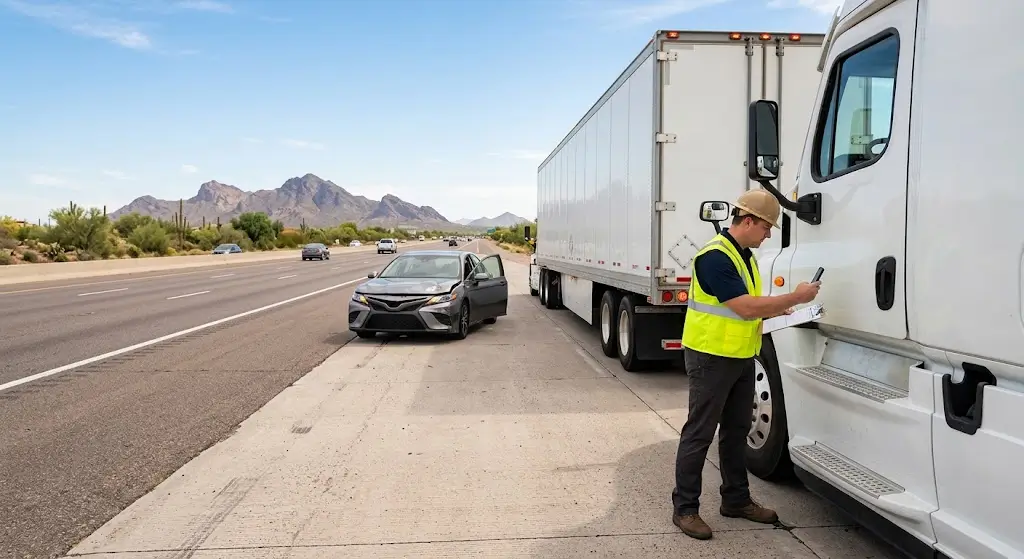
First, secure the scene if you can do so safely. Move away from traffic, check yourself and others for injuries, and call 911 for emergency help.
Second, seek medical attention. Accept emergency evaluation if needed, and follow up quickly if symptoms appear later.
Third, report the accident to police and ask how to obtain the police report. Report the crash through the Uber app, but avoid admitting fault or guessing about what happened.
Fourth, collect evidence. Take photos, save app screenshots, get witness contacts, note weather and traffic conditions, and preserve damaged personal items.
Fifth, avoid giving recorded statements to an insurance company before understanding your rights. Insurers may ask questions designed to minimize the claim.
Finally, contact a Phoenix rideshare accident attorney promptly. Early intake can help preserve critical evidence before phone, app, dashcam, airport, or business records disappear.
Resources and Free Consultation
More posts that may support this topic include guides on Uber and Lyft accident claims, Phoenix car accident claims, uninsured motorist issues, and how medical documentation affects personal injury compensation. For broader crash guidance, you can also review our Phoenix car accident lawyer and Phoenix personal injury lawyer resources.
If you or a loved one was injured in Phoenix Uber accidents caused by a distracted driver, Harris Injury Law is available to help you explore your legal options. You deserve clear answers, careful evidence review, and a legal team that understands how rideshare accident claims work in Arizona.
Call Harris Injury Law at (480) 800-4878 or contact us for a free consultation. Please do not send confidential or sensitive information through this website until an attorney-client relationship has been established.
The firm offers contingency fee arrangements, meaning attorney fees are owed only if compensation is obtained for you. Case costs and expenses, and whether you may be responsible for them, will be explained in the written fee agreement.