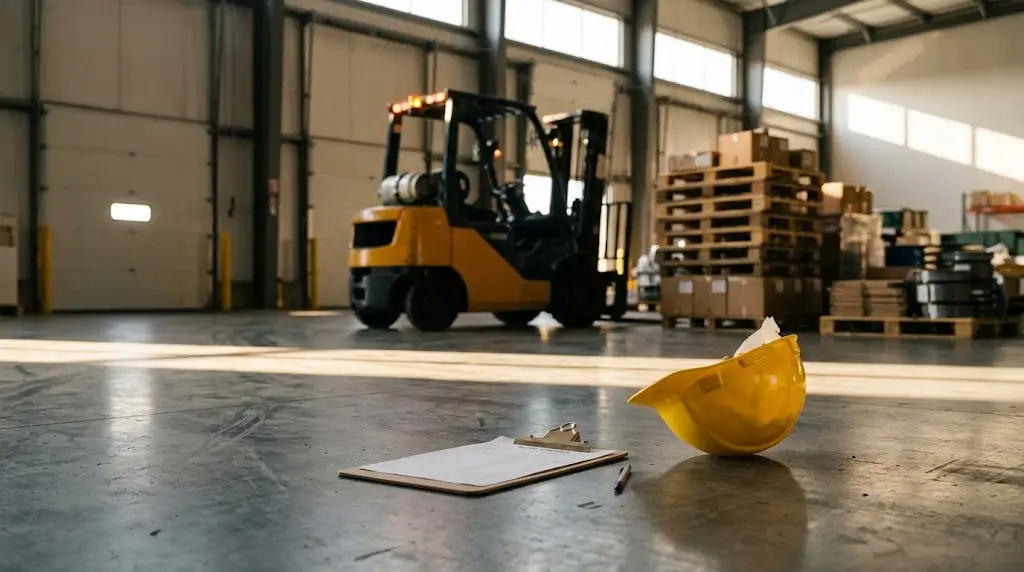
A positive drug test after a workplace injury does not automatically end your Arizona workers’ compensation claim. A work accident attorney can review the test, the accident, and the law that applies. The key question is not just whether a test detected a substance. Your claim also depends on whether the injury arose out of and occurred during employment. A carrier may rely on a test when it disputes a claim. Yet a positive result alone does not settle every issue. Arizona law and the facts of the accident both matter.
Can You Get Workers’ Compensation After Failing a Drug Test in Arizona?
Yes, you may still qualify. Arizona does not treat every positive workplace drug test as an automatic bar to benefits.
A.R.S. § 23-1021 generally provides compensation for an employee injured in an accident arising out of and during employment. The section excludes an injury that the employee purposely inflicted on themself. Article 18, Section 8 of the Arizona Constitution also protects qualifying work injuries. It covers injuries that a necessary employment risk or danger causes or contributes to.
The Arizona Supreme Court explained this rule in Grammatico v. Industrial Commission, 211 Ariz. 67, 117 P.3d 786 (2005). Both workers tested positive after workplace accidents. One worker fell while wearing drywall stilts. Another suffered an injury while working on a conveyor belt. The Court rejected former statutory provisions that denied benefits despite possible contributions from necessary employment risks.
That ruling does not make every injury compensable. You must still establish legal and medical causation. Legal causation asks whether the accident arose out of and occurred during employment. It also asks whether an employment risk or the employer’s lack of due care contributed. Medical causation asks whether the accident caused the claimed injury.
The current text of A.R.S. § 23-1021 does not contain the former intoxication subsections considered in Grammatico. Do not confuse those former provisions with the current statute. A positive result may still affect the evidence. It does not replace the required analysis of the accident and injury. The worker must establish the required connection. The insurer may challenge whether work contributed or medical evidence links the accident to the injury. But a positive test alone does not create an automatic intoxication bar. The worker’s own conduct does not erase an employment risk that contributed to the injury.
Does a Positive Drug Test Prove You Were Impaired?
No. A positive result does not, by itself, prove impairment at the time of the accident.
A test detects a substance or its metabolites. It may not show when a person used the substance or whether it affected their ability to work. The meaning depends on the substance, specimen, test method, collection time, and other evidence. THC results raise this issue often because metabolites may remain detectable after the effects have passed.
The accident itself also matters. Imagine a coworker loses control of a forklift and strikes you. The investigation should examine the forklift, the coworker’s actions, witnesses, and your injuries. A positive test does not explain the collision by itself.
By contrast, an insurer may examine whether impairment affected a worker who lost control of equipment. Medical records, observations, and expert evidence may matter. OSHA explains that most drug tests cannot show impairment at the time of an incident. Alcohol tests differ.
Can an Employer Require a Drug Test After a Workplace Accident?
Arizona’s drug-testing statute describes a written-policy framework. Under A.R.S. § 23-493.04, a policy may allow accident testing when the employer reasonably believes an employee may have contributed. The statute describes testing as soon as practicable after the accident. It also limits this provision to employees the employer reasonably believes may have contributed.
The policy should identify covered employees and testing situations. It should list substances, collection methods, and refusal consequences. It should explain access to results and confidential explanations. The statutory framework also gives employees a way to request their written results.
One qualification matters. A.R.S. § 23-493.08(C) says employer compliance with this article is voluntary. Section 23-493.11 addresses separate state or federal testing duties. Do not assume every employer follows identical rules. A policy issue also does not automatically invalidate a test. The Act defines “current use” by the facts. It sets no fixed number of hours or days.
OSHA guidance also prohibits employers from using drug tests to retaliate against workers who report injuries. It allows post-incident testing when drug use could reasonably have contributed. Testing an innocent bystander may raise concerns. So may testing someone with an unrelated repetitive-strain injury. A forklift operator’s conduct may present a different situation.
Can You Challenge a Positive Workplace Drug Test?
Yes. You can ask questions about the collection process, laboratory result, confirmation, and medication information.
A.R.S. § 23-493.03 describes safeguards for testing under the article. These include sanitary collection, documented sample identification, contamination controls, and accepted testing methods. The section also calls for a different chemical process to confirm a positive employee result.
A.R.S. § 23-493.04 also addresses an employee’s right to request written results. It allows the employee to explain a positive result confidentially. Keep copies of the test notice, laboratory report, employer policy, and any medication information you provide.
A testing error does not automatically require the insurer to accept a claim. The facts and applicable testing rules still matter. DOT split-specimen procedures apply only to tests covered by federal transportation rules. They are not a universal right for every workplace test.
Can Your Employer Fire You After a Failed Drug Test?
Possibly. Employment discipline and workers’ compensation eligibility are separate questions.
A.R.S. § 23-493.05 describes possible actions after a positive result shows a written-policy violation. It also addresses certain refusals. The listed actions include treatment or counseling, suspension, and termination. The employer’s policy and any applicable legal requirements matter.
Losing your job does not automatically erase a claim for an injury that arose out of employment. You may still need to prove the injury and satisfy claim procedures. An attorney for workers comp can review the test issue separately from the employment decision.
What If You Have a Medical Marijuana Card or Take Prescription Medication?
Arizona law gives registered medical marijuana patients some employment protections. Under A.R.S. § 36-2813, an employer generally cannot penalize a registered qualifying patient solely for cardholder status or a positive marijuana test. Exceptions include workplace use, possession, or impairment during work. Federal monetary or licensing benefits may also affect the rule.
A.R.S. § 36-2814 does not require an employer to allow workplace marijuana use or impaired work. It protects a registered patient from an impairment finding based only on metabolites below an impairing level. A prescription may help explain a test result, but it does not answer every workplace or safety question. Identify relevant medication through the proper testing process. The law may treat safety-sensitive duties differently.
What Evidence Should You Keep After a Drug-Test-Based Claim Denial?
Preserve records that show both how the accident happened and how the testing process worked.
Keep the accident report, witness names, photographs, video, equipment records, medical records, test instructions, laboratory results, and employer communications. Save texts and emails about testing appointments. Write down the date, time, and reason if a testing site turns you away. Record when the employer requested testing and whether a facility rejected your paperwork. These details may help explain a delay or dispute.
Report the injury promptly. A.R.S. § 23-908(E) says an employee must report the accident and resulting injury to the employer forthwith. You generally must file a written claim with the Industrial Commission of Arizona within one year. The statute includes timing rules and exceptions. A party generally must request a hearing within 90 days after the relevant notice. See A.R.S. § 23-1061 and A.R.S. § 23-947.
For a denial, read Harris Injury Law’s guide to the 90-day hearing deadline. For broader benefit information, see the firm’s Workers compensation lawyer page.
Frequently Asked Questions
Can an Employer Drug-test me Several Days After an Accident?
Arizona’s statute describes accident testing as soon as practicable under a written policy. It does not set one universal 24-hour deadline for every worker. Other state or federal rules may apply to some jobs.
Does the Emergency Room Automatically Drug-test Injured Workers?
No universal rule requires every emergency room to perform an employment drug test. Medical testing for treatment differs from a test requested under an employer’s workplace policy.
Can Refusing a Drug Test Automatically Disqualify me From Workers’ Compensation?
Not automatically. Refusal may carry employment consequences under an applicable policy. Compensation eligibility still depends on Arizona’s workers’ compensation law and the facts of the injury.
Can a Coworker’s Action Support my Claim After a Positive Test?
They may matter. Witness statements, video, equipment records, and the accident report can help show how the injury occurred. The worker must still establish the required legal and medical causation.
Speak With a Work Accident Attorney About a Disputed Work Injury
A positive test does not answer every question about your injury or benefits. Harris Injury Law represents injured workers across Arizona. A work injury lawyer or job injury attorney can review the accident, testing records, and claim notice. Contact Harris Injury Law at (480) 800-4878 to request a consultation. No result is guaranteed. Each claim depends on its facts and applicable law.
This article provides general information, not legal advice. Reading it does not create an attorney-client relationship.
Reviewed by Jason A. Harris, Attorney, Harris Injury Law, PLLC.